
How to Find a Tracker on Your Car
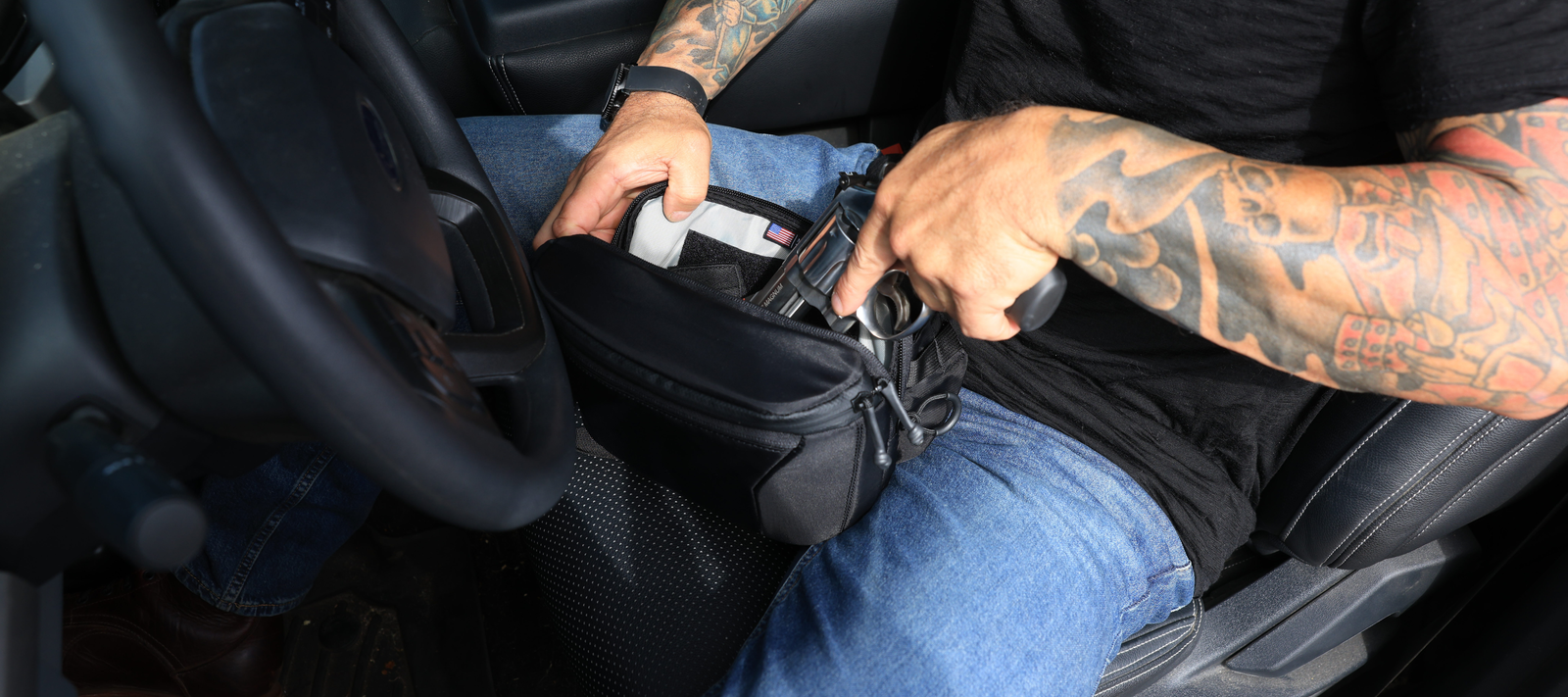

Most GPS trackers are found in the same handful of places: wheel wells, bumpers, the frame underneath, the OBD-II port under the dashboard, and under the seats. A careful search takes about 30 minutes, a flashlight and some patience.
The part most guides skip is what comes after. If you find a tracker, don’t rip it off. Photograph it, write down where it was, and think before you move it. That device can be evidence, and it can also be something you agreed to without remembering.
This guide covers both: how to find a tracking device on your car, and what to do with it once you do.
Why someone would track a car
A car is a predictable thing. It sits in the same driveway at night, the same lot during the day, and follows the same routes in between. A tracker turns that routine into a map.
Some trackers are there for ordinary reasons. Lenders and buy-here-pay-here dealers sometimes install them on financed cars. Employers put them on fleet vehicles. Insurance companies offer plug-in devices that track driving habits. A previous owner may have left one behind.
Others are put there without permission. A hidden GPS tracker can show where you live, where you work and when you’re away from home. That’s the reason to know how to check, calmly and thoroughly.
What does a tracking device look like on a car?
Before you start looking, know what you’re looking for. Car trackers come in three main types.
Battery-powered magnetic trackers
These are the most common hidden trackers because they take seconds to place.
-
Small black or gray box, roughly the size of a deck of cards or smaller
-
Often inside a weatherproof case with a strong magnet on one side
-
No wires
-
Usually stuck to flat metal underneath the car or inside the bumper
OBD-II plug-in trackers
These plug straight into the diagnostic port under the dashboard and draw power from the car.
-
Small plastic block plugged into the port, sometimes with a short extension cable
-
May have a small LED light
-
Common for insurance, fleet and dealer tracking, so check whether you installed it or agreed to it
Hardwired trackers
These are spliced into the car’s electrical system, usually behind the dashboard or near the fuse box.
-
Small box with wires running to it
-
Wires that don’t match the factory harness in color or finish
-
Electrical tape, zip ties or splice connectors holding things together
GPS tracker or factory module?
Modern cars are full of electronics, and plenty of them look like small black boxes. Many cars also have a built-in telematics unit for connected services like crash response and remote start. That doesn’t mean someone planted it.
A factory module usually:
-
Is bolted or clipped into a molded mounting point
-
Connects with a clean, keyed plug into the factory wiring harness
-
Has a printed label with a part number or brand
An aftermarket tracker usually:
-
Is held on with magnets, tape or zip ties
-
Sits somewhere that looks improvised
-
Has wiring that’s spliced, taped or a different color from everything around it
If you’re unsure, take a clear photo and ask a dealership service department or a trusted auto electrician. They see factory parts all day.
How to find a tracking device on your car: step by step
Park on level ground in a well-lit spot. Turn the engine off and let it cool. Grab a flashlight, a pair of gloves, a mat or piece of cardboard to lie on, and an inspection mirror if you have one.
-
Check the wheel wells. Shine the light up inside all four. Run your gloved hand along the top of the plastic liner and the metal above it. Magnetic trackers often sit here.
-
Check the front and rear bumpers. Look underneath and feel inside the cavities behind the bumper cover. These hollow spaces are easy to reach and hard to see.
-
Check the underside. Lie on the mat and scan the frame rails and any flat metal surfaces. Look for anything boxy that’s clean when everything around it is dirty, or dirty in a different way.
-
Check the OBD-II port. It’s usually under the dashboard on the driver’s side, near your knees. Anything plugged in that you didn’t put there is worth a closer look.
-
Check under the seats. Slide each seat all the way forward and back. Look along the rails, under the carpet edges and at any wiring that runs under the seats.
-
Check the trunk. Lift the floor panel and look around the spare tire well and behind side panels.
-
Check the dashboard and fuse box area last. Hardwired trackers live here. If you can’t see clearly without taking panels off, leave this part to a professional.
Take your time. A quick glance misses more than it finds.
What to do if you find a tracker on your car
Finding one is a moment to slow down, not speed up.
Don’t remove it yet
Pulling it off feels like the obvious move. It can also destroy useful information, and if the device was installed by a lender or under an agreement you signed, removing it can create a different problem.
Document everything
-
Take photos of the device in place, from close up and from a distance
-
Note exactly where it was, plus the date and time you found it
-
Write down any part numbers, labels or brand names you can see without handling it
Think about who might have put it there
Check your financing paperwork, insurance policy, employer vehicle agreement and any purchase records. Many trackers turn out to have an ordinary explanation.
Get the right help
If you don’t recognize it and it worries you, contact your local police and bring your photos. The rules on removing a tracker, keeping it and using it as evidence vary by state and situation. Check locally before you decide what to do with it.
The neutral option: contain it
If you need the device to stop reporting but don’t want to destroy it, aFaraday bag is the middle ground. A sealed Faraday bag blocks cellular and GPS signals, so a battery-powered tracker inside it can’t send its location. The device itself stays intact, along with whatever it can tell you or an investigator later.
This works best for small magnetic and plug-in units you can detach. A hardwired tracker is a job for a professional.
The rest of your car’s signal footprint
A hidden tracker is the obvious risk. Most of your car’s exposure is quieter and much more routine.
Your key fob talks to the car all the time. That’s what makes keyless entry convenient, and it’s also what relay thieves use to unlock and start cars parked in driveways. AFaraday key fob bag by the front door keeps that signal contained overnight. We break down how that kind of theft works in our article onkeyless car theft.
When you leave the car at the office, in a hotel garage or with a valet, the fob goes in the bag and the problem goes with it.
If you’re buying a used car, add the search above to your inspection checklist. It costs nothing and tells you what you’re driving away with.
And your phone in the cupholder reports location constantly. Drop it in a Faraday sleeve and it goes quiet until you take it out. One note: a Faraday bag cuts wireless connections, but it doesn’t turn off the microphone. The mic is built into the phone and still works inside the bag.
Why it matters
Where you go is personal. Your commute, your kids’ school, your gym, the place you park overnight. Put together, it’s a pretty complete picture of your life.
Checking your car isn’t paranoia. It’s maintenance, the same as checking your tires. And when you know what’s on your car and what your devices are broadcasting, you get to decide who sees your movement and who doesn’t.
That’s the idea behind everything SLNT builds. Our patented Faraday construction started as gear for Special Operations teams. Now it does the same job for people who’d rather keep their routines to themselves.
If you’d like a simple way to control your car’s signals, take a look at ourFaraday bags.