
How to Pack a Faraday Backpack So You Can Still Reach Your Gear
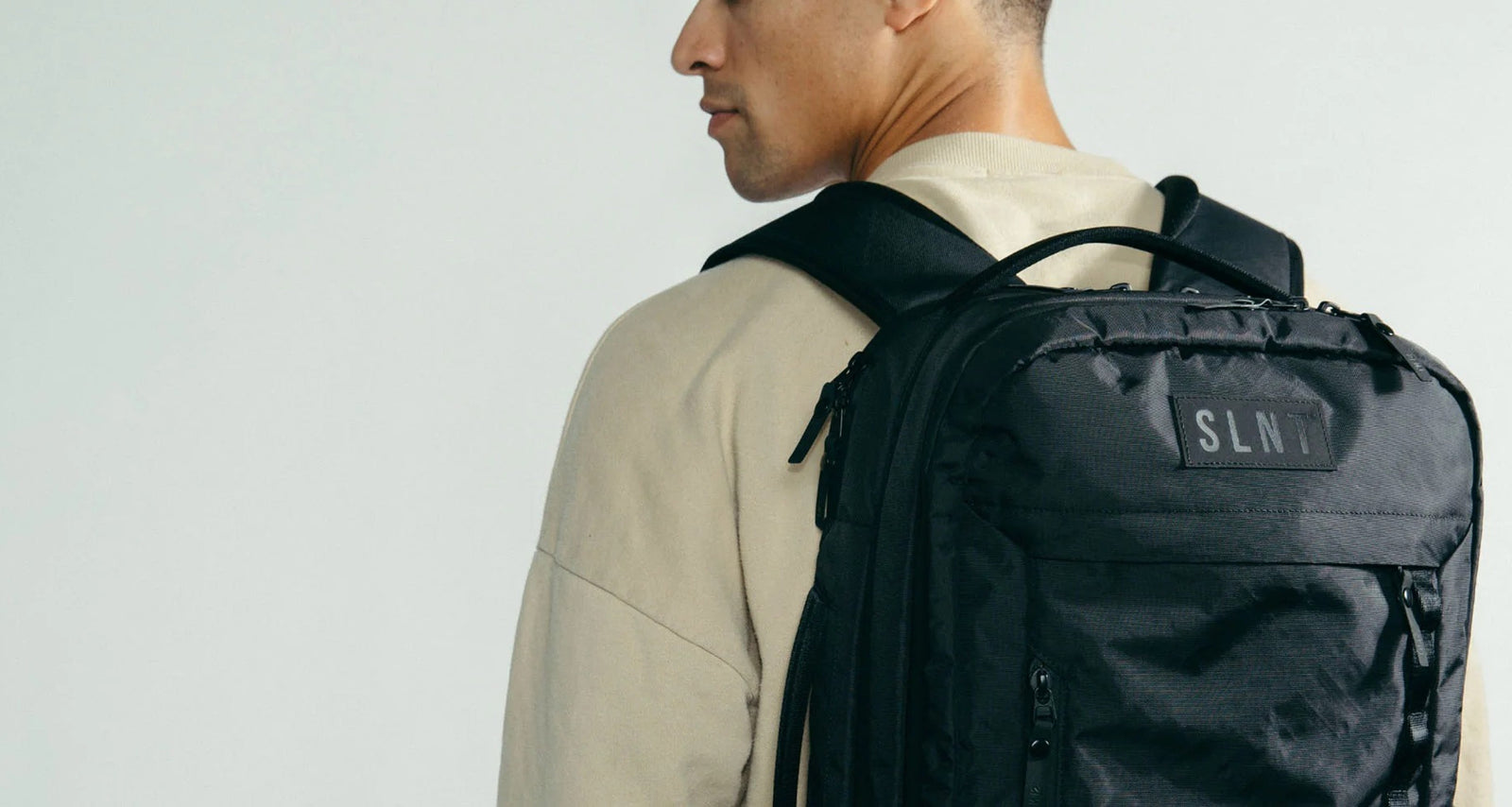

A Faraday bag you keep opening is just a bag.
Shielding only works when the compartment is closed. And a closed compartment is a slow place to work out of. So most people end up in one of two camps. Either they seal everything and get fed up digging for a charger, or they leave it open and get nothing for their trouble.
The fix isn’t a better bag. It’s a better layout. Split your pack into three zones: a sealed zone for the devices you want offline, a quick-access zone for the things you reach for a few times a day, and an outer zone for what you grab every hour. Pack them in the right order and you’ll rarely need to open the sealed part until you actually want to.
Most of this works with any bag you already own.
The three-zone layout
Here’s the short version:
-
Sealed zone: devices you want offline. Phone, backup phone, tablet, hardware wallet, spare key fob.
-
Quick-access zone: things you need a few times a day. Charger, cables, keys, wallet, earbuds, pen.
-
Outer zone: things you touch every hour. Water bottle, snacks, sunglasses, transit card, hand sanitizer.
The rule is simple: if you’ll need it before you’re ready to go back online, it doesn’t belong in the sealed zone.
Zone 1: Sealed
This is the shielded compartment, pouch or insert. It should hold only devices, and only the ones you want disconnected for a stretch of time.
Good candidates:
-
Your phone, when you’re focusing, traveling or done for the day
-
A backup or work phone
-
A tablet or laptop you won’t use until later
-
A hardware wallet
-
A spare key fob
What doesn’t belong here: anything you’ll need on the move. Every item in the sealed zone that you actually need is a reason to open it. Open it often enough and it stops being a habit and starts being a chore.
One practical rule: never run a charging cable into the sealed zone from outside. A cable through the closure breaks the seal. If something needs to charge while sealed, put the power bank in there with it.
Zone 2: Quick access
This is the pocket or pouch you can open without thinking. Front panel, top pocket, or a small organizer pouch near the opening.
Good candidates:
-
Charger and cables
-
Keys
-
Wallet and cards
-
Earbuds and their case
-
Pen, notebook, ID badge
These are the items that used to send you digging into the sealed compartment. Give them their own home and that problem goes away.
Zone 3: Outer
This is everything on the outside: side pockets, straps, the top handle. If you touch it every hour, it goes here.
Good candidates:
-
Water bottle
-
Snacks
-
Sunglasses
-
Transit card or parking pass
-
Umbrella
If you’re unzipping the bag every time you want a sip of water, your outer zone isn’t working hard enough.
Pack in this order
Order matters more than people think. Pack the sealed zone first, because it’s the part you open least.
-
Load and close the sealed zone. Put in the devices you want offline. Close it fully. If it’s a roll-top, roll it all the way.
-
Place it deep and flat. Against the back panel or at the bottom. It should be the hardest thing to reach, not the easiest.
-
Pack the main compartment around it. Clothes, laptop sleeve, documents, lunch.
-
Fill the quick-access zone last. Charger, keys, wallet, earbuds. Check that you can reach each one with the bag on one shoulder.
-
Load the outer zone. Bottle in the side pocket, transit card where you can tap it without stopping.
-
Run a quick mental check. Think through the next few hours. If you’ll need something before you plan to go back online, move it out of the sealed zone now.
That last step saves you from unsealing the bag at a security desk, a job site or the front of a line, which is where the habit usually breaks.
Backpack organizer inserts: what to look for
A backpack organizer insert turns an open sack into a set of zones. Any decent one helps. Look for:
-
Fit. It should sit snugly in the main compartment without sliding around.
-
Clear zones. Separate sleeves or pockets so similar items live together.
-
Easy removal. Lift it out and drop it into another bag when you switch packs.
-
A closure that matches the job. Zippers and open pockets are fine for quick-access items. A shielded insert needs a closure that seals fully.
If you’re organizing a pack for the first time, start with what you already have: a couple of small pouches and a rule about what goes where. Buy an insert when you know which zones you actually use.
Duffle bag and gym bag organizers
Duffle and gym bags have a different problem. They’re one big cavern, and everything ends up at the bottom.
The organization fixes are the same with or without shielding:
-
Split wet from dry. A separate pouch or dry bag organizer for wet towels, swimwear or sweaty clothes keeps the rest of the bag clean.
-
Give shoes their own space. An end compartment or a shoe bag keeps dirt off everything else.
-
Use packing cubes or pouches. One for clothes, one for toiletries, one for small gear. You find things by grabbing the right pouch, not by digging.
-
Put valuables on top. Keys, wallet and phone go in a small pouch that sits on top or clips inside, so you’re not emptying the bag to find them.
For a gym bag, think about how you actually use it. You pack it at home, drop it in a locker, then come back to it sweaty and in a hurry. Everything should be grab-and-go.
What the shielded version adds
A shielded pouch inside a duffle or gym bag gives you one more option. While you train, swim or travel, your phone and key fob can sit sealed in the locker or the car. Nothing connects, nothing buzzes, and you get an hour that’s actually yours.
Same rule as the backpack: keep the shielded pouch for devices you want offline. Everything you’ll reach for stays outside it.
A few habits that make it stick
-
Pick one sealed moment a day. The commute, the gym session or the evening. A habit with a clear trigger lasts.
-
Don’t overfill the sealed zone. A compartment stuffed to the edge is hard to close fully.
-
Check the closure, not just the zipper. A closure that looks shut but isn’t fully sealed won’t do its job.
-
Test it now and then. Seal your phone and call it. If it doesn’t ring, it’s sealed. If you want to understand why that works, we cover it inDo Faraday Bags Work? These 4 Tests Reveal the Truth.
Where the layout earns its keep
On the commute, your phone stays reachable in the quick-access pocket on the way in. Once you’re at your desk with your work laptop open, it goes into the sealed zone and you get a few hours without the buzz.
On a work trip, the laptop and backup phone ride sealed through the day. Charger, passport wallet and earbuds stay in reach. You only open the sealed zone once you’re settled.
On a job site, your gear stays organized and your devices stay offline until the break, without you emptying the bag on a tailgate.
At the gym, the key fob and phone go into the sealed pouch, the pouch goes in the locker, and you leave both alone until you’re done.
Why it matters
Privacy gear only helps if you use it. And you’ll only use it if it fits the way you already move through a day.
A good layout does that quietly. The things you need stay at hand. The devices you want offline stay offline. You stop thinking about the bag and get on with the day.
If you want a shielded zone that drops into the bag you already carry, SLNT makes removable Faraday inserts for ourwaterproof backpack andwaterproof duffle, built on the same patented construction as the rest of our gear. Or browse the fullbackpack collection to see how the zones are built in.