Location Tracking 24/7: How Accurate It Is and Why It Matters

Your phone knows where you slept last night. It knows the route you took to work, which coffee shop you ducked into, and how long you sat in the parking lot before going inside. It knows when you came home, who you visited on the way, and whether you slept alone.
It never stops watching. And it shares.
This is not paranoia. It is the default state of every connected device in your pocket, your bag, and your car.
How Phone Location Tracking Actually Works
Most people think GPS is the whole story. It is not.
Modern phone location tracking pulls from a stack of overlapping signals, each one filling the gaps the others leave behind. Turn GPS off and the phone keeps tracking. Switch to airplane mode and parts of it still leak.
Here is what feeds your location into the system right now:
-
GPS satellites. Accurate to within 4.9 meters under open sky.
-
Cellular towers. Triangulation places you within 50 to 300 meters in cities.
-
WiFi access points. Indoor accuracy tightens to 5 to 15 meters, sometimes closer.
-
Bluetooth beacons. Used in stores, airports, and stadiums. Accurate within 1 to 3 meters.
-
Ultra Wideband (UWB). Centimeter level precision, now standard in newer iPhones and Androids.
-
Accelerometer and gyroscope. Track movement patterns even with the radios off.
Stack those together and your location is rarely off by more than a few meters. Often much less.
Who Actually Sees This Data
Your carrier sees it. Your operating system sees it. Every app with location permission sees it, and many that you never granted access still infer it from other signals.
Then it gets sold.
Location data brokers buy aggregated movement from app developers, ad networks, and SDKs embedded in free apps. They package it, resell it, and feed it to advertisers, insurers, employers, debt collectors, and in some cases, government agencies. The Federal Trade Commission has taken action against multiple brokers for selling sensitive location data without meaningful consent (FTC v. X-Mode Social / Outlogic, 2024).
So the question is not whether you get tracked. It is whether you decide when you are not.
Airplane Mode Is Not the Answer
Toggle airplane mode and the phone still talks. Bluetooth often stays on. WiFi scanning keeps running in the background. Apple's Find My network uses ultra wideband and Bluetooth chirps to ping nearby devices even when the phone is powered down.
Software switches are suggestions. The phone decides what to obey.
If you want certainty, you have to cut the signal at the hardware level. That is what a Faraday bag does.
The Physical Solution: Faraday Gear
A Faraday bag is a sealed enclosure lined with conductive fabric that blocks every wireless signal going in or out of your device. No GPS. No cellular. No WiFi. No Bluetooth. No UWB. No RFID skimming.
Drop your phone inside and it goes dark. Instantly. Verifiably.
SLNT builds patented, independently tested Faraday gear with origins in Special Operations. The same enclosure logic the military uses to protect classified hardware in the field sits inside the consumer line.
One note before we keep going. A Faraday bag does not stop the microphone, because the microphone is built into the device itself. To silence the mic, the device has to stay powered down, or inside a sealed Faraday enclosure where any recording cannot transmit out.
Where Faraday Gear Fits in Real Life
You do not have to live off grid to use this. The right gear becomes invisible once it is part of your routine.
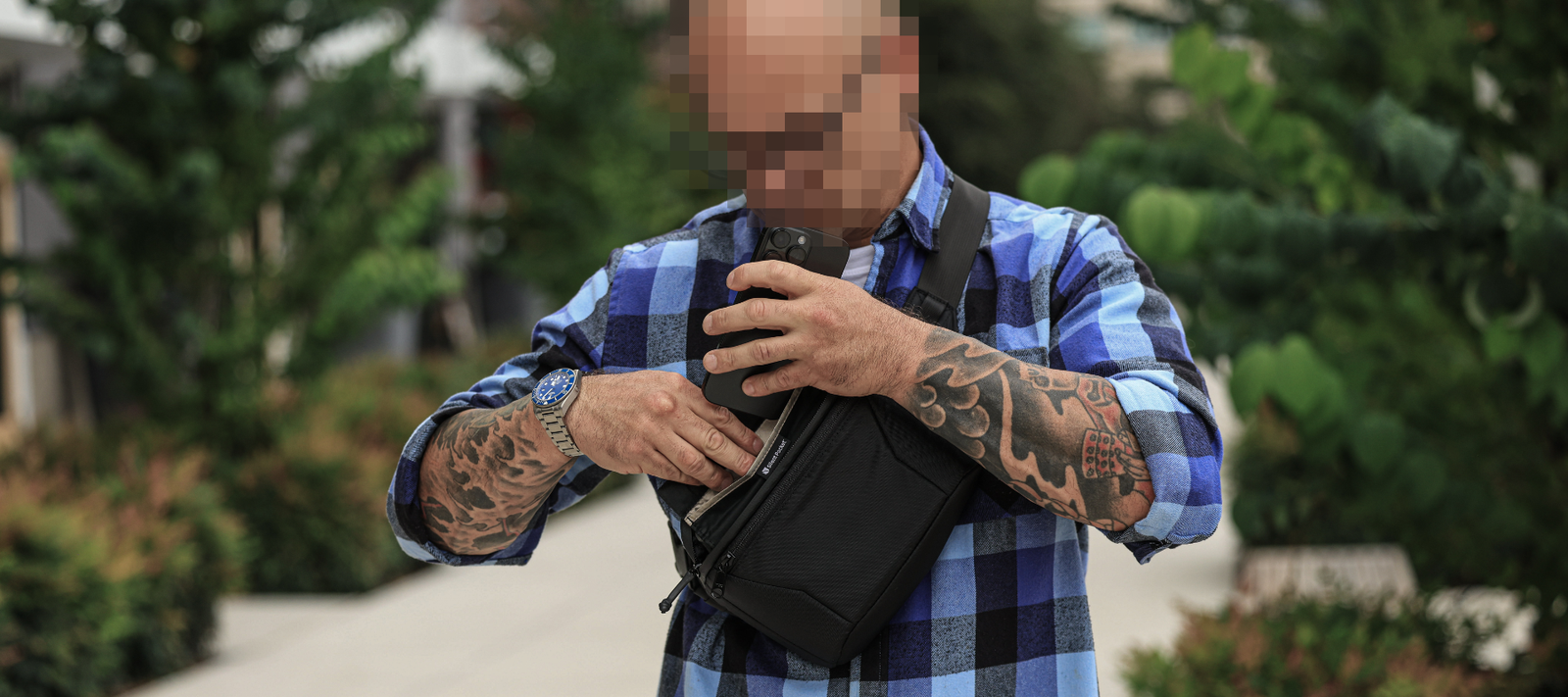
Daily commute. Slip your phone into aFaraday phone sleeve on the train or in the rideshare. Your location stops broadcasting. You stop being a data point.
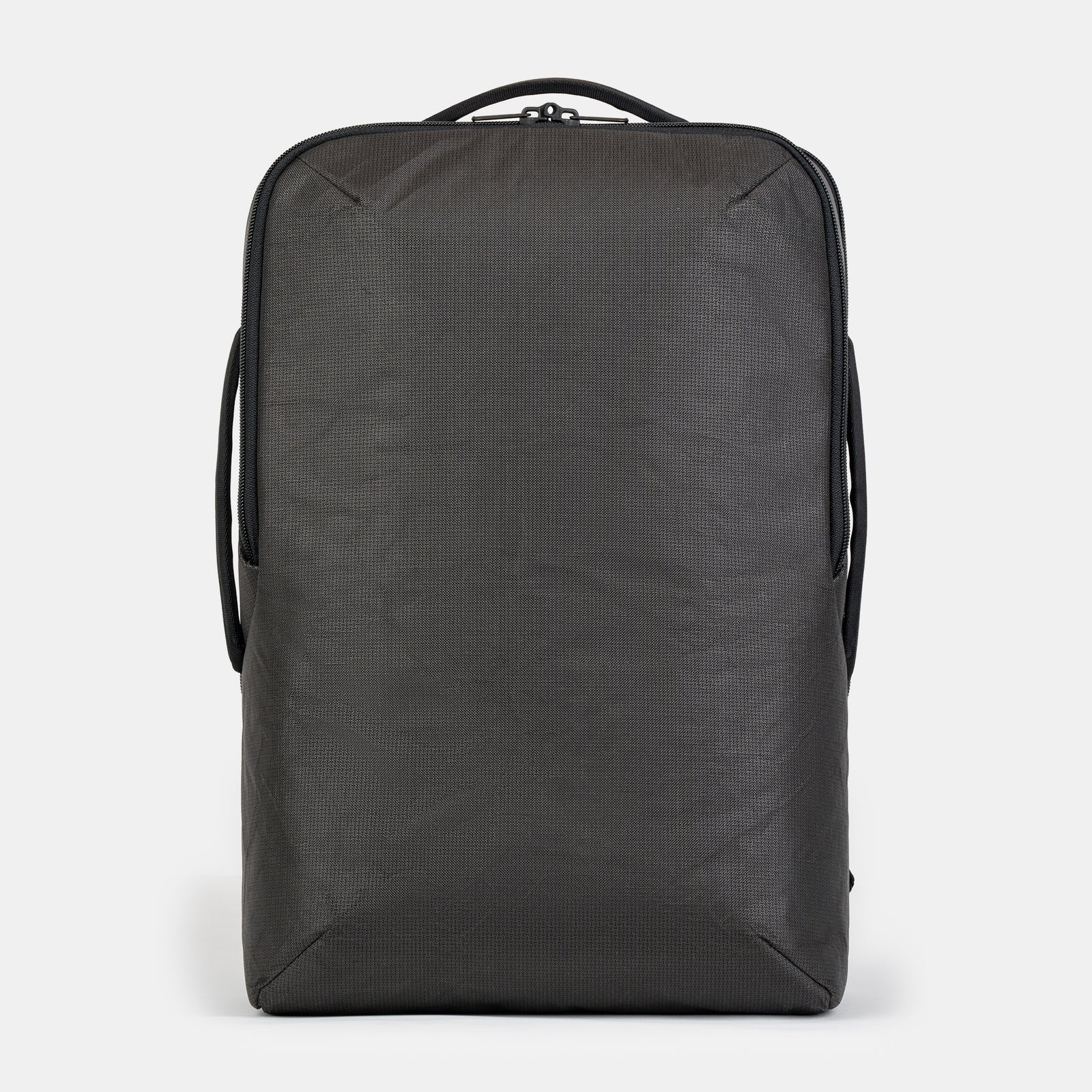
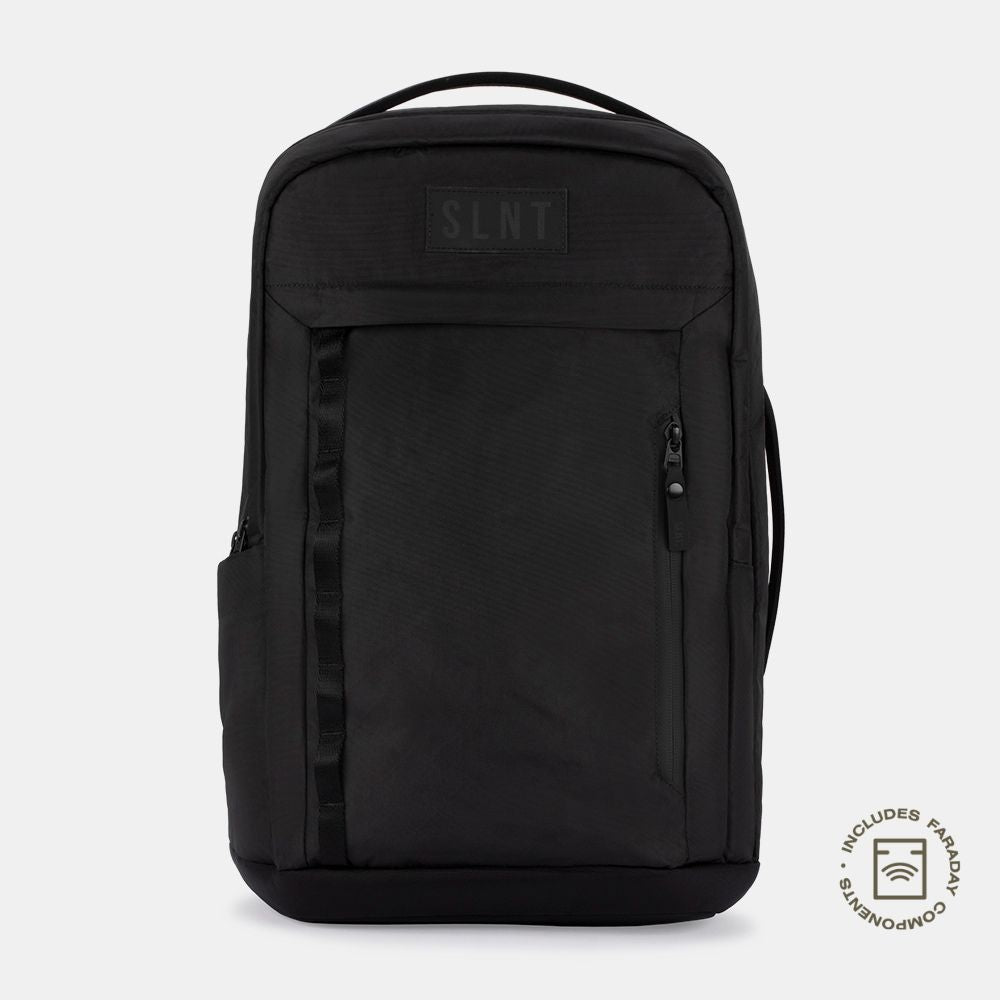
Travel and border crossings. Drop devices into aFaraday backpack before you reach the airport. No background pinging. No carrier handoffs logged. No Bluetooth beacons recording your path through the terminal.
Sensitive meetings. Sales calls. Investor briefings. Legal conversations. Every phone at the table goes into a sealed sleeve. The room stays quiet.
Vehicle keys. Modern key fobs broadcast constantly. Relay attacks copy that signal from feet away and unlock the car in seconds. AFaraday wallet shuts the fob up the moment you walk inside.
Family time. Phones in the bag at dinner. Phones in the bag during the kids' bedtime routine. No notifications. No accidental tracking. No screen pull.
Crypto custody. Cold wallets, seed phrase backups, and hardware keys sit inside aFaraday bag when not in use. Air gapped, signal sealed, hands off.
Why Tracking Accuracy Should Matter to You
Accuracy is what turns location data from a curiosity into a profile.
Three meters of resolution tells someone which room of your house you are in. Which pew you sit in. Which booth at the bar. Whether you stopped at urgent care, the union hall, or the protest. Whether you slept at home or somewhere else.
Aggregate that across weeks and you have a map of someone's life more detailed than what their own spouse could draw.
This is not abstract. Location records have been used to identify journalists' sources, expose people seeking medical care across state lines, deanonymize military personnel on overseas bases, and build advertising profiles tied directly to your home address.
Control over location is control over context. Lose one, you lose the other.
Reclaim the Off Switch
You bought the phone. You should decide when it talks.
That is the entire premise behind SLNT. No paranoia. No discount language. Just the off switch the phone never gave you.
Explore the fullcollection of SLNT Faraday gear and pick the form factor that fits your day. Sleeve, sling, backpack, wallet. Same physics. Same protection.
Frequently Asked Questions
How accurate is phone location tracking? In open environments, GPS pinpoints a phone within 4.9 meters. Indoors, WiFi and Bluetooth tracking can narrow that to 1 to 3 meters. With Ultra Wideband, accuracy drops to the centimeter range.
Can my phone be tracked with location services turned off? Yes. Cellular triangulation, WiFi scanning, Bluetooth beacons, and built in motion sensors continue to feed location data even when GPS is disabled.
Does airplane mode stop location tracking? No. Airplane mode disables some radios but Bluetooth and WiFi scanning often remain active, and the device still logs movement through onboard sensors.
Does a Faraday bag block all tracking signals? A sealed, independently tested Faraday bag blocks cellular, WiFi, Bluetooth, GPS, UWB, RFID, and NFC. It does not stop the microphone, because the microphone is internal hardware on the device.
Is location tracking legal? In most jurisdictions, yes, when consent is buried in app permissions or terms of service. Laws like CCPA, GDPR, and newer state level privacy acts add some protection, but enforcement lags well behind the practice.