
Kids, Phones, and Mental Health: What Parents Need to Know Right Now


Your kid hasn't put the phone down in three hours. They snapped at dinner. They can't sleep. They can barely hold eye contact.
That's not a phase. That's the phone.
What's Actually Going On
Childhood used to happen outside the phone. Now it happens inside it.
Teen anxiety, depression, and sleep loss have climbed in lockstep with smartphone adoption. The U.S. Surgeon General has issued a formal advisory on themental health impact of social media on youth.
The phone isn't just a distraction. It's an always-on broadcast tower. It pings. It tracks. It interrupts. It rewards every glance with a dopamine hit and punishes every pause with anxiety.
For kids whose brains are still wiring, this isn't a habit. It's a hijack.
The cost shows up in the stuff parents see every day:
-
Trouble falling asleep
-
Snapping over small things
-
Slipping grades
-
Lost interest in offline things they used to love
-
Constant phantom-buzz checking
You're not imagining it. You're watching it happen in real time.
Why Apps and Settings Don't Hold
You've tried the apps. The screen time limits. The parental controls.
They work until your kid finds the workaround. Which is usually within a week.
The reason is simple. Software fights software. The algorithms designed to keep your kid scrolling are built by full teams of engineers whose entire job is making the phone harder to put down.
You're not going to outparent that with a setting.
The Fix That Doesn't Get Hacked
The fix that holds is physical.
AFaraday phone sleeve blocks every signal in and out of the device. Cellular. WiFi. Bluetooth. GPS. The phone goes dark the moment it slides inside. No notifications. No background sync. No "just checking one thing." The phone is still there. It just can't reach them. And they can't reach it.
This is hardware. Not software. No setting to override. No app to uninstall. No clever workaround. If you want a deeper look at the physics behind it, here'swhat a Faraday bag actually is and how it works.
SLNT's gear is patented, independently tested, and originally built for Special Operations. Same shielding now protects family bags and bedrooms.
One thing to be clear on: Faraday gear does not block the microphone, because the mic is built into the device itself. Signal blocking stops the device from transmitting. It doesn't change what the device is.
Where This Fits Into Daily Life
The dinner table. Drop the phone in a sleeve when everyone sits down. It doesn't ring. It doesn't buzz. It doesn't pull anyone's attention. The kids see you do it first. That matters more than any rule.
The bedroom at night. A phone in a teenager's room is the single biggest sleep killer of their generation. AFaraday phone sleeve on the nightstand gives them the comfort of having it nearby without the 2 a.m. group chat. Mornings get easier. So do moods.
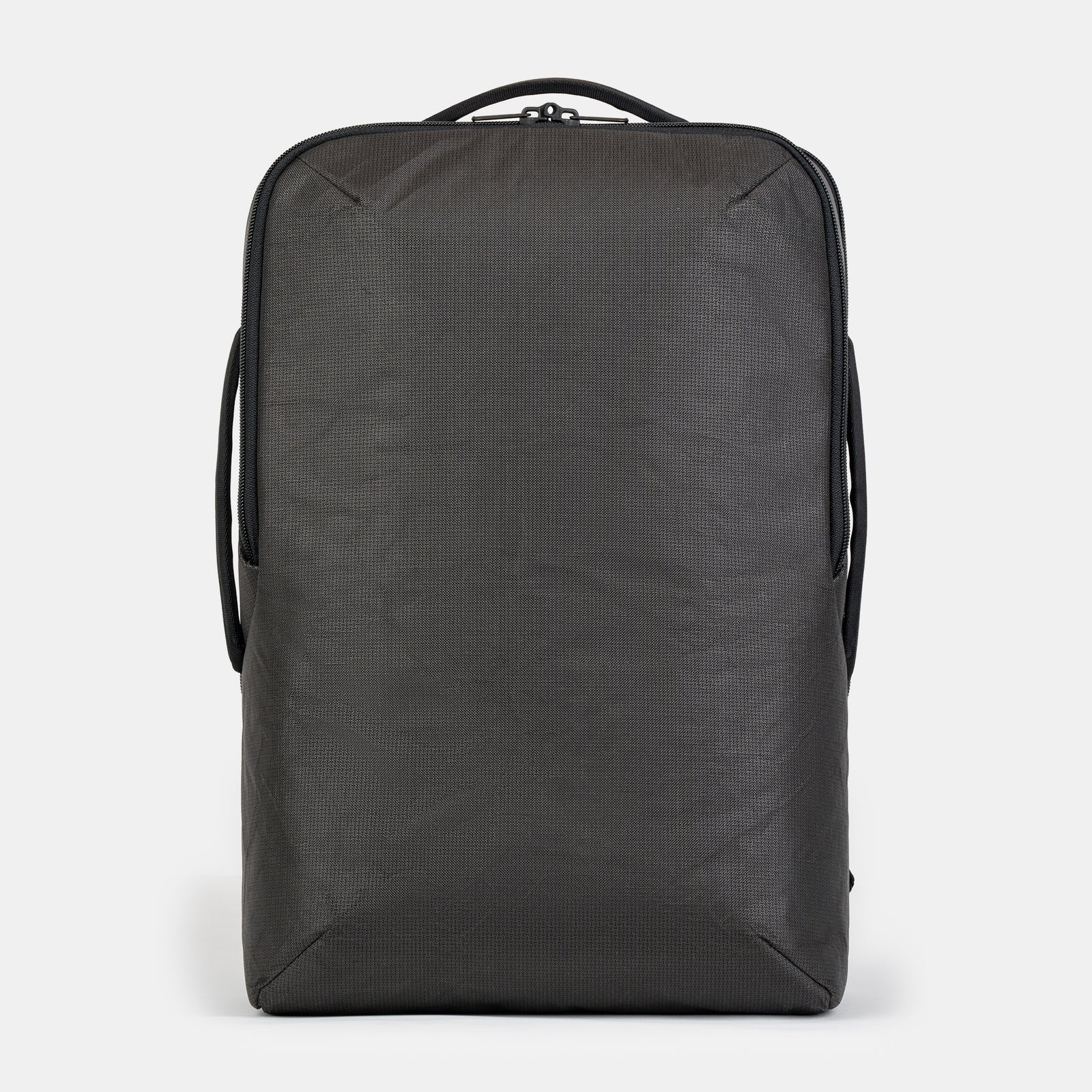
The school bag. Most schools want phones off and silent during class. "Off" still pings. AFaraday-lined backpack handles it without the daily fight, and it protects the rest of the bag's contents from RFID skimming on the side.
Homework hours. Notifications shred focus. Research on context-switching is brutal. Every interruption costs real minutes of attention. Sleeve goes on. Homework actually gets done in one sitting.
Family weekends. Trips fall apart fast when everyone's heads are down. Sleeves in. Heads up. The kids will complain for ten minutes, then forget the phone exists.
Your own phone. Kids copy what they see, not what they're told. If you're scrolling through dinner, no rule lands. Put your own phone in first.
Why It Matters
This isn't about taking phones away. It's about controlling when phones get access.
A kid with attention is a kid who can read a book. Sleep through the night. Sit with a feeling instead of swiping past it. Build a friendship that isn't measured in streaks.
Privacy plays in here too. Apps vacuum up minors' data: location, contacts, behavior patterns. They harvest it from the moment a kid signs up. A Faraday sleeve cuts that pipeline cold whenever the phone goes in.
EMF exposure is a secondary point, not the lead. A phone six inches from a teenager's head all night is broadcasting nonstop. Putting it in a Faraday sleeve reduces that exposure during the hours they're most vulnerable: sleep. Take it for what it is. A reduction, not a cure.
The headline is simpler than all of that. You're giving your kid back their attention. Their sleep. Their space to be bored. That's where childhood actually happens.
Quick Parent Playbook
How to break a kid's phone habit without the war:
-
Set hard phone-free windows for meals, bedtime, and homework
-
Use a Faraday sleeve to physically enforce them
-
Model it yourself. Your phone goes in first
-
Keep phones out of bedrooms overnight
-
Replace the screen time with one offline anchor activity a day
The Bottom Line
You can't outparent an algorithm built by a thousand engineers to keep your kid scrolling. But you can outsmart it.
Pull the signal. The pull goes with it.
Your kid doesn't need more rules. They need a real off switch.
Explore the full lineup ofSLNT Faraday phone sleeves and signal-blocking gear built to give families their attention back.
FAQ Section
Do phones really affect kids' mental health? Yes. Heavy smartphone and social media use in kids and teens is linked to higher rates of anxiety, depression, and sleep problems. The U.S. Surgeon General has issued a formal advisory on the issue.
What's the best way to limit screen time for kids? The most reliable method is physical, not digital. App-based controls get bypassed. A Faraday sleeve blocks all signals in and out of the device, which means the phone can't notify, sync, or be used until it's removed from the sleeve.
Does a Faraday sleeve damage the phone? No. The phone functions normally the moment it leaves the sleeve. No setting changes. No data loss. The sleeve simply blocks wireless signals while the device is inside.
Will a Faraday sleeve stop the microphone from recording? No. The microphone is built into the device and is unaffected by signal blocking. A Faraday sleeve stops the device from transmitting wirelessly. It does not change what the device hardware can capture internally.
Where should kids keep their phones at night? Out of the bedroom is best. If that's not workable, a Faraday sleeve on a nightstand gives kids the comfort of the phone nearby without notifications or signal exposure during sleep.
Featured products

Sold out
COMSEC Faraday Backpack
Sold Out