
How to Prepare for a Blackout: Protecting Electronics in a Grid-Down Event

The first myth about a blackout is that it fries your electronics.
It does not. The lights just go out.
Here is the direct answer: a normal blackout is a loss of power, not an attack on your devices. Your phone, radio, and laptop are fine. Preparing well is mostly about keeping power, light, and a way to communicate ready before the grid goes down. A Faraday bag plays one narrow but useful part in that: it keeps a backup device private and battery-ready, so it works when you reach for it.
Blackouts are also more common than most people plan for. Storms, heat waves, wildfires, and planned utility shutoffs all cut power on ordinary days. This is practical readiness, not doomsday. Let's keep it that way.
What a Blackout Actually Does, and Doesn't
Clear thinking beats panic, so start with the facts.
A power outage means the electricity stops flowing. Your lights, fridge, WiFi router, and chargers go quiet. Your devices themselves are not harmed. They just lose their power source and, often, their signal, since cell towers can go down too.
That is different from rarer events like a strong solar storm or an EMP, which involve electromagnetic energy rather than a simple power cut. Those are their own topic, and we cover the honest version of them separately. For the everyday blackout most people will actually face, no shielding is needed to keep a device intact. It needs power and a plan.
How to Prepare for a Blackout: The Practical Checklist
Most of good blackout prep has nothing to do with us, and we would rather tell you the truth than sell you something. Start here:
-
Keep power banks charged and store a couple ready to go.
-
Have real light: flashlights and headlamps, plus spare batteries. Skip relying on candles.
-
Store water and non-perishable food for a few days.
-
Keep a backup way to get information, like a battery or hand-crank radio.
-
Charge your devices early when a storm or shutoff is forecast.
-
Know your plan: where the family meets, who to call, and how to reach help.
The official U.S. preparedness resource atReady.gov has a full, no-nonsense checklist worth reading. None of it requires fear. It just requires doing it before you need it.
Where a Faraday Bag Fits
Once the basics are covered, here is the honest, specific role our gear plays.
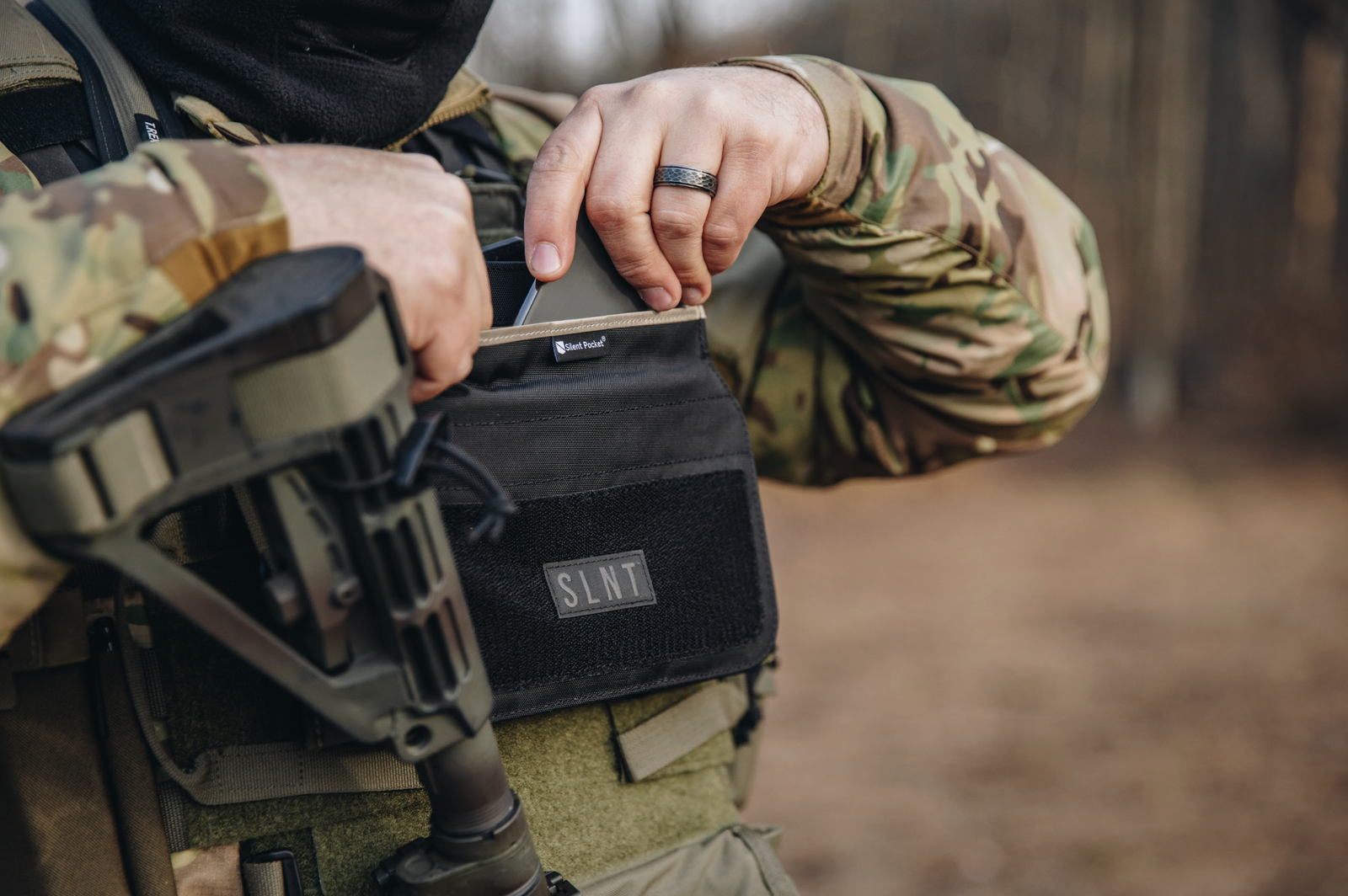
A device that is powered on but out of signal range will burn through its battery hunting for a network that is not there. During an outage, that is exactly what happens. Sealing a backup phone or radio in a Faraday bag stops it from searching, so it holds its charge and stays ready for when service returns. It also keeps that backup device off the grid entirely, private and protected from tracking or remote access while it waits.
If your concern reaches further, to a solar storm or EMP that could stress the grid, a sealed and tested Faraday enclosure can shield the electronics placed inside it. That is a real physical property, not a doomsday promise, and we explain exactly what it can and cannot do in our separate guide on Faraday bags and EMPs. Whether you want that layer is a calm, personal call.
SLNT gear is protected by patented Silent Pocket technology and independently tested against military shielding standards, the same shielding trusted by military units and hundreds of thousands of everyday users.
One straight fact, because precision matters. A Faraday bag stops signals from leaving a device. It does not turn off the microphone, since the mic is built into the device. The phone can still hear. Nothing it hears can transmit out of the bag.
It Earns Its Place Long Before the Outage
The best prep gear is the kind you already use on a normal Tuesday, not something that sits in a closet waiting for a bad day.
AFaraday bag that stores your backup phone during an outage is the same bag that takes your daily phone off the grid when you want quiet. AFaraday sleeve that protects a spare device also blocks the signal relay thieves use on your car key, and shields the cards and passport in your bag when you travel.
At home, dropping your phone into a bag at night cuts the late-night pings. On the road, it keeps your devices private through airports and unfamiliar places. The point is that this is everyday gear that also happens to be ready when the power is not.
Why It Matters
Readiness and paranoia are not the same thing.
Paranoia stockpiles fear and hopes it guessed the right disaster. Readiness is quiet, practical control over the ordinary things that actually go wrong, like the power going out during a summer storm. You keep the lights, the power, and a private, charged backup device ready, and then you stop worrying about it.
That calm is the real goal. Not bracing for the end of the world, but knowing a normal bad night will not catch you flat-footed.
Be Ready, Not Rattled
A blackout is an inconvenience you can plan for, not a catastrophe you need to fear. Cover the basics, keep a backup device charged and protected, and you have handled it.
When you want a device truly off the grid, private and ready, a Faraday bag makes it so. No signal in, no signal out, no guesswork.
If you want gear that pulls its weight every day and stays ready for the days that go sideways, take a look at how SLNT products fit into ordinary life. No urgency, no pitch. Just control.