
Social Media and Teens: What the Research Actually Says
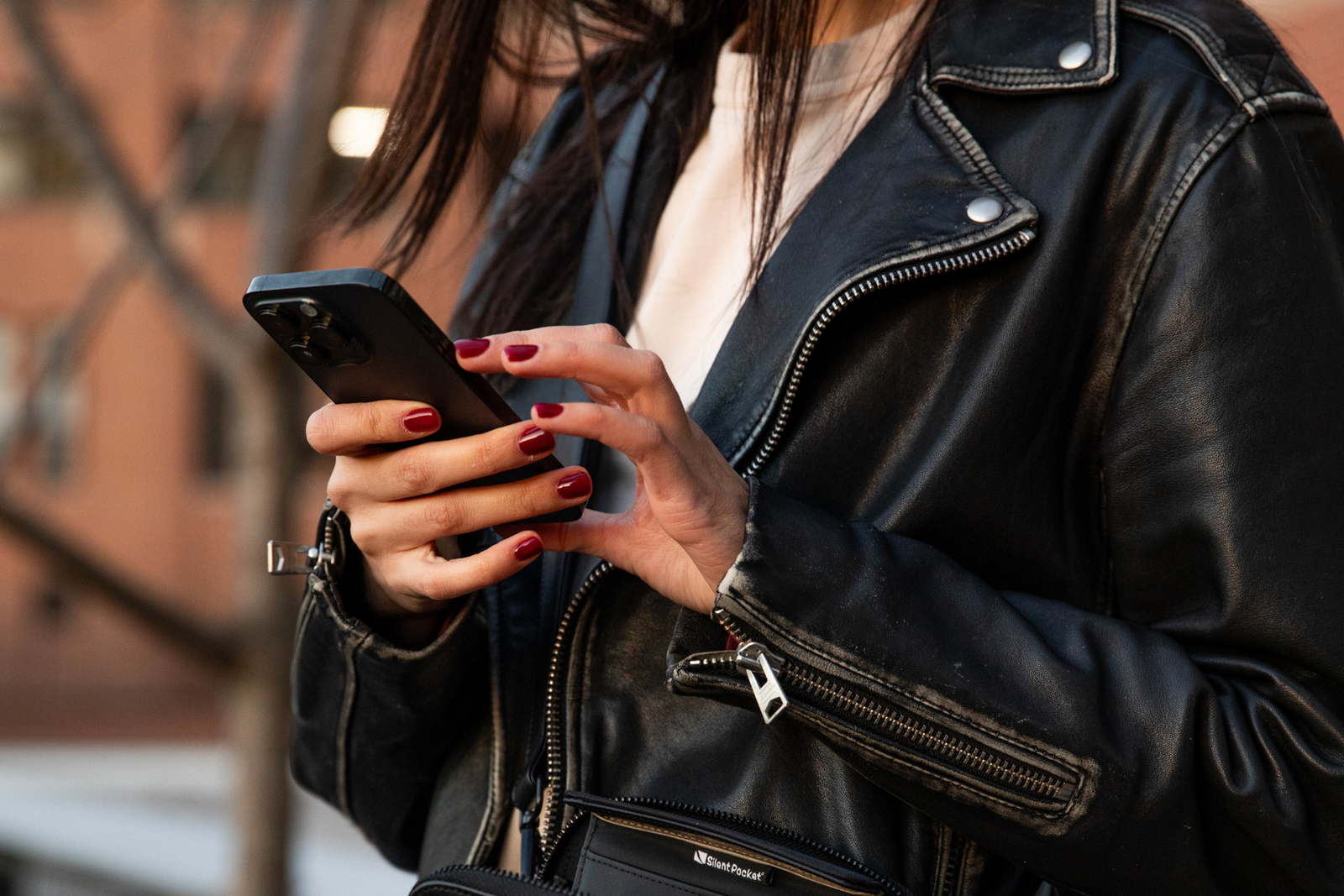

If someone told you a product was making your kid anxious, disrupting their sleep, and damaging their self-worth, you would take it away? The problem is that the product is also how they talk to their friends, follow their interests, and feel connected to the world.
That is not an accident. That is the design.
What the numbers say
The U.S. Surgeon General did not write an op-ed. He issued a formal health advisory.
Kids spending more than 3 hours a day on social media face double the risk of depression and anxiety. The average teen spends 3.5 hours per day on social platforms alone. The WHO studied nearly 280,000 young people across 44 countries and found one in ten showing signs of problematic use, a number that jumped 57% in four years.
This is the consensus now, not a fringe position.
The kids already know
Pew Research published a report in April 2025. 48% of teens said social media has a mostly negative effect on people their age. In 2022 that number was 32%. It has not crept up. It has jumped.
45% say they spend too much time on it. 44% have already tried to cut back. Nearly one in three is on a screen past midnight. A 2025 CDC study confirmed that teens with higher non-schoolwork screen time were significantly more likely to report depression, anxiety, and irregular sleep.
They see the problem. They are just caught in the same loop as everyone else.
The impact is not equal
Teen girls are carrying more of this. Girls are nearly twice as likely as boys to say social media hurts their mental health. Half say it damages their sleep. One in four says it negatively affects her mental health overall.
That is not a coincidence. When the entire platform is built around how many people liked your photo and the feed is nothing but curated versions of other people's best moments, you do not need a research study to understand what that does to a teenager still figuring out who they are.
The gap that is hard to sit with
Nearly half of teens believe social media is bad for people their age. Only 14% say it has personally affected them.
We see problems in others that we underestimate in ourselves. The teens struggling most are often the last to connect what they are feeling to where it is coming from. Meanwhile 55% of parents say they are extremely concerned about teen mental health, and 44% point to social media as the single biggest factor. Higher than bullying. Higher than academic pressure.
Why the brain matters
These platforms run on dopamine and variable rewards. In adults, the prefrontal cortex, the part responsible for impulse control and long-term thinking, is at least present in the room. In teenagers it is still being built. The reward system is fully online. The brakes are not.
At 14, peer approval is not a preference. It is survival. Every like is feedback. Every notification is the social world weighing in on whether you belong.
This is a product optimized for maximum engagement, handed to the most neurologically susceptible audience on the planet.
What actually helps
Physical separation works. Not on silent or face down. When the phone is physically unreachable, the pull goes with it.
Willpower is not a system. These apps have entire engineering teams whose job is to make sure your kid cannot put the phone down. That is not a fair fight.
A Faraday bag changes that. Device in, close the bag, and no signal in and no signal out. No notifications, no algorithms, nothing getting through. Phone goes in before dinner and the family gets the evening back without anyone having to be the villain.
It is not about taking the phone. It is about deciding when you are connected. That decision belongs to you and your teen, and it teaches them something the algorithm never will: how to live with technology instead of for it.
The straight version
Most kids already know something is off. They just have not been given a simple way to do anything about it.
There is a difference between using a tool and being used by one. That conversation is worth having
SLNT Faraday bags block all signal. Close the bag and the phone disappears from every network. Some families are using them to take their evenings back.