Privacy protection for remote workers

Working remotely without privacy protection is like leaving your front door unlocked because you’re “just home all day.”
Nothing feels wrong until it is.
Your laptop is open. Your phone is nearby. Your router hums. Work gets done.
And in the background, your devices keep broadcasting, location, identifiers, metadata, long after you’ve logged off Slack.
The Problem: Remote Work Is Always On
Remote work doesn’t remove risk. It redistributes it.
When your office becomes your kitchen table, your digital perimeter disappears. Phones, laptops, tablets, earbuds, and key fobs constantly emit wireless signals: cellular, WiFi, Bluetooth, GPS, RFID, NFC. Those signals create exposure.
This is how modern devices function.
That exposure enables:
-
Location tracking through cellular and GPS signals
-
Data harvesting through persistent WiFi and Bluetooth scanning
-
Credential and device profiling from background transmissions
-
Increased attack surface on shared home networks
Software tools help manage permissions, but they don’t stop transmission. As long as a device is broadcasting, data can move.
That’s the gap most remote workers miss.
The Solution: Physical Signal Control
Privacy protection for remote workers starts at the hardware level.
Faraday protection works by physically blocking wireless signals from entering or leaving a device. No cellular. No WiFi. No Bluetooth. No GPS. No RFID or NFC. Transmission stops because the signal path is physically sealed.
This is not a setting.
It’s not an app.
It’s enforced silence.
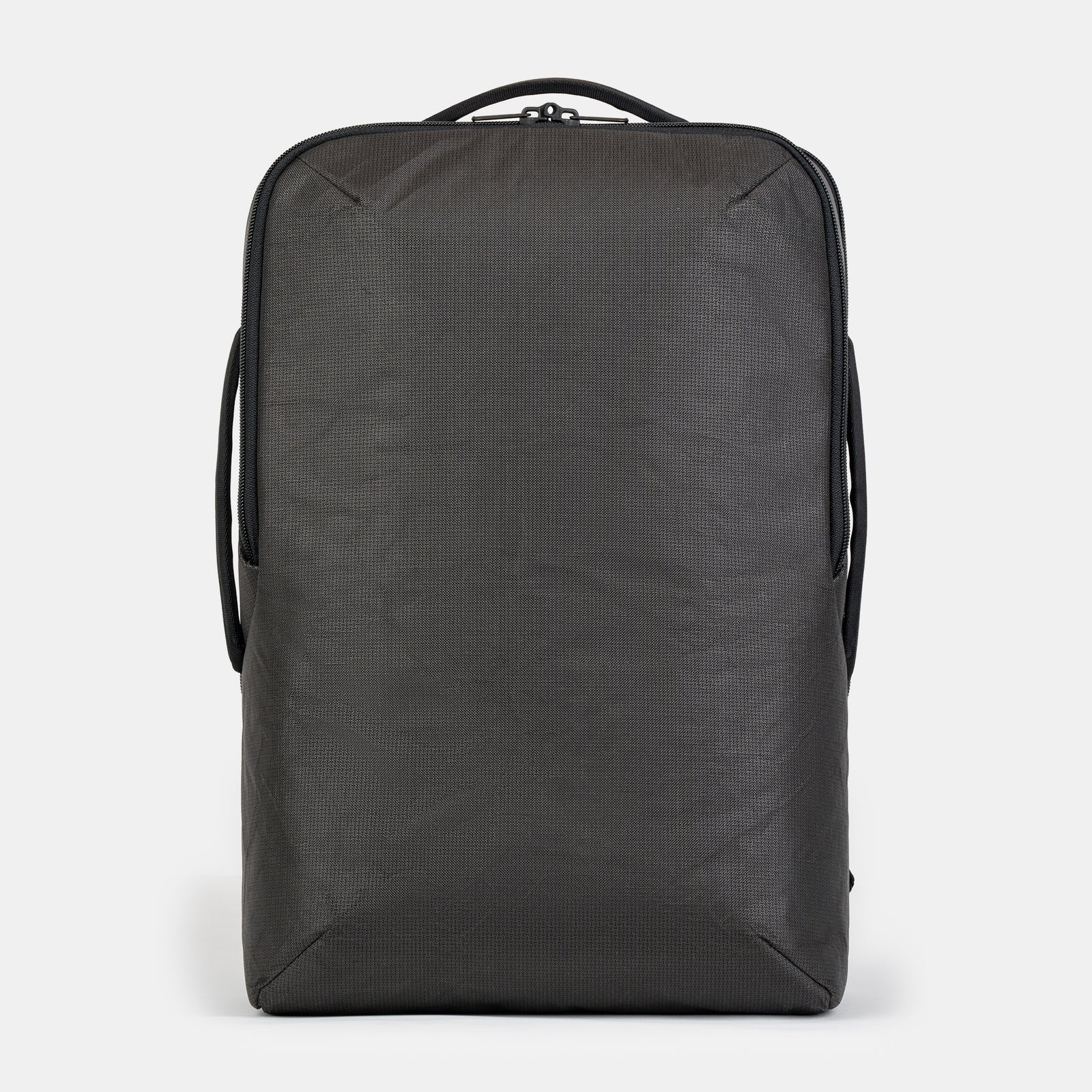
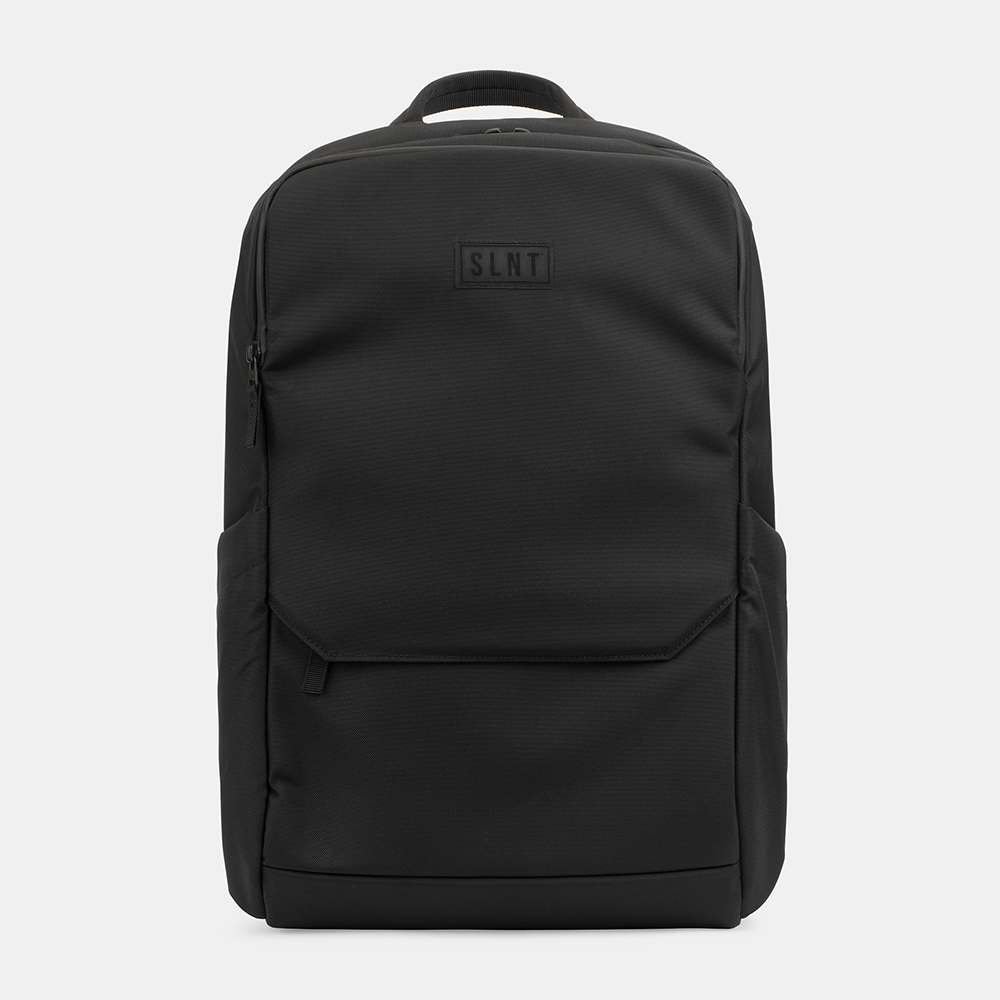
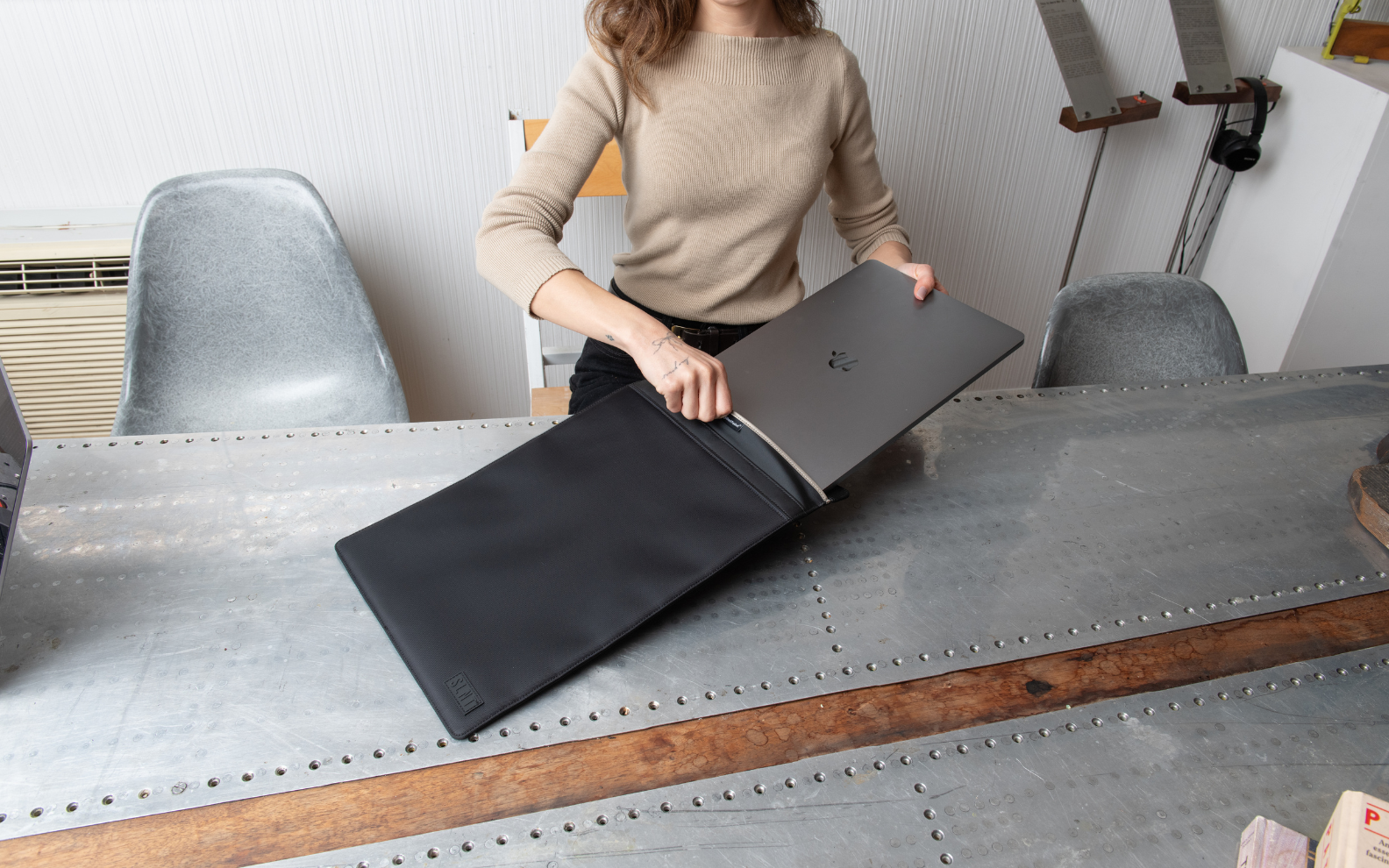
SLNT Faraday bags, sleeves, and backpacks use patented shielding technology that’s independently tested and originally built for military signal control. The same principle now fits into everyday remote work routines.
How This Fits Into a Real Remote Work Day
Remote professionals don’t need dramatic changes. Just better boundaries.
When your work phone goes into a Faraday sleeveafter hours, it stops broadcasting location and background data while you disconnect.
When a laptop is stored in a Faraday backpack between meetings or travel days, its wireless signals stay contained.
When personal devices sit shielded during focused work blocks, Bluetooth beacons and passive tracking go quiet.
When unused tablets or backup phones live in Faraday storage, they stop leaking metadata on your home network.
When you commute between coworking spaces, cafés, or client sites, Faraday protection travels with you, no settings to remember, nothing to toggle.
This isn’t about hiding. It’s about choosing when your devices are allowed to speak.
What Faraday Protection Does
Faraday protection physically blocks wireless signals by enclosing devices in a shielded environment that prevents transmission.
-
Blocks cellular, WiFi, Bluetooth, GPS, RFID, and NFC
-
Stops tracking, skimming, and background data transmission
-
Works at the hardware level, not software
-
Requires no apps, updates, or settings
Why It Matters
Privacy isn’t a preference. It’s control.
Remote workers already manage time, focus, and output without physical supervision. Digital privacy is the same principle applied to technology. When devices constantly transmit, control shifts away from you, quietly, continuously.
Faraday protection restores that balance.
For some, reduced wireless exposure is also a secondary benefit when devices are shielded. But the core value is autonomy. You decide when you’re connected. You decide when you’re not.
SLNT gear is built with patented Faraday technology, independently tested for signal-blocking performance, and trusted in real-world operational environments before it ever reached everyday use.
The Bottom Line
Remote work doesn’t mean surrendering privacy.
You don’t need to abandon technology. You need boundaries that actually hold. Physical signal control does what software never fully can, shut the door.
Take back control of your devices, your data, and your downtime.
Silence the chaos.