
What Is Geofencing, and How to Stop Apps Drawing a Circle Around You
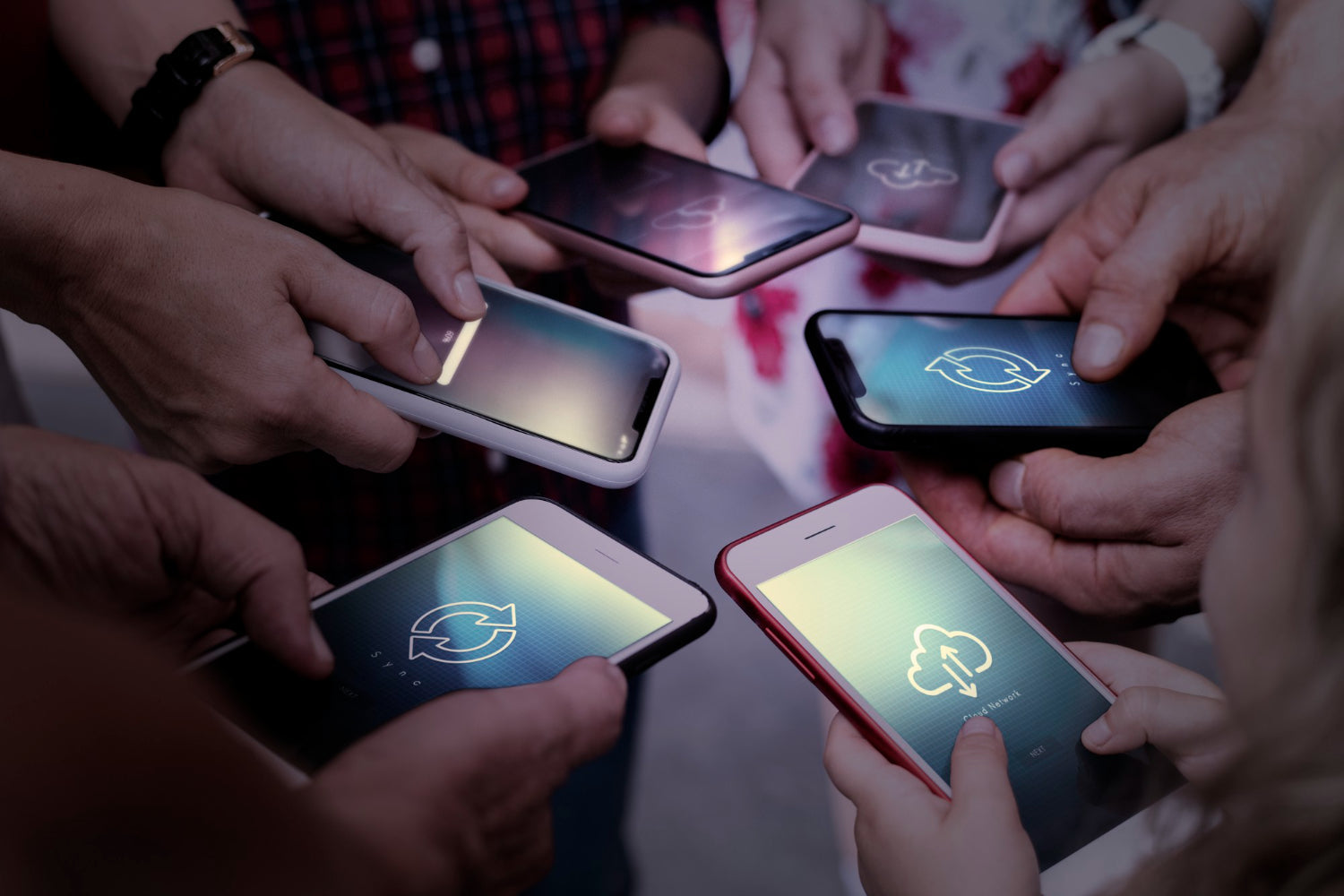

Somewhere on a map, an app drew a circle around a place you go.
You never saw the circle. You never agreed to it. But the moment you step inside, something happens. An ad fires. A notification pops. A log gets a new entry with your name on it.
That is geofencing. And right now it is happening around you more than you think.
Here is the direct answer: geofencing is a virtual boundary around a real-world location. When your phone crosses that line, it triggers an action. Apps use your phone's signals to know exactly when you enter or leave. Turning off location for one app does not fully shut it down, because your device leaks position through more than one channel.
What Is Geofencing?
Geofencing is location tracking with a trigger attached.
-
The fence: a drawn boundary around a spot. A store, a stadium, a neighborhood, a building.
-
The trigger: an action that fires when your device enters or exits that zone.
-
The signals: GPS, WiFi, cellular, and Bluetooth beacons that tell the app where the line is and when you cross it.
A retailer uses it to ping you with a coupon when you walk near the store. A reminder app uses it to nudge you when you get home. That part is harmless enough.
The problem is who else is drawing circles, and what they do with the crossing.
Who Is Drawing the Circle
The same trick that sends you a coupon also builds a map of your life.
Advertisers and data brokers buy and stitch together location histories to figure out where you sleep, work, shop, and pray. Law enforcement can request what are called geofence warrants, asking a company to hand over every device that sat inside a drawn area during a window of time. Independent groups like the Electronic Frontier Foundation have documented how broad these location requests can get.
None of this needs your permission in the moment. The circle is drawn from data your phone already gave away. You are inside it before you ever knew it existed.
Turning Off Location Is Not Enough
Most people think one toggle solves this. It does not.
Switch off GPS for an app and your phone can still place you using nearby WiFi networks. Turn off WiFi and it can lean on cellular towers and Bluetooth beacons. Background location, stored location history, and signals you forgot were on keep filling in the map.
You are trusting a stack of settings, on a device built to be located, to defend you against companies that profit when it fails. That is a bad trade.
The Fix Is Physical, Not a Setting
You cannot toggle your way out of a hardware problem. You close it off.
A Faraday bag is a pouch lined with conductive material that blocks every wireless signal in or out: cellular, WiFi, Bluetooth, GPS, RFID, and NFC. Seal your phone inside and it goes dark. It cannot report its position, so it cannot be placed inside or outside anyone's geofence. No trigger. No log. No crossing to record.
This is not an app and not a promise in a settings menu. It is a physical barrier. SLNT gear was built for Special Operations and military use first, is independently tested, and is protected by patented technology. The same protection now sits in the hands of regular people who decided their movements are not for sale.
One straight fact, because precision matters. A Faraday bag stops signals from leaving your device. It does not turn off your microphone, since the mic is built into the phone. The phone can still hear. Nothing it hears can transmit out of the bag. Block the signal, block the leak.
Where This Shows Up in a Normal Day
This is not surveillance-thriller stuff. It is ordinary life, with the circles removed.
Walking through a mall or a downtown block, a Faraday phone sleeve keeps your phone from pinging every retail fence you pass. You shop because you wanted to, not because a boundary nudged you.
On your commute, your daily route stops becoming a data point that someone else owns. In and out of the office, sensitive locations stay off the record when the meeting actually matters.
In the car, the same gear blocks the signal relay tricks thieves use to clone key fobs. At home, drop your phone into a Faraday bag and the late-night pings stop, with the side benefit of less EMF exposure near your head while you sleep.
None of this asks you to disappear. It just lets you decide when you are on the map and when you are not.
Why It Matters
Geofencing is really a question about who gets to define your space.
When apps draw circles around you, they are deciding where you can be noticed, marketed to, and recorded. Privacy flips that back. It is control over your attention, your movement, and who gets access to you. That control is the difference between low-grade background worry and actual calm.
You did not agree to be a dot on someone's map. You do not have to stay one.
Step Outside the Circle
The circles will keep getting drawn. That part is out of your hands.
Whether you stand inside them is not.
If you want a clean way to step off the map when it counts, take a look at how SLNT gear fits into an ordinary day. No urgency, no pitch. Just control, on your terms.