
What Is Nomophobia and Do You Have It?
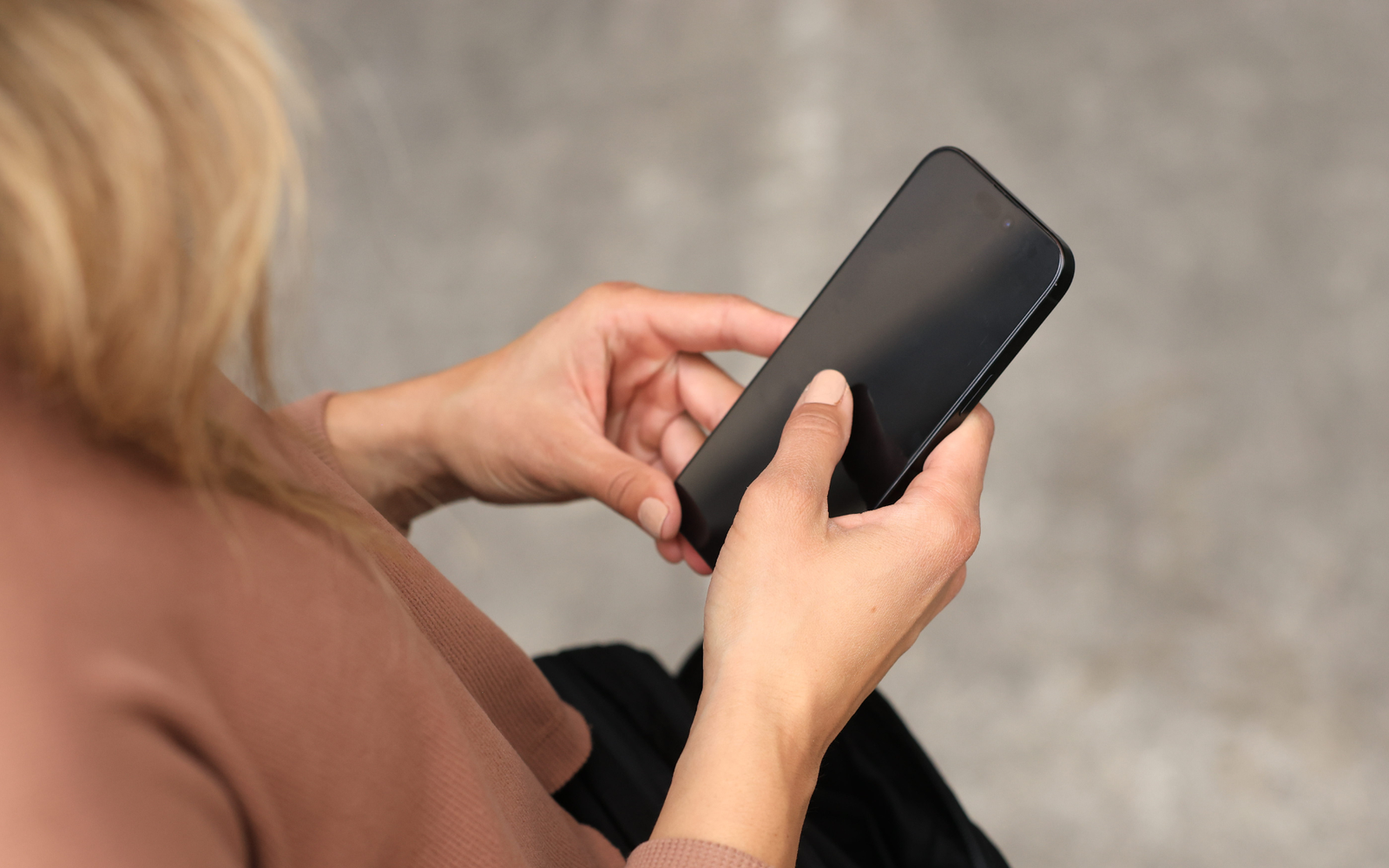

That Feeling
You're standing in line. No buzz, no notification. Nothing happening.
You check your pocket and your phone isn’t there. Your chest tightens, your mind starts racing, and panic sets in. That feeling has a name.
The name for something you probably already have
Nomophobia. Short for "no mobile phone phobia." Coined in 2008, it describes the anxiety people feel when they're separated from their phones: dead battery, no signal, left it at home.
Not the mild irritation of being unreachable. The actual dread of it.
Researchers have been studying it for almost 20 years now. The numbers are hard to ignore: 66% of people experience some level of it. 1 in 5 adults has symptoms serious enough to classify as severe. And a global meta analysis of 36,000 people across 18 countries found that over 90% of smartphone users show at least mild signs.
Most of them have no idea.
Why it happens
Your phone isn't designed to be put down. Every alert, every like, every message triggers a small dopamine hit. The same reward pathway behind gambling, social approval, compulsive behavior. Over time, your brain starts treating access to the phone as access to something essential.
And there's a second layer. For most people, the phone holds everything. Your contacts, photos, schedules, access to the world. It's not irrational to feel tethered to that. The problem is when the tether becomes something you can't choose to put down.
That's the line between convenience and dependency. And a lot of people have crossed it without noticing.
Signs you might be further along than you think
These aren't dramatic. That's the point.
You check your phone first thing in the morning before you get up. Most people do. Most people don't think about what that means.
Your battery hitting 20% sends you into planning mode. Where's the nearest outlet. Do you have your charger. How long can you make it last.
The phone comes with you to every room. Kitchen. Bathroom. The couch three feet from where you were just sitting.
In social situations, it's a security object. Something to look at so you don't have to sit in the discomfort of just being there.
You've checked it mid conversation and never fully came back. Part of your attention stayed on the screen. The person across from you got the rest.
You sleep with it within reach. The notifications don't even have to wake you. The proximity alone affects your sleep.
You've felt a buzz that wasn't there. Phantom vibration. Your brain manufactured it because it's been trained to expect it.
If several of those hit you're not broken. You're responding exactly the way a device engineered for dependency wants you to respond.
What it's actually costing you
The research is past the point of debate.
Constant connectivity keeps your nervous system in low grade alert. You're always reachable, always potentially missing something, always one buzz away from a new demand. That state doesn't turn off cleanly at the end of the day.
Sleep gets worse. Blue light is part of it but it's the mental stimulation that does more damage. Scrolling, reading, responding keeps the brain activated at the exact moment it needs to wind down.
Attention spans shorten. When your brain is trained to expect stimulation every few seconds, sitting with one thing for 20 minutes starts to feel genuinely hard. Not because you're less capable because the baseline has shifted.
And then there's the part that doesn't show up in a scan. The presence problem. The creeping sense that you're there but not fully there. Meals, conversations, moments that deserved your full attention and didn't get it.
Why willpower alone doesn't fix this
Most advice on phone habits fails because it relies on you choosing to resist something that was specifically designed to bypass your decision making.
Turn off notifications. Set a screen time limit. Put it in another room. These help at the margins. But the phone is still accessible. The habit loop is still intact. You've added friction, not separation.
What actually changes behavior is removing the cue from the environment entirely. When the phone is in a Faraday bag, it's not silenced it's gone. No buzz. No pull. Nothing for the compulsion to latch onto.
That's not a hack. That's behavioral science. The cue disappears, the craving quiets.
People who make this a daily habit even for one window a day, dinner, morning, the hour before bed report something they didn't expect. Not anxiety. Quiet. And then, after a few days, something that feels like being back in their own head.
Where to start
Pick one window. Phone goes in the bag. Dinner is a solid choice. So is the hour before sleep.
You're not quitting your phone. You're deciding when it gets access to you instead of the other way around.
That's a small shift with a bigger return than most people expect.
SLNT Faraday bags are built for everyday use, commuting, travel, or just reclaiming the dinner table. Shop the collection