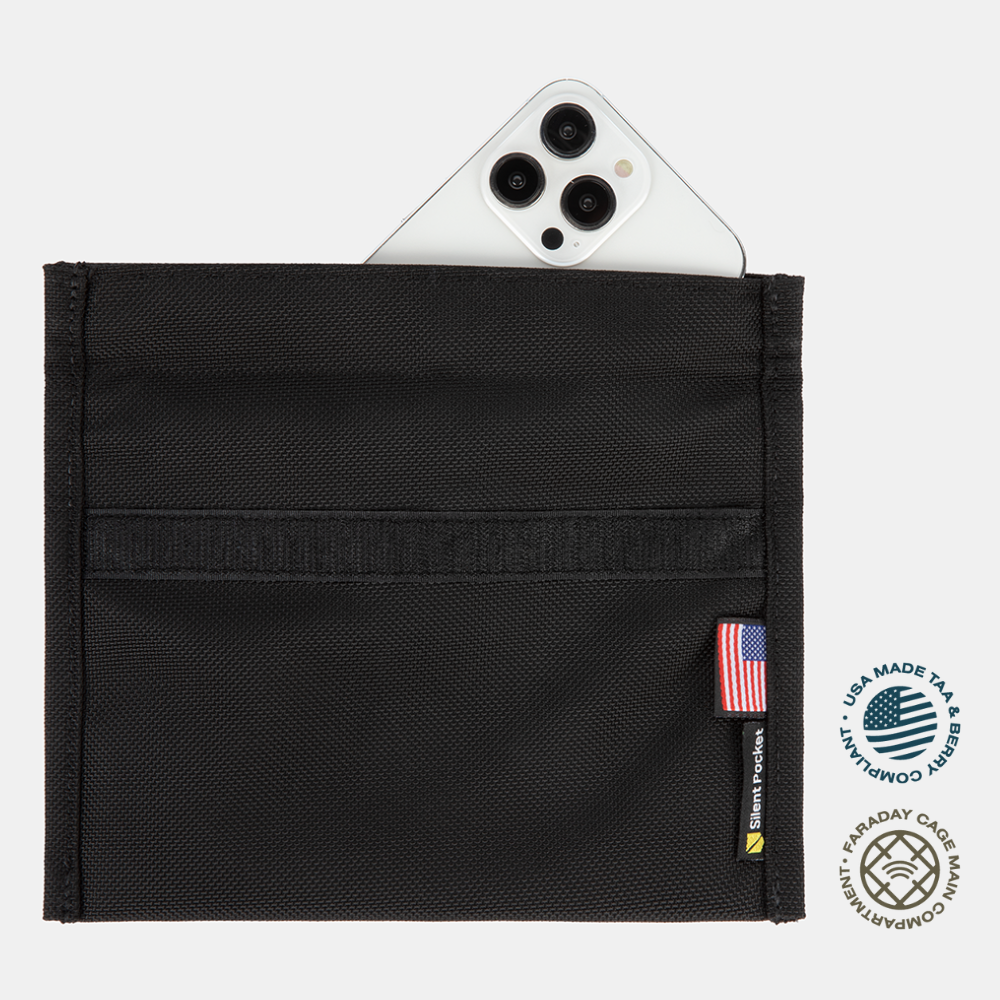
Are Faraday Bags Worth It? Benefits and Limitations
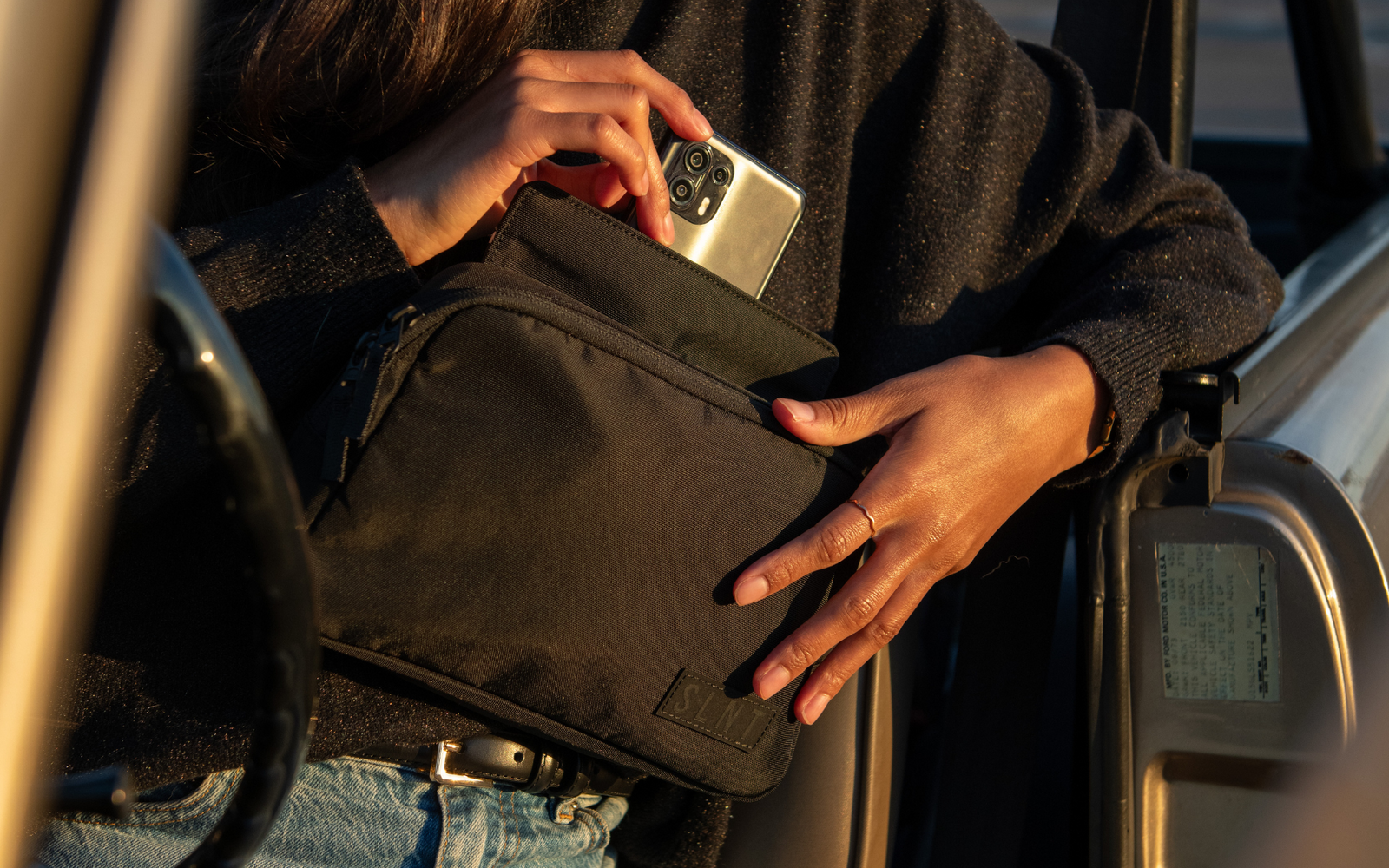

Are Faraday bags worth it? For planned stretches of wireless isolation, yes. If you need to stay reachable, no.
A Faraday bag cuts a device off from wireless networks while it’s sealed inside. That’s useful when you want a phone, laptop, key fob or hardware wallet to go quiet for a while: a meeting, a commute, an evening at home, a device in storage. It’s the wrong tool when you’re waiting on a call, following GPS directions or need messages to come through. That trade-off is the real decision.
How Faraday Bags Provide the Physical Fix
Unlike encryption or a VPN, a Faraday bag doesn’t rely on software. It relies on physics. Conductive shielding surrounds the device and blocks the wireless signals it uses to connect, as long as it’s sealed inside:
Cellular
WiFi
Bluetooth
GPS
RFID
NFC
Two conditions apply. First, the Faraday compartment has to be fully closed, the way the product instructions describe. A partly open closure leaves a path for signals. Second, shielding works within a tested frequency range. SLNT’s Multishield® material was tested by Keystone Compliance, an independent lab, on flat material samples across 10 kHz to 40 GHz. That range covers the bands phones, WiFi, Bluetooth, GPS, NFC and key fobs use. These are material tests, not tests of each finished bag. See the reports and what they cover.
Isolation is the whole job. A Faraday bag doesn’t remove malware already on a device, secure your accounts or protect a device once it’s out of the bag. Treat it as one way to control when your devices connect, alongside the rest of your security habits.
Everyday Use Cases
A few situations where a Faraday bag can make sense:
At home: Store phones and laptops offline overnight or while you focus. Nothing pings until you take them out.
Travel and on the move: Airports, hotels, rideshares, coffee shops and co-working spaces. Devices you aren’t using can stay sealed, so they stop searching for and connecting to the networks around you.
Meetings: Keep phones and smart badges offline during sensitive conversations. A Faraday bag cuts wireless connections, not the microphone, which still works inside the bag. For full privacy, leave phones outside the room.
Hardware wallets: A Faraday sleeve keeps a hardware wallet offline between uses, which matters most for models with Bluetooth or NFC. It adds a layer; it doesn’t replace your PIN, seed phrase backup or safe storage.
Company devices: Keep work phones and laptops offline in transit, in sensitive areas or between users during offboarding.
Final Word: Worth It?
A Faraday bag is worth it if you want wireless isolation on your terms, for a set period. It isn’t if you need to stay reachable the whole time.
While a phone is sealed inside, calls (including emergency calls) and new messages don’t come through, and GPS reception is blocked. Offline functions may keep running: downloaded music or podcasts, photos, notes, a timer. Take the phone out and it reconnects. So the question isn’t whether to disconnect. It’s when, and for how long.
Want to see the results in practice? Read our four tests to find out do Faraday bags really work?
Ready to pick one? Our guide on how to choose the right Faraday bag for your profession or lifestyle matches the format to your routine.
The challenge is simple: keep broadcasting, or silence the chaos.