
How to Block Your Key Fob Signal and Stop Relay Attacks
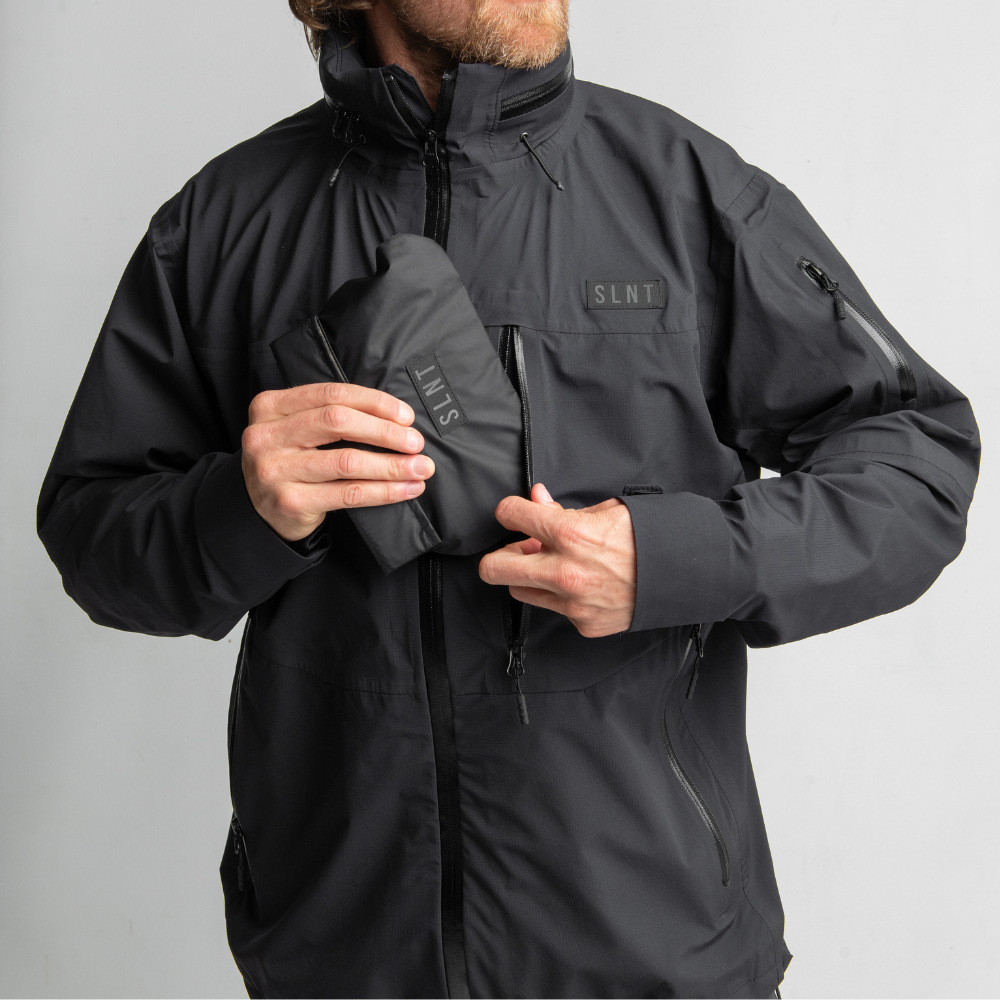

The fix for keyless car theft costs less than a tank of gas and takes about one second a day. Stop your key from broadcasting when you are not using it.
The only tricky part is knowing which methods actually work, because plenty of the advice online does not.
Here is the direct answer: relay thieves steal keyless cars by catching your fob's signal and passing it to your car, which then unlocks and starts. Block that signal and the attack has nothing to work with. The most reliable way is a Faraday pouch. Some cars also let you switch the fob off. DIY tricks like foil or a tin are hit or miss. Below is how to do it right, ranked honestly.
Why Blocking the Signal Stops the Theft
Your key fob is always broadcasting a short-range signal, even in a drawer. A relay attack works by reaching that signal through your wall and extending it to your car.
The weak point is the broadcast itself. If the fob cannot be heard, there is nothing for a thief to relay, and the car stays locked. We break down the full attack step by step in our relay attacks explainer. For now, the takeaway is simple: silence the fob and you close the door.
How to Block Your Key Fob Signal: Methods, Ranked
Not every method is equal. Here they are from most to least reliable:
-
A Faraday pouch or box (most reliable). Purpose-built and lined to block all signals. Drop the fob in and it goes silent, every time. This is the one to trust.
-
Your fob's off mode (free, if you have it). Some vehicles let you disable the fob's wireless with a button sequence, sometimes called sleep or transport mode. Check your owner's manual, since not all cars offer it.
-
Distance from doors and windows (helps, not enough). Keeping keys deep inside your home makes the signal harder to reach, but it does not block it. Treat this as a bonus, not a solution.
-
A metal tin or foil wrap (unreliable). These can block signal in theory, but gaps, seams, and thin material leak, so results are inconsistent. We explain why foil is not a real Faraday cage in a separate piece.
-
Myths to skip. Do not put a fob in the microwave, which is a fire and damage risk. The fridge or freezer is not a dependable shield either.
The pattern is clear. For a guaranteed block, use gear built and tested for it. For a free option, check whether your car can switch the fob off. Everything else is a gamble.
What to Look For in a Signal-Blocking Pouch
A pouch only helps if it actually blocks the signal, so the build matters:
-
Full, continuous shielding with no thin spots or gaps.
-
A sealed closure that keeps the shield intact when the pouch is shut.
-
Tested performance, not just the word "blocking" printed on a tag.
SLNT gear checks all three. It uses patented Silent Pocket technology, independently tested by Keystone Compliance against military shielding standards, and is trusted by military units and hundreds of thousands of everyday users. That testing is the difference between a pouch that works and one that hopes to.
SLNT also lines bags and sleeves to block signals for phones and cards. One straight fact there: a Faraday sleeve stops signals from leaving your phone, but it does not turn off the microphone, since the mic is built into the device. The phone can still hear. Nothing it hears can transmit out of the bag.
Where It Fits Into Everyday Life
This is not about living on edge. It is one small habit that closes the easiest gap in your driveway.
At home, a Faraday key fob pouch by the entryway turns off the overnight broadcast thieves rely on. Drop the key in when you walk through the door and the most common theft window disappears.
Protect the spare too, since a shielded main key and an exposed backup still leaves an opening. A second Faraday sleeve closes it. Traveling or renting, a pouch keeps an unfamiliar fob quiet between trips out. Handing keys to a teen driver or a valet, each set can ride in its own pouch so the signal is never sitting exposed.
A quick honest note: a pouch stops signal-based theft. It does not stop towing or a smashed window, so locks, cameras, and smart parking still matter.
Why It Matters
A car is a lot to lose to a trick that takes under a minute and makes no noise.
Blocking the fob signal puts that decision back with you. You choose when your key can be heard and when it goes dark. That is real control, not a nightly hope that no one is standing outside with a relay box. It also buys back the small peace of not wondering, every morning, whether the car will still be there.
Silence the Key, Keep the Car
Relay theft depends on your fob talking around the clock. Take that away and the easiest attack falls apart.
The reliable move is simple. Use a pouch built and tested to block the signal, and make dropping your key in it a habit.
If you want gear proven to shut the signal down, take a look at how SLNT pouches fit into your everyday carry. No urgency, no pitch. Just control.