Can budget signal-blocking pouches actually protect your data?


You wouldn’t secure your home with a fake lock.
But that’s exactly what many budget signal-blocking pouches do for your digital life.
They look protective. They promise privacy. And they’re cheap enough to feel like a safe bet. The problem is simple: when privacy tools fail, they fail quietly. You don’t get an alert. You don’t get a warning. Your data just keeps moving.
This isn’t about fear. It’s about knowing what actually works.
The problem: cheap pouches don’t stop real digital exposure
Phones, key fobs, laptops, and tablets don’t rest. Even when you’re not using them, they constantly emit and scan for signals—cellular, WiFi, Bluetooth, GPS, RFID, NFC. That’s how modern devices function.
Those signals create real-world risk:
-
Location tracking through cellular and GPS pings
-
Data harvesting via background WiFi and Bluetooth scans
-
RFID and NFC skimming from cards and passports
-
Vehicle key fob relay attacks
-
Credential exposure from wireless connections you never approved
Most budget signal-blocking pouches aren’t designed to fully contain those signals. Thin fabrics, weak closures, leaking seams, and untested materials mean partial blocking at best. Blocking one signal while leaking another isn’t protection. It’s uncertainty.
And uncertainty is where data exposure lives.
The solution: physical Faraday protection, done correctly
Real privacy control doesn’t come from toggles, apps, or airplane mode. Those are software tools. They can be bypassed, updated, overridden, or ignored by the device itself.
Faraday protection works differently.
A properly engineered Faraday enclosure physically blocks wireless signals from entering or leaving a device. No signal means no tracking, no skimming, and no remote access while the device is shielded. This is hardware-level control, not a digital promise.
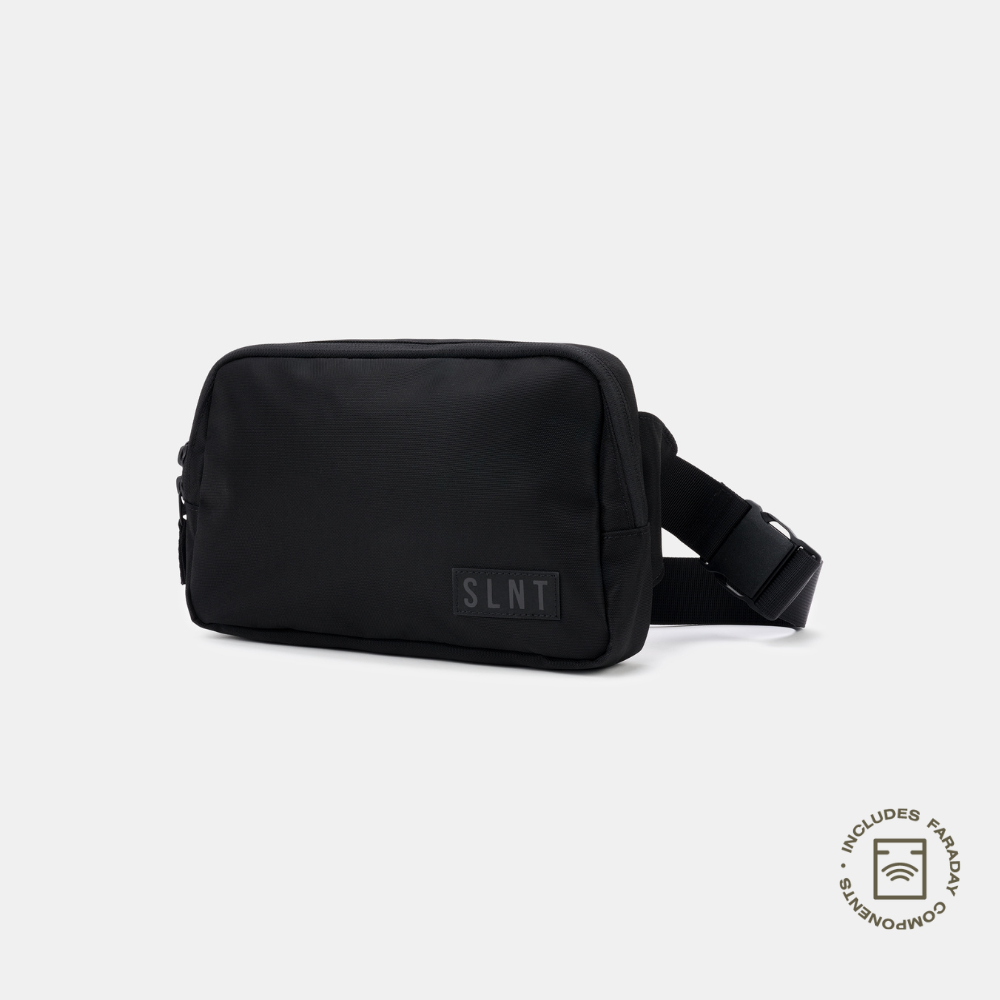
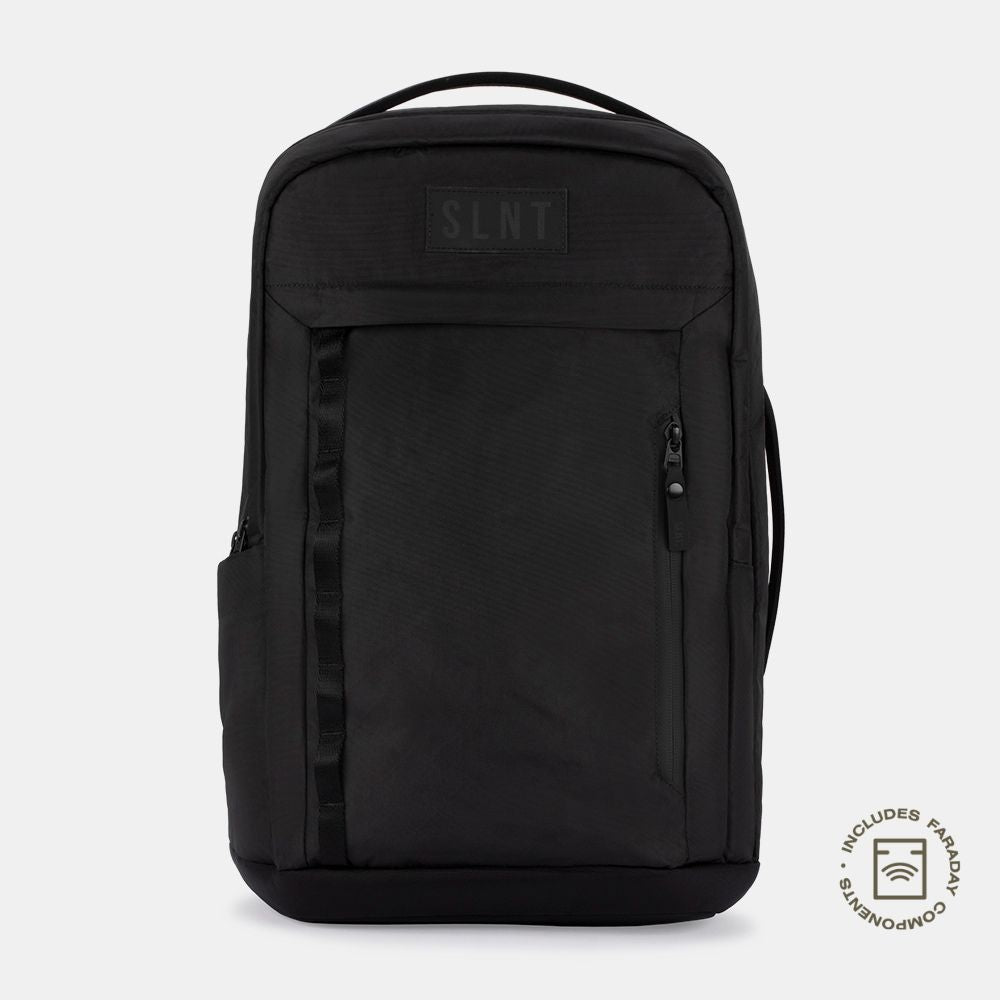
SLNT® builds patentedFaraday gear designed for this exact purpose. Phone sleeves, wallets, backpacks, slings, and device bags are constructed as complete Faraday enclosures—not lined accessories. When a device is inside SLNT gear, cellular, WiFi, Bluetooth, GPS, RFID, and NFC signals are physically blocked. No apps. No settings. No updates required.
SLNT technology was originally developed for military and government use, where signal leakage isn’t a minor inconvenience, it’s a liability. That same standard now protects everyday life.
What actually makes a signal-blocking pouch reliable
Definition for clarity
A signal-blocking pouch only works if it:
-
Fully encloses the device with no gaps or leaks
-
Blocksall relevant signals, not just RFID
-
Uses purpose-built Faraday shielding materials
-
Maintains signal integrity at seams and closures
-
Is independently tested, not just claimed
Most budget options fail on multiple points above.
SLNT® gear uses patented Faraday construction and is independently tested to ensure consistent signal blocking in real-world conditions, not just controlled environments.
Where cheap pouches fail in everyday life
At the airport, phones constantly scan and ping towers, even when powered off. A phone inside a SLNT Faraday Phone Sleeve stays fully silent as you move through terminals, customs, and rideshares. No location updates. No background connections. Just quiet until you take it out.
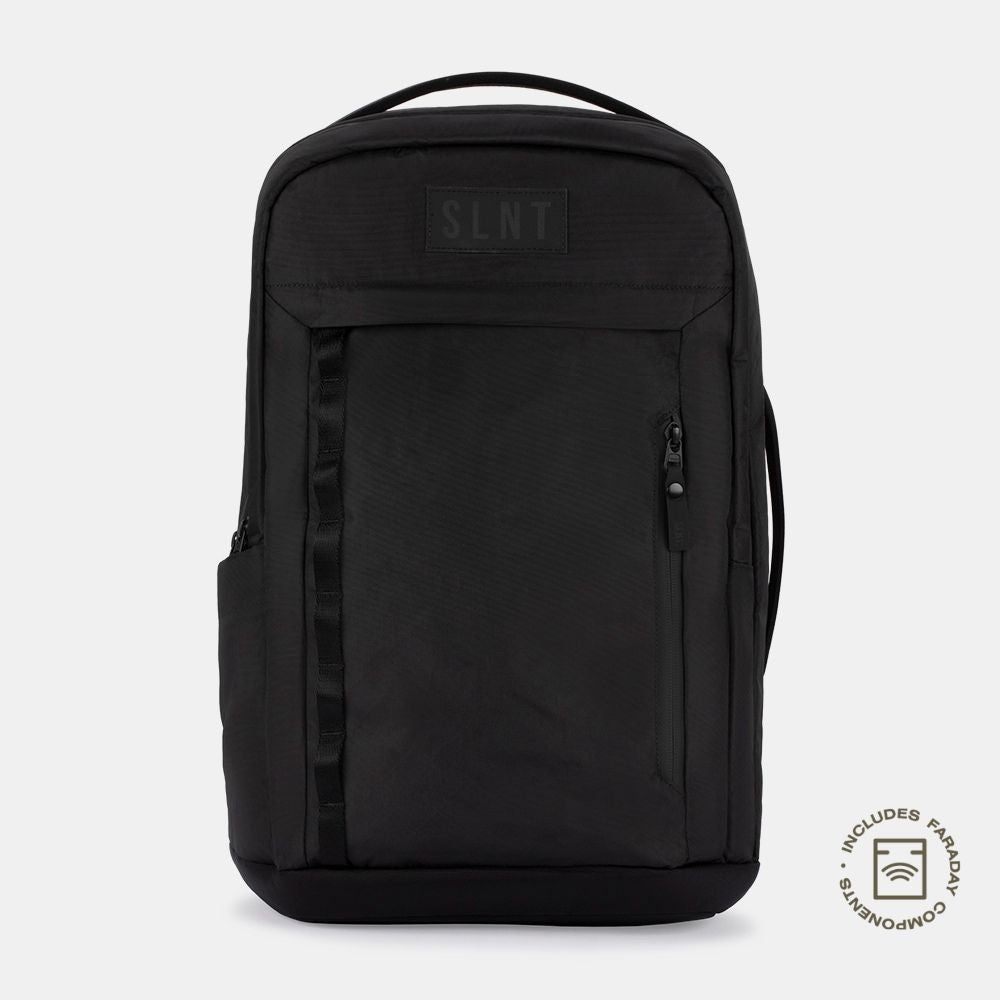
During a workday or commute, a SLNT Backpack or Sling with a built-in Faraday compartment shields your phone, laptop, and tablet without changing how you carry your gear. Devices go dark when you decide—not when software allows it.
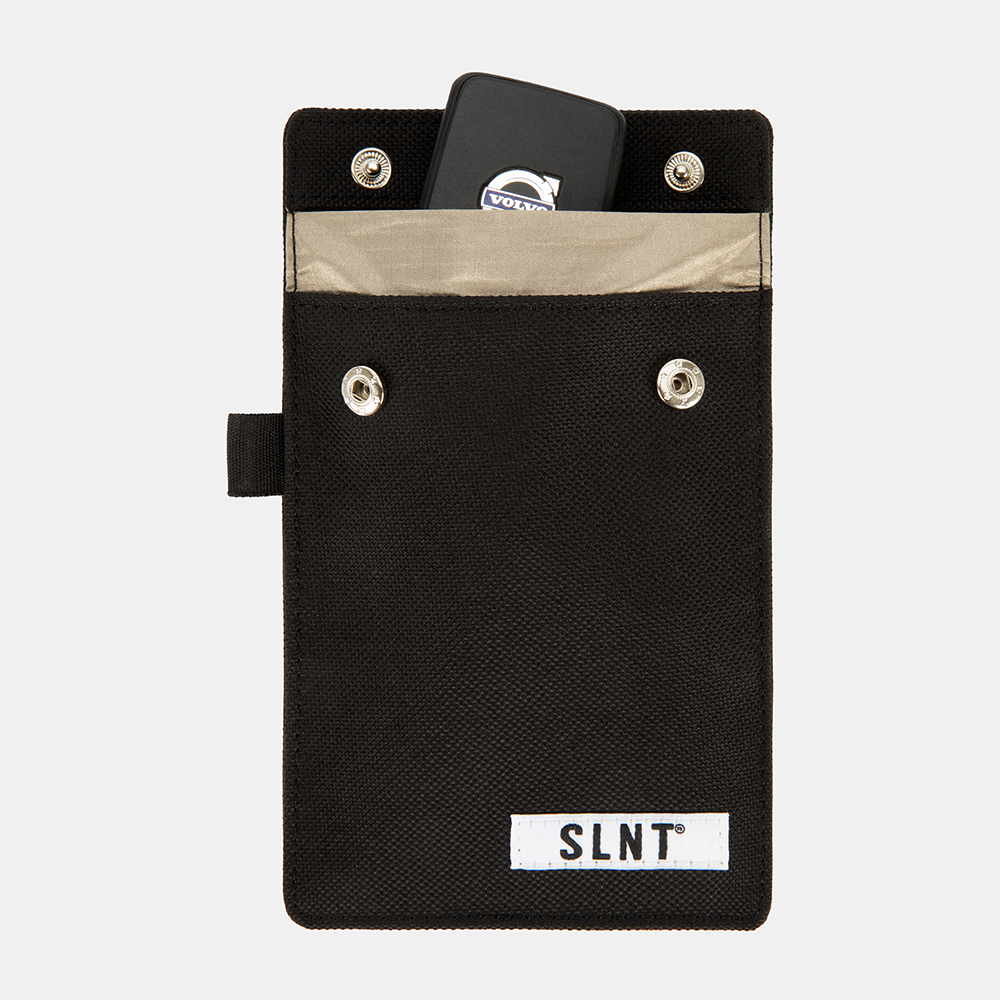
Car keys dropped into a SLNT Faraday Key Fob Pouch stop broadcasting entirely. That matters, because modern relay attacks don’t require physical contact, only an active signal.
At home, unused devices don’t stop transmitting just because you’re not holding them. Storing phones and tablets in SLNT Faraday Sleeves or Utility Bags shuts down background communication without powering devices off.
Parents use SLNT sleeves to create clean offline boundaries for kids’ devices, no arguments, no settings menus, no workarounds.
For those managing digital assets, hardware wallets stored inside SLNT Faraday Bags remain isolated from wireless access when not in use.
None of this requires extreme behavior. It fits into normal routines.
Why this matters
Privacy isn’t about disappearing. It’s about autonomy.
When devices broadcast constantly, control shifts away from you. Location data, behavioral patterns, and identifiers accumulate quietly over time. That data gets stored, shared, breached, or misused often without your awareness.
Faraday protection restores a basic choice: when you are connected, and when you are not.
For those who are EMF-conscious, reducing unnecessary wireless exposure while devices are shielded is a secondary benefit. Not the mission but a natural result of stopping signal transmission altogether.
SLNT® Faraday gear is trusted because it works. Patented. Tested. Proven in environments where failure isn’t theoretical.
The bottom line
Most budget signal-blocking pouches don’t fail loudly. They fail quietly. And quiet failures cost control.
If privacy matters, hardware-level protection matters. Physical signal enforcement matters. Build quality matters.
You don’t need to disappear.
You just need the ability to decide.
That’s how you take back control.
That’s how you Silence the chaos.