How privacy tools fit into your everyday carry setup


Your phone hasn’t been idle all day.
Even when it’s in your pocket. Even when the screen is dark.
It’s scanning. Broadcasting. Logging where you go and what’s around you. Not because you asked it to but because that’s the default.
Most people carry that reality without thinking twice.
The Problem: Everyday Carry Isn’t Private by Default
Your everyday carry—phone, wallet, keys, laptop- moves with you everywhere. So does the data tied to it.
Phones constantly transmit cellular, WiFi, Bluetooth, and GPS signals. Wallets leak RFID and NFC. Key fobs talk to cars even when they’re sitting on the counter. Laptops scan for networks. None of this requires you to do anything wrong. It’s simply how connected devices are designed to operate.
Those signals enable real-world exposure:
-
Location tracking through cell towers and GPS
-
Behavior profiling via Bluetooth and WiFi proximity
-
Credential and card skimming through RFID and NFC
-
Remote access and data extraction when devices are reachable
Privacy settings help, but they are software controls. They update. They reset. They get overridden. And they rely on trust.
If a device is broadcasting, it is exposed.
The Solution: Physical Signal Control
Faraday protection solves the problem at the source.
Instead of asking software to behave, itphysically blocks wireless signals from entering or leaving your device. Cellular. WiFi. Bluetooth. GPS. RFID. NFC. All shut down when the device is inside a Faraday enclosure.
No signal means no tracking, no skimming, and no remote access while shielded.
This is hardware-level enforcement. Not an app. Not a setting. A physical barrier that does not negotiate.
It is important to be precise here.Faraday products do not stop the microphone, because the microphone is built into the device itself. What Faraday protection stops is thewireless transmission of signal, data, and location while the device is shielded.
What “Everyday Carry Privacy Tools” Actually Means
Everyday carry privacy tools are physical items that integrate directly into what you already carry—designed to control when your devices can communicate wirelessly.
In simple terms:
-
Devicesoutside a Faraday enclosure are connected
-
Devicesinside a Faraday enclosure are disconnected from the grid.
There is no setup. No learning curve. No behavior change. You decide when to use it.
Where Faraday Gear Fits Into Real Life
This is not about changing how you live. It is about tightening the gaps.
You commute to work with your phone in your pocket. It is pinging towers, scanning Bluetooth, and logging movement the entire time. Sliding it into a slim Faraday sleeve during the commute shuts that down until you actually need the connection.
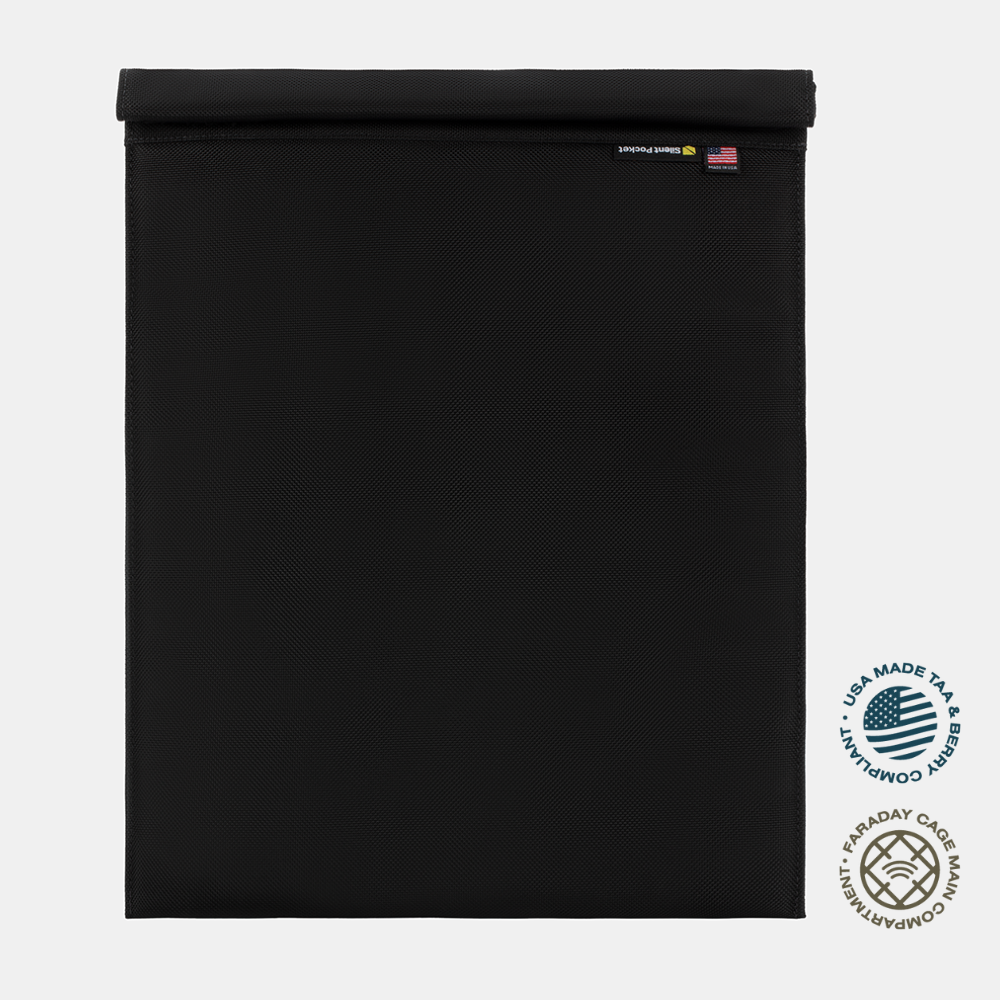
You sit in meetings where sensitive topics come up. Phones on the table still transmit metadata even when the screen is off. A small Faraday pouch keeps devices present but non-communicative.
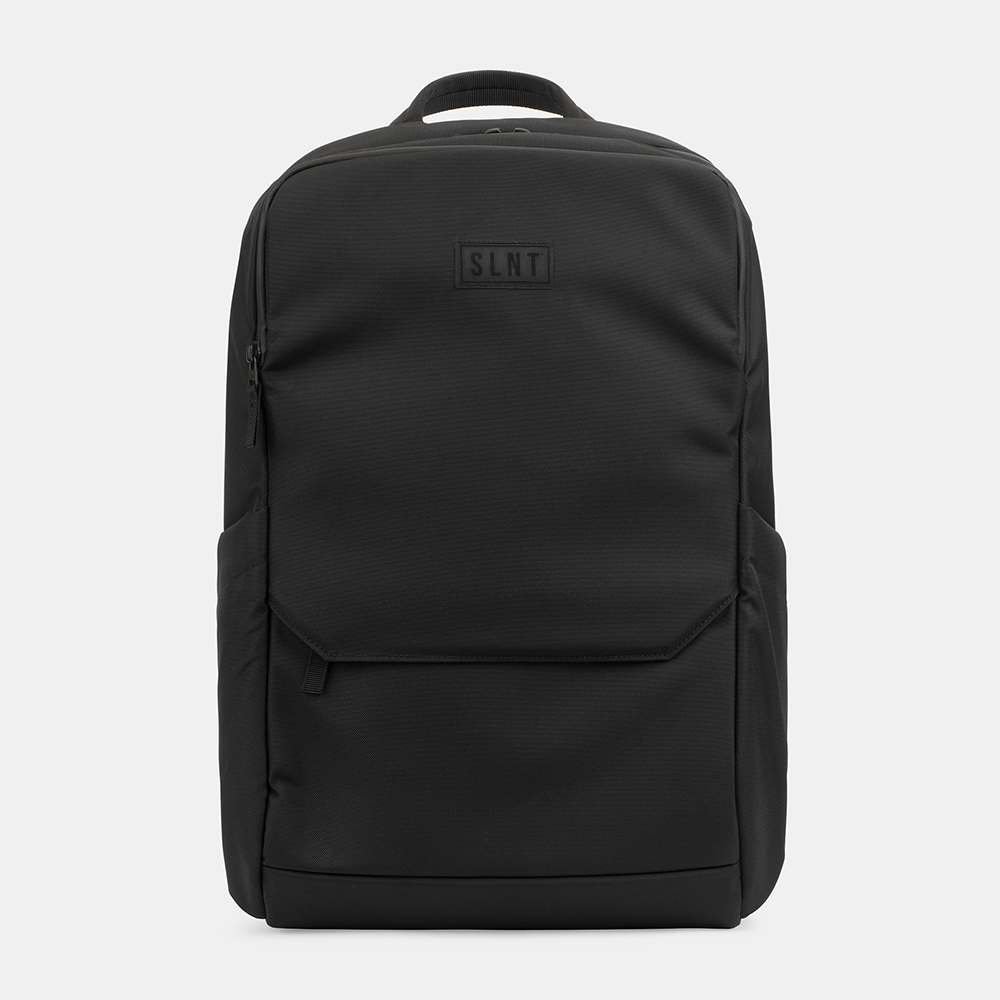
You travel through airports, rideshares, and hotels. Your devices constantly probe unknown networks and broadcast identifiers. A Faraday backpack or sling isolates phones, tablets, and laptops while you move, without turning travel into a production.
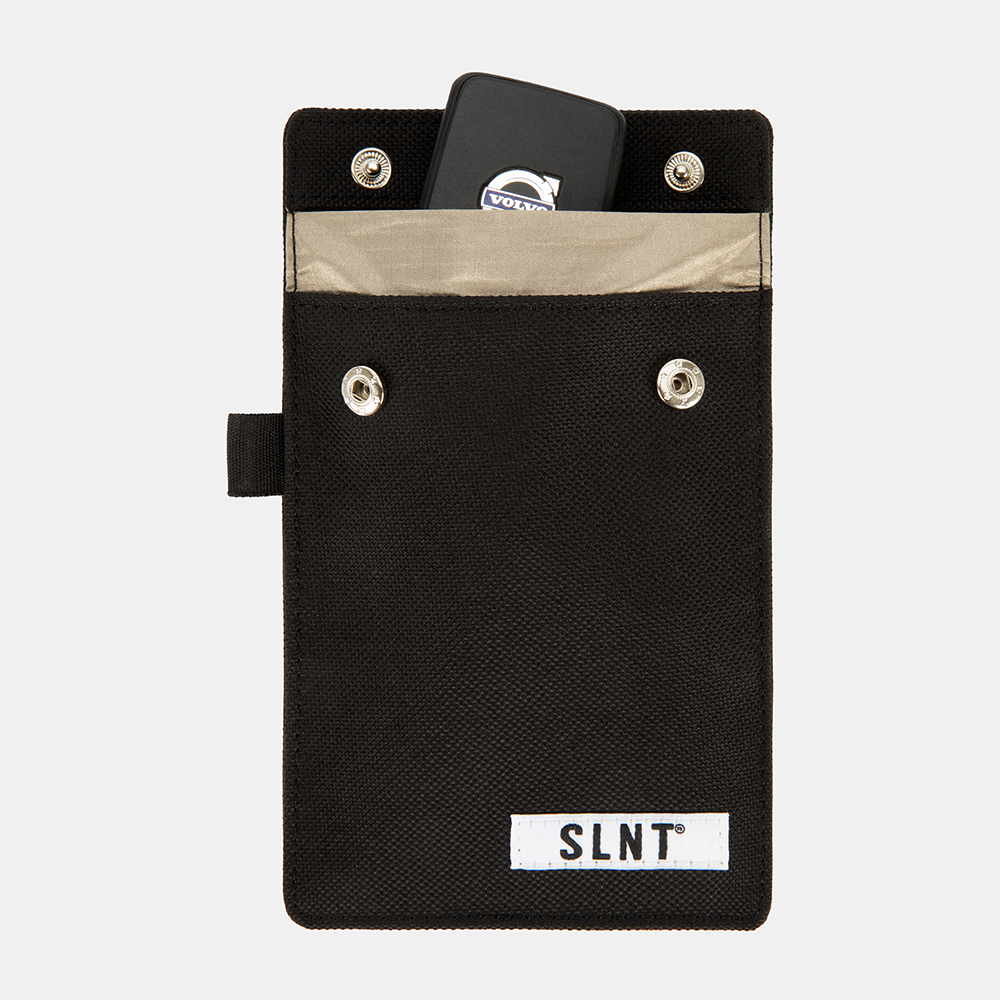
You drive a modern vehicle. Your key fob broadcasts even when it is sitting at home. A compact Faraday key sleeve prevents relay attacks without changing how you unlock or start your car.
You are a parent. Kids’ phones and tablets collect location and behavioral data by default. Shielding devices when they are not actively being used reduces background transmission without taking the device away.
You want digital downtime. Not a retreat. Not an app. Just dinner without interruptions. Dropping your phone into a Faraday sleeve creates a clean break. No pings. No background chatter.
Each of these fits naturally into an everyday carry setup. No theatrics. No lifestyle overhaul.
Why Control Changes Everything
Privacy is not about hiding. It is aboutagency.
When devices constantly transmit, your movements, habits, and proximity become assets for others to collect. Not because you agreed to it, but because the signals never stop. Control begins when you decide when those signals exist at all.
That shift compounds quickly. Fewer interruptions. Less background noise. Clearer boundaries around attention and access.
Some people also notice a secondary benefit: reduced EMF exposure while devices are shielded. That is not the mission, it is a byproduct. The mission is control.
SLNT® gear is built withpatented Faraday technology, independently tested, and rooted in real-world use, originally developed for military and security environments where unmanaged signals carry real consequences. That same discipline now fits cleanly into everyday life.
A clear expectation matters. Faraday protection does not make you invisible. It does not stop microphones. It does not replace smart digital habits.
What it does is give you a hard boundary, one you control.
Choose When You’re Connected
Your everyday carry already defines how you move through the world.
Adding privacy tools does not complicate it. It sharpens it.
You decide when your devices speak.
You decide when they stay silent.
That choice is not dramatic. It is disciplined. And it fits into real life—work, travel, family, downtime—without turning privacy into a project.
If you want to understand how physical signal control fits into your routine, start by learninghow Faraday protection works in everyday use.
Silence the chaos.
Take back control.