
Facial Recognition and AI Surveillance: Where This Is Headed
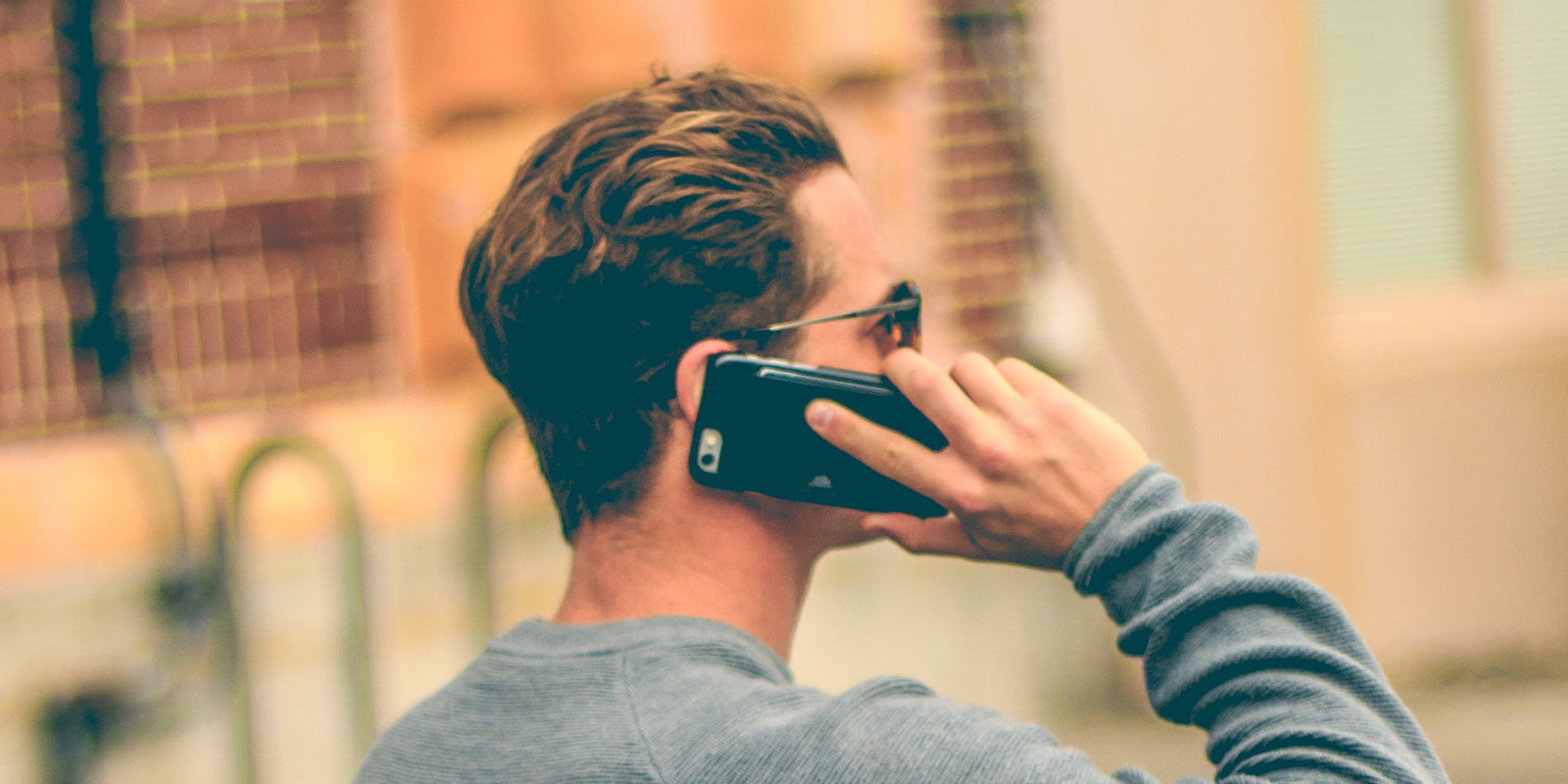

You walked past three cameras on the way to coffee this morning. Two of them probably didn’t matter. The third may have logged your face, matched it against a database, and tagged the timestamp.
Facial recognition isn’t coming. It’s already here. The interesting question is what it’s becoming.
What Facial Recognition Surveillance Actually Is
Facial recognition surveillance is the automated identification, tracking, or profiling of people based on their face. Usually in real time. Often without their knowledge. Almost always combined with other data.
The systems work in three steps:
-
A camera captures a face in public space.
-
An algorithm converts the face into a numerical signature.
-
The signature gets matched against a database, driver’s licenses, mugshots, social media, employee directories, paying customer lists.
Once a match lands, the face becomes a node. Connected to phones. Payment cards. License plates. Locations. Everything else.
Where Things Stand Today
Airports run real-time matching against passport and visa databases.
Retailers use facial recognition to flag returning customers, suspected shoplifters, and high-value spenders.
Cities deploy it on public CCTV networks, sometimes paired with license plate readers and Bluetooth or WiFi signal scanners.
Employers use it for building access, time-tracking, and behavior analytics.
Organizations like theElectronic Frontier Foundation have tracked how quickly the technology and its use cases have spread, especially across U.S. cities and public-private partnerships.
Where This Is Headed
The trajectory isn’t dramatic. It’s incremental. That’s what makes it easy to miss. Three quiet expansions are already underway.
Better accuracy in worse conditions.Recognition is improving in low light, at angles, through motion, and through masks. Environments that used to defeat the systems no longer reliably do.
Cross-system correlation by default.The next generation of platforms isn’t built only to identify faces. It’s built to merge identification with everything else; purchases, locations, communications, voice, gait. Identity becomes a profile, not a photo.
Lower cost, broader access.What used to require a federal budget now runs on a laptop. Landlords, schools, employers, and small retailers are coming online fast.
This isn’t a conspiracy. It’s procurement.
What Faraday Gear Actually Does Here
Be honest first: a Faraday bag doesn’t block cameras. It doesn’t blur your face, disrupt optics, or stop you from being seen.
What it does is shut down everything else your body is broadcasting while you’re in front of those cameras.
Phones, smartwatches, earbuds, and key fobs transmit constantly. Cellular, WiFi, Bluetooth, GPS, RFID, NFC. Each signal is a thread. Threads get linked. A face on camera plus a phone broadcasting nearby equals a confirmed identity, tagged with everywhere that phone has been in the last 90 days.
A Faraday phone sleeve cuts that thread at the device. The phone is fully offline, not airplane mode. Notifications stop. Apps stop syncing. Background pings stop. The device disappears from the correlation layer until you take it out.
A note on what the gear doesn’t do: it doesn’t stop a phone’s microphone, which is built into the device. It doesn’t block cameras. And it doesn’t make you invisible. What it does, at the hardware level, is enforce that your devices stop talking the moment you decide they should.
Moments Where It Earns Its Place
A sensitive meeting.Phone in a Faraday sleeve before you sit down. No background data. No location pings. What happens in the room stays in the room.
A public event or transit hub.A sleeved phone walks in the same as anyone else. The face is still there. The device-level trail isn’t.
An airport or border crossing.Facial recognition is the front end. Your phone is the back end. The sleeve closes one of those two doors.
Daily errands and city life.You’re going to walk past cameras. That’s the world. You just don’t have to make their job easier by carrying a phone that confirms who they’re looking at.
Higher-risk roles.Journalists, executives, contractors, anyone whose movements matter. Faraday gear is the hardware layer that policy and software can’t replicate.
See the full lineup ofSLNT Faraday phone sleeves and bags built for daily routines.
Why This Matters
Surveillance isn’t one thing. It’s a stack. Every layer of that stack is getting more capable.
You can’t unplug every camera. You can decide how much your devices tell those cameras about you. That’s autonomy, the right to be present without being indexed.
SLNT’s gear is patented, independently tested, and was originally built for Special Operations. The same engineering now lives in everyday phone sleeves and bags.
A Practical Move
Facial recognition is here. The system around it is what’s worth paying attention to.
A Faraday sleeve doesn’t pretend to hide your face. It cuts the signal layer that makes your face useful to the people watching it.
That’s a meaningful difference. And a quiet one.