
How to Protect Your Privacy at a Protest
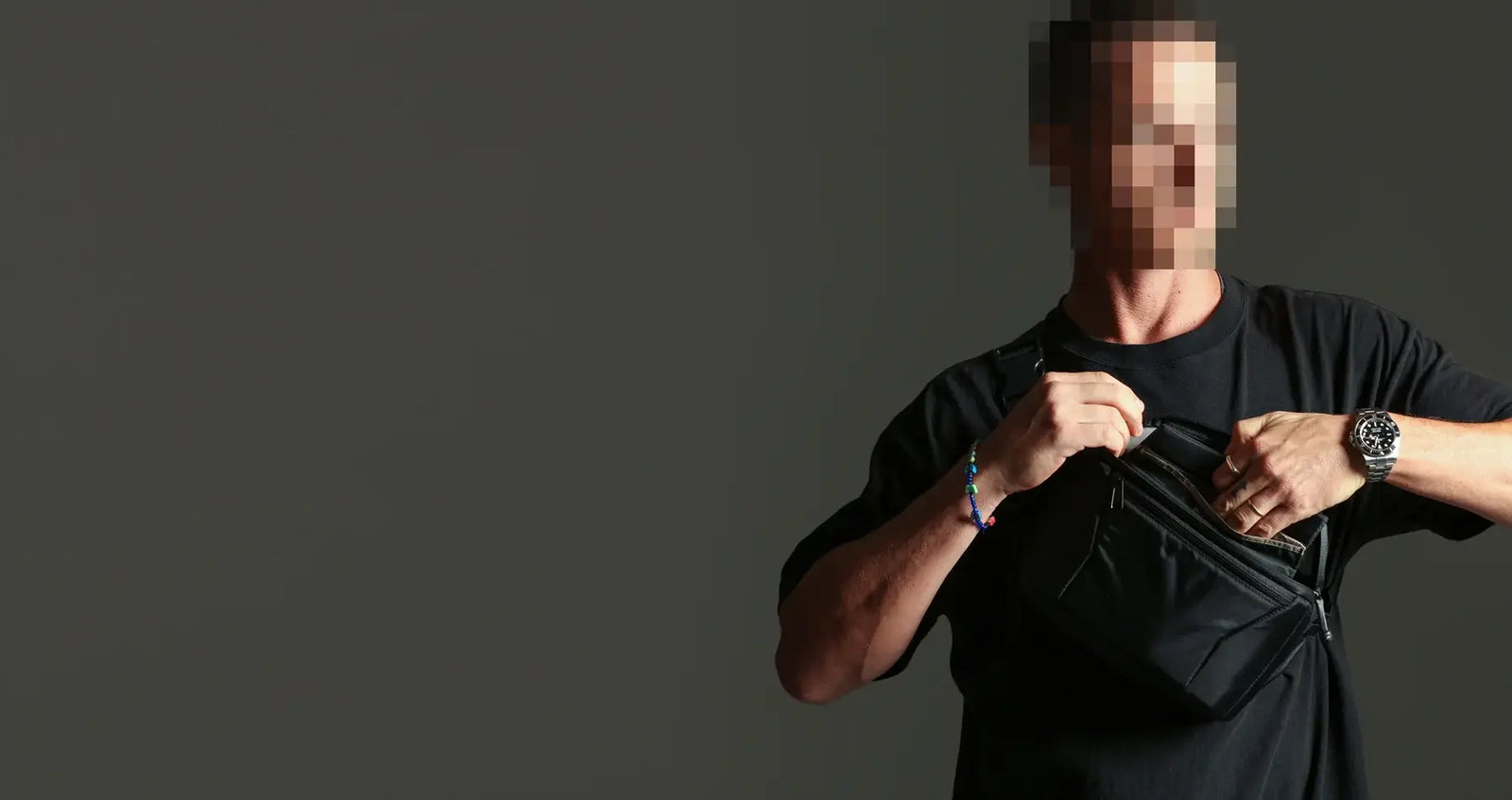

Your phone doesn't know what cause brought you out. It just knows where you are, and it reports that constantly to whoever's asking, regardless of what you're standing up for.
This applies to protesters of every political persuasion, on every side of every issue. The digital risks aren't partisan. They're just a function of carrying a networked device into a public gathering.
The Actual Risks, Laid Out Plainly
There are two separate categories of digital exposure worth understanding, and they call for different responses.
Location and network exposure while you're there. Your phone continuously connects to cell towers, and that connection creates a record tying your device, and by extension your carrier account, to a location and time. Cell-site simulators, devices that impersonate legitimate towers, can also be present at large gatherings and log identifying information from every phone in range. Bluetooth and WiFi radios broadcast their own identifiers even when you're not actively using them. None of this requires anyone to intercept a call or read a text. Simple presence and connection are enough to create a record.
Data exposure if a device is searched or seized. If a phone is unlocked, whether voluntarily or through a passcode, contacts, messages, and photos, including images of other people who didn't consent to being identified, become accessible. This is a separate risk from location tracking, and it calls for a separate set of decisions, mainly around encryption and lock screen settings, made well before you leave the house.
Neither of these is a hypothetical. Digital rights organizations that track this closely, including the Electronic Frontier Foundation, have published detailed guidance on both categories for exactly this reason.
The Physical Fix for the Location and Network Problem
Software settings like airplane mode are usually effective, but they depend on trusting that a device's airplane mode implementation actually stops every radio, every time, on every phone. That's generally a reasonable assumption. It's still an assumption, since it depends on software behaving the way it claims to.
A Faraday bag removes that assumption entirely. Once a phone is sealed inside genuine shielding, it has no physical path to transmit or receive anything, cellular, WiFi, Bluetooth, or GPS. There's no setting to double-check and no toggle that might not have applied to every radio. The signal is physically blocked, not digitally requested to stop.
This solves the location and network exposure problem specifically. It's a meaningful, verifiable layer, and it's worth being clear about what it doesn't solve, which is covered further down.
An Honest Trade-Off Worth Thinking Through First
Sealing a phone means giving up real-time use of it. You can't document what's happening, coordinate with people you're with, or call for help while it's sealed. That's not a small trade-off, and there's no single right answer for everyone.
Digital rights guides are consistent on this point: there's no one-size-fits-all protest security plan. Someone documenting police conduct for public accountability has different needs than someone who specifically doesn't want their attendance logged. Deciding whether, when, and how long to seal a device is a judgment call based on your own situation, not a default setting.
Where This Actually Comes Up
None of this requires an elaborate setup. It's a short list of decisions made ahead of time.
Transit to and from the event. If avoiding a location trail tied to your route matters to you, sealing your phone in aFaraday sleeve for the trip removes that record for the time it's sealed.
During the event itself. This is the core decision point described above: carry it live for documentation and coordination, or seal it for location privacy. Either is a legitimate, informed choice.
A backup phone or spare battery pack. If you're bringing a secondary device you're not actively using, keeping it sealed in aFaraday bag means it isn't broadcasting anything while it sits in a bag or pocket.
RFID-enabled ID or transit cards. Ashielded wallet keeps any RFID-readable cards you're carrying from being scanned in a dense crowd, a smaller but real part of the same exposure picture.
Legal observer or coordination radios. For anyone managing spare communication equipment that isn't actively in use, sealing it when idle applies the same logic as a phone.
After the event. It's worth being honest here: if your phone was live and connected during the protest, that location history already exists with your carrier. A Faraday bag protects the signal going forward. It doesn't erase records that were already created before it was sealed.
One Thing This Doesn't Do
Faraday shielding blocks wireless signal. It does not disable a device's built-in microphone. A sealed phone's mic is separate hardware and continues to function normally regardless of signal blocking.
It's also worth being precise about the bigger picture. Signal blocking addresses network and location exposure specifically. It doesn't address facial recognition from photos or video, doesn't erase records created before a device was sealed, and isn't a claim of being undetectable in every sense. It's one real, verifiable layer among several a full privacy plan should include.
Why It Matters
The right to assemble and speak publicly shouldn't come with an automatic, permanent record of exactly who showed up and where they went, simply because everyone happened to be carrying a phone. That's not a statement about any particular cause. It's a statement about what carrying a networked device quietly does by default, regardless of what you're there for.
Making that a deliberate choice instead of a default is the actual point. You decide when your device is reachable and when it isn't, rather than having that decision made automatically by whichever radios happen to be turned on.
SLNT's Faraday shielding is built on patented technology, independently tested to exceed MIL-STD-188-125-2. For the fuller, well-established guidance this article draws from,EFF's Surveillance Self-Defense guide on attending a protest covers both the network exposure and device search categories in more depth, and it's worth reading directly. None of this is legal advice, and specific questions about your rights or your jurisdiction are worth taking to an attorney or an organization like the ACLU or EFF directly.
Close It Out
You don't need to overthink this. You need to make the call about your phone before you leave the house, not while you're standing in a crowd deciding in the moment.
Take a look atSLNT's Faraday bags and sleeves and decide ahead of time which parts of your setup deserve to go dark.