
Phone-Free Classrooms: How Signal-Blocking Pouches Help Schools
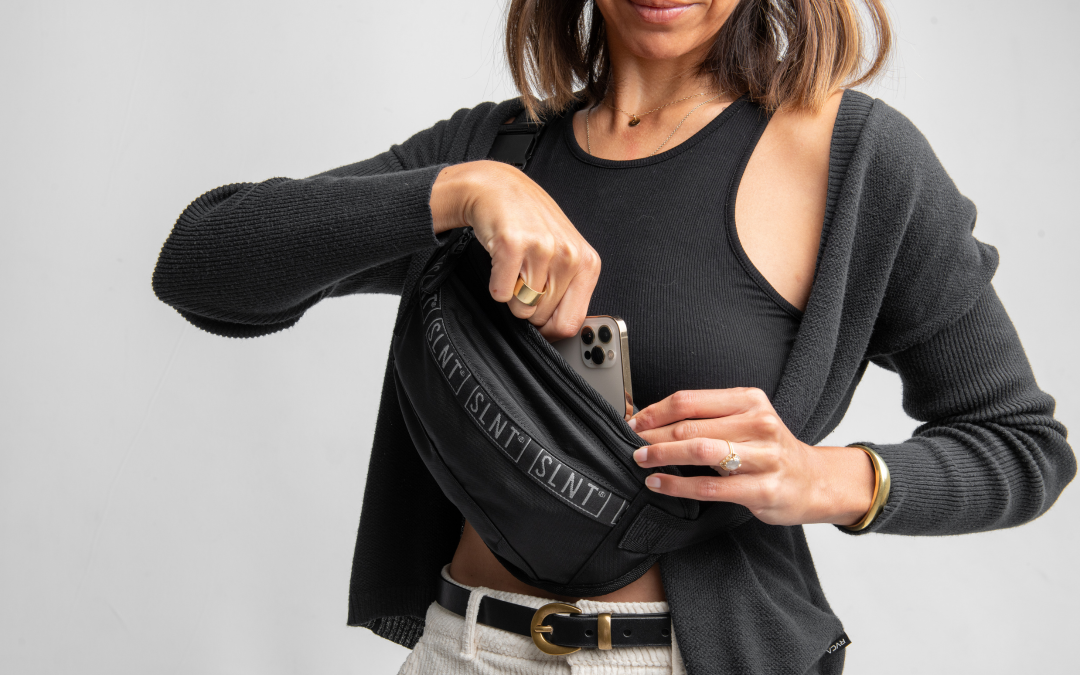

A locked pouch keeps a phone out of a student's hand. It doesn't keep the phone quiet, and it doesn't stop the phone from working the moment that lock gets defeated.
That distinction matters more than most district policies currently account for, and it's worth understanding before the next purchase order goes out.
Where School Phone Policy Actually Stands Right Now
Phone-free school policy has moved fast. As of 2026, the large majority of U.S. states have adopted some form of restriction on personal device use during the school day, and a growing number have gone further with bell-to-bell requirements that keep phones stored for the entire day, not just during class periods. Several states, including New York, have allocated public funds specifically for schools to purchase pouches or other secure storage.
Most of these laws require "secure, inaccessible storage." In practice, that phrase almost always describes a locking pouch, most commonly a magnetic clasp system, not a signal-blocking one. The pouch's job, as written into most policy, is to keep hands off the phone. It says nothing about whether the phone itself stays connected while it's inside.
What the Research Actually Shows, Without the Spin
The evidence here is genuinely mixed, and it's worth being straight about that instead of cherry-picking the flattering studies.
A Florida district study found meaningful test score gains in the second year after a cellphone ban took hold, once the initial adjustment period passed. But the largest national study to date, covering roughly 4,600 U.S. schools using lockable pouches, found something more complicated: in-class non-academic phone use dropped sharply, from 61 percent of students to 13 percent, but the researchers found little consistent effect on academic outcomes, attendance, or self-reported classroom attention over the following three years. That same research specifically flagged student circumvention of locking pouches as a documented limitation on their real-world effectiveness.
None of this means phone-free policy doesn't work. It means the pouch itself isn't automatically doing all the work people assume it is, and the mechanism matters more than the mandate.
The Actual Gap: A Lock Controls Access. It Doesn't Control Signal.
Here's the distinction that gets lost in most district conversations. A magnetic lock solves a physical problem: can the student get the phone out. It does nothing about a separate problem: is the phone still live while it's sealed.
A phone inside a standard locked pouch still receives calls, texts, and notifications. It can still buzz, light up through the fabric, or build the exact anticipation that pulls attention away from a lesson, sealed or not. And if the lock is compromised, whether through wear, a duplicated magnet key, or simple circumvention, the phone is immediately as usable as it would be in an open pocket. There's no secondary layer behind the lock.
A Faraday-shielded pouch closes that specific gap. Because the phone has zero signal while it's inside, sealed or not, notifications simply don't arrive. Nothing can be sent, received, or synced, which matters directly for testing security, where the actual policy concern is an internet-connected device in the room, not just a device in a student's hand. Signal isolation solves that concern at the hardware level, independent of whether the physical lock happens to be intact that day.
This isn't a replacement for a locking mechanism. A well-designed policy typically wants both: physical access control and signal isolation working together, not one standing in for the other.
Where This Fits Into an Actual School Day
None of this requires reinventing a district's existing policy. It's a question of which pouch is doing the job.
Daily classroom storage. Replacing a standard lock pouch with a Faraday-lined pouch means phones are silent for the whole period, not just inaccessible, which removes the notification pull the current research says locks alone don't fully address.
Standardized testing windows. Test security policies already worry about internet-connected devices in the room. Shielded storage answers that concern directly, rather than relying on a magnet holding for the length of an exam.
Buses and before/after-school transitions. A shielded pouch for the ride removes phone use without needing a staff member to manually verify every student's pouch is still sealed.
Field trips and assemblies. A single unlocked or circumvented phone in a large group setting can undermine an entire policy. Shielding removes that single point of failure without adding more supervision.
Staff and teacher devices. Applying the same standard to adult devices during instructional blocks builds policy buy-in and models the expectation being asked of students.
Library and study hall blocks. For students who opt into distraction-free study time rather than a schoolwide mandate, a Faraday phone sleeve offers the same benefit on a voluntary basis.
None of these use cases depend on believing phone-free policy is a guaranteed academic fix. They depend on the pouch actually doing what a district assumes it's doing.
One Thing This Doesn't Do
Faraday shielding blocks wireless signals. It does not disable a device's built-in microphone. A phone sealed in a shielded pouch still has a fully functional mic, since that's separate hardware from the phone's radios. Districts evaluating pouches for test security specifically should know that signal blocking prevents transmission, not recording.
It's also worth being precise about the bigger claim. Signal-blocking pouches solve the transmission and notification problem directly and reliably. They aren't a substitute for a coherent policy, and the honest research on academic and wellbeing outcomes from phone-free policy overall remains mixed. The pouch is one part of a working system, not the whole system.
Why It Matters
A national survey of more than 20,000 educators found that stricter, more consistently enforced phone policies were linked to less in-class phone use and higher teacher satisfaction, a concrete, measurable outcome that doesn't depend on believing every claim made about phones and student mental health. That's the honest case for getting the mechanism right: not a promise of transformed test scores, but a policy that reliably does the one thing it's supposed to do, every day, regardless of whether a lock holds up to wear.
For administrators, that reliability is the actual point. A policy that depends on an intact magnet is a policy with a known failure mode already documented in the research. A policy backed by hardware-level signal isolation doesn't have that same weak point.
SLNT's Faraday shielding is built on patented technology, independently tested to exceed MIL-STD-188-125-2, a standard that traces back to equipment fielded in military environments. For the fuller research picture on phone-free school policy, including the mixed academic results worth weighing honestly, the NBER's national study on school cell phone bans is the most comprehensive current source.
Close It Out
A quiet classroom starts with a phone that's actually quiet, not just out of reach. That's a mechanism question, not a policy question, and it's one most districts haven't fully separated yet.
Take a look at SLNT's Faraday bags and sleeves and see where signal isolation fits alongside whatever access policy your school already has in place.