
Your Phone Is a Tracking Device: Here's Everything It Knows About You
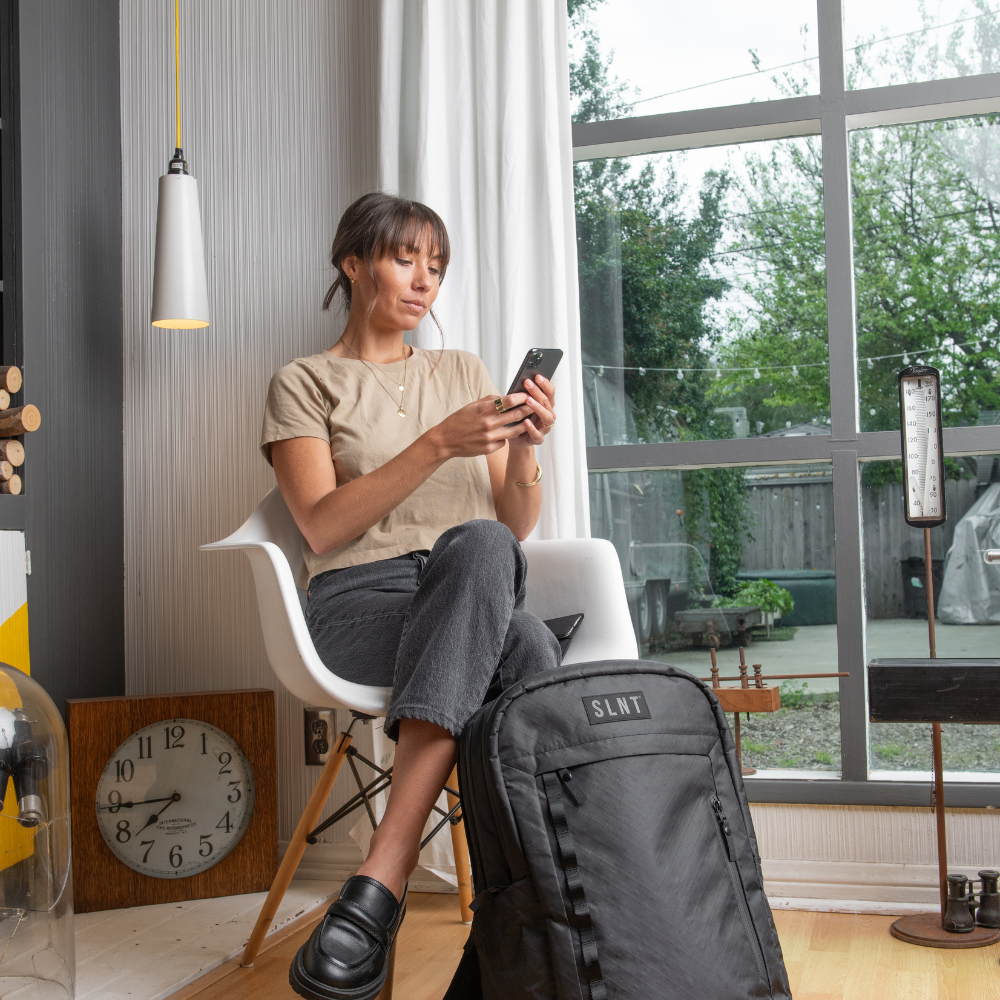

If a stranger followed you all day, wrote down every place you went, who you spoke to, what you bought, and how long you slept, you'd call the cops.
Your phone does all of that. And you pay it monthly.
This isn't conspiracy. It isn't paranoia. It's how the device was built and how the apps on it make their money. Once you understand what your phone is actually doing in your pocket, the question stops being "am I being tracked?" The question becomes "what am I going to do about it?"
What Your Phone Actually Knows About You
Modern smartphones collect more data per user than any tool in human history. Most of it happens silently, in the background, whether the screen is on or off.
Here's the short version of what's being logged:
-
Where you are. GPS, WiFi triangulation, cell tower pings, and Bluetooth beacons keep a near-constant log of your location. Even with Location Services "off," many apps still infer where you are.
-
Who you are. Your phone carries unique identifiers (IMEI, advertising ID, MAC address) tied to your name, email, billing info, and face.
-
Who you know. Contacts, call logs, message metadata, social graphs, and proximity to other people's devices.
-
What you do. Apps used, time spent, taps, scrolls, what you typed and deleted, what made you pause.
-
What you buy. Linked credit cards, mobile payments, loyalty IDs, in-app purchases.
-
What you say and see. Photos (geo-tagged), browser history, search queries, voice assistant logs.
-
How you live. Steps, heart rate, sleep cycles, screen-on time, when you wake and when you crash.
That data doesn't sit in one place. It's brokered, bundled, and sold across thousands of advertisers, analytics firms, and data buyers most people have never heard of. The U.S. Federal Trade Commission has repeatedly documented how detailed and easy to buy this information is.
You're not the customer of most apps on your phone. You're the inventory.
"But I Use Airplane Mode"
Airplane mode is a software setting. It tells the phone to stop transmitting. It doesn't always listen.
Investigations have shown phones continuing to log location, ping nearby devices, or sync the moment they touch WiFi again. Background processes resume. Cached data uploads. Sensors keep working.
Settings depend on trust. You're trusting the operating system, the carrier, the apps, and every third party they share data with to behave. That's a lot of trust.
Airplane mode is a polite request. Faraday is a closed door.
Faraday Protection: A Physical Off Switch
A Faraday bag is a sleeve, pouch, or pack lined with conductive fabric that physically blocks every wireless signal: cellular, WiFi, Bluetooth, GPS, RFID, and NFC.
Drop a phone, key fob, laptop, or hardware wallet inside, and it goes dark. No GPS. No pings. No background data. No remote access.
This isn't a toggle. It isn't an app. It isn't a setting an update can override. It's a physical wall that signals can't cross.
One thing worth being clear about: the microphone is built into the phone itself, so the bag doesn't disable it. Faraday gear blocks signals, not internal hardware. What it does is sever the path those signals travel. Nothing in. Nothing out.
SLNT® gear was originally built for Special Operations and is used today by government agencies, defense contractors, and privacy professionals worldwide. The same patented, independently tested technology is now what regular people use to put their devices on a leash instead of the other way around.
Where It Quietly Fits Into Daily Life
You don't have to live like a spy. You just have to decide when the world gets a copy of you.
Sensitive meetings and conversations. Private business, legal calls, family discussions. AFaraday phone sleeve on the table means whatever's said in the room stays in the room, with no live signal pulling metadata elsewhere.
Travel. Airports, border crossings, hotels, rideshares, and rental cars are some of the most data-heavy environments you'll step into. Sealed devices can't be pinged, scanned, or remotely accessed while you're moving through them.
Your vehicle. Modern car key fobs broadcast constantly and can be relayed by thieves from across a parking lot. A Faraday key pouch kills the signal. Your car waits foryou, not a relay attack.
The bedroom. Your phone next to your head all night isn't rest. It's eight hours of uninterrupted data collection. Drop it in a sleeve before bed. The world can wait until morning.
Wallet and ID. Credit cards, passports, hotel keys, and work badges all use RFID or NFC. They can be read at distance. A Faraday wallet shuts that down without changing anything about how you carry your stuff.
Family life. Kids' phones, tablets, and smartwatches collect just as much data as adult devices, often more. A simple sleeve on the kitchen counter during meals or homework removes the device from the equation, no fight required.
Crypto and high-value devices. Hardware wallets, external drives, and laptops carrying sensitive information shouldn't be radiating signals when they're sitting idle. A Faraday backpack or sleeve isolates them until you decide to bring them online.
Why This Actually Matters
The privacy conversation gets framed as paranoid. It isn't. It's about a few simple things:
-
Autonomy. You decide who knows where you are and what you're doing.
-
Safety. Tracking enables stalking, theft, fraud, and worse. Cutting the signal cuts the risk.
-
Operational security. For executives, journalists, attorneys, and anyone handling sensitive information, location and metadata leaks are the easy way in.
-
Mental clarity. A device that can't reach you can't pull at you. Quiet phone, quieter mind.
There's a smaller secondary benefit too. When a phone is sealed in Faraday gear, it stops emitting. That means reduced EMF exposure when the device is on your body, in your bag, or beside your bed. Not a medical claim. Just less radiation than you'd otherwise be sitting in. Take it as a bonus.
The bigger point: your phone isn't going to become less hungry for data. The companies behind it aren't going to suddenly decide they collect too much. The only thing that's going to change is whether you participate by default.
Common Questions, Quick Answers
Does turning my phone off stop tracking? Not reliably. Many phones retain network activity even when powered down, and some can be woken remotely. Faraday isolation removes the question.
Can a Faraday bag block my microphone? No. The microphone is built into the device. Faraday gear blocks wireless signals so nothing can transmit out, but it doesn't disable internal hardware.
Will I miss calls and messages? Yes, while the device is sealed. That's the point. Anything urgent waits. When you take the phone out, messages catch up like normal.
Is this overkill for a regular person? Same reasoning as a seatbelt. You don't wear it because you expect a crash. You wear it because the cost of not wearing it is real and the cost of wearing it is nothing.
Take Back the Default
You don't have to leave the grid. You don't have to swear off your phone. You just have to stop being the always-on signal source the system was designed to harvest.
A sleeve on the nightstand. A pouch in the car. A bag on your shoulder. Small physical moves that put a real wall between your life and everyone trying to log it.
That's what SLNT® gear is built for. Patented Faraday technology, independently tested, originally engineered for Special Operations, now in something you can carry on a Tuesday.
Decide when the world gets access to you.
Silence the chaos.