SLNT customer stories: real users, real missions, real results

You lock your front door every night.
Then you put your phone on the nightstand, broadcasting all the way through sleep.
That contrast is where most digital risk lives. Not in spy movies. In normal life.
The problem
Modern devices never really stop talking. Phones, tablets, laptops, key fobs, each one emits wireless signals that can be logged, scanned, or skimmed. Location pings. Bluetooth handshakes. RFID reads. Background data transfers you didn’t approve and can’t see.
Settings help. Apps help. But they’re software controls layered on top of hardware that keeps transmitting. As long as a device is broadcasting, exposure exists. Tracking happens. Credentials leak. Metadata accumulates.
That’s the gap everyday people keep running into and why many of them found SLNT.
The solution
Faraday protection is simple because it’s physical.
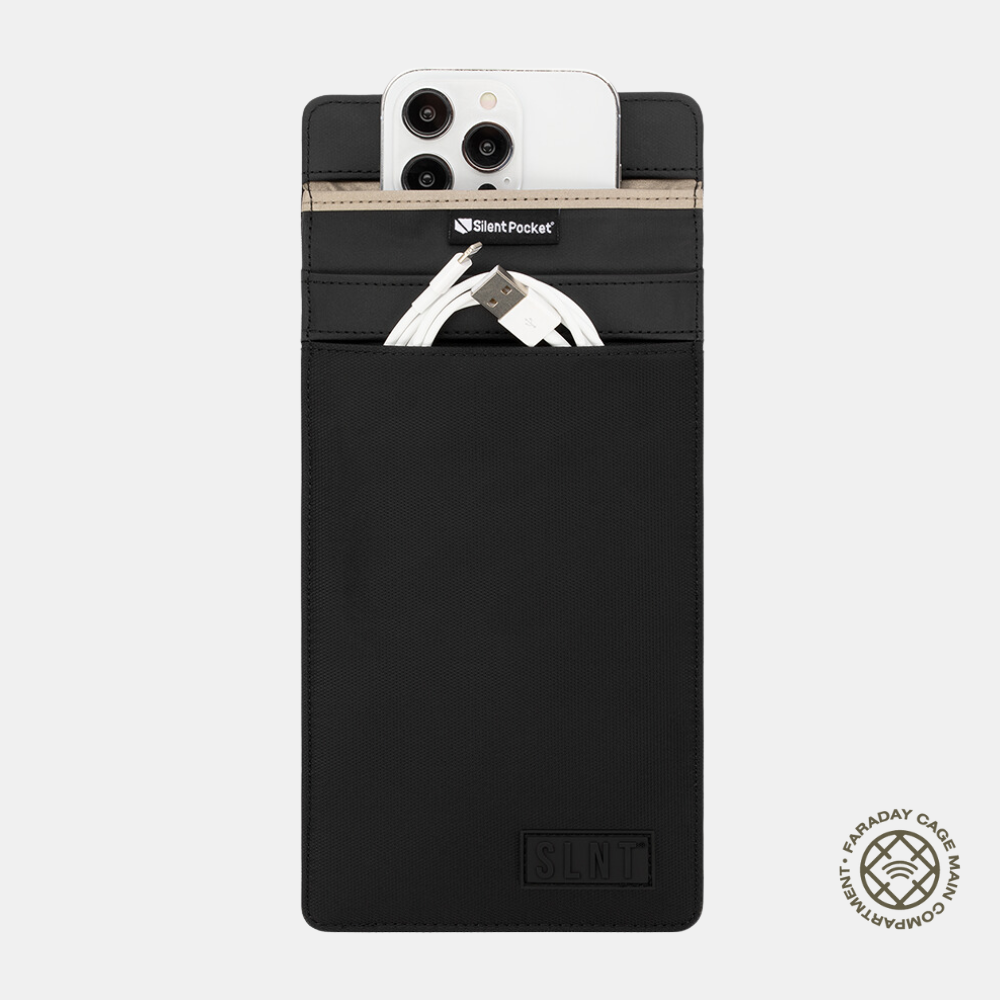
A Faraday enclosure blocks wireless signals at the hardware level (cellular, WiFi, Bluetooth, GPS, RFID and NFC) by preventing them from entering or leaving the device. No signal. No transmission. No remote access while shielded.
This is not a setting. It doesn’t rely on updates or permissions. It enforces silence.
Important clarity: Faraday products donot stop a device’s microphone. The microphone is built into the phone. What Faraday protection stops is thewireless transmission of any audio or data while the device is shielded.
SLNT’s patented Faraday technology was originally built for military environments and independently tested for real-world performance. That same protection now fits into daily routines.
What Faraday protection does (featured snippet)
-
Physically blocks wireless signals at the hardware level
-
Prevents tracking, skimming, and remote access while devices are shielded
-
Works instantly: no apps, no software, no configuration
-
Allows users to choosewhen devices are connected and when they are not
Real people. Real missions.
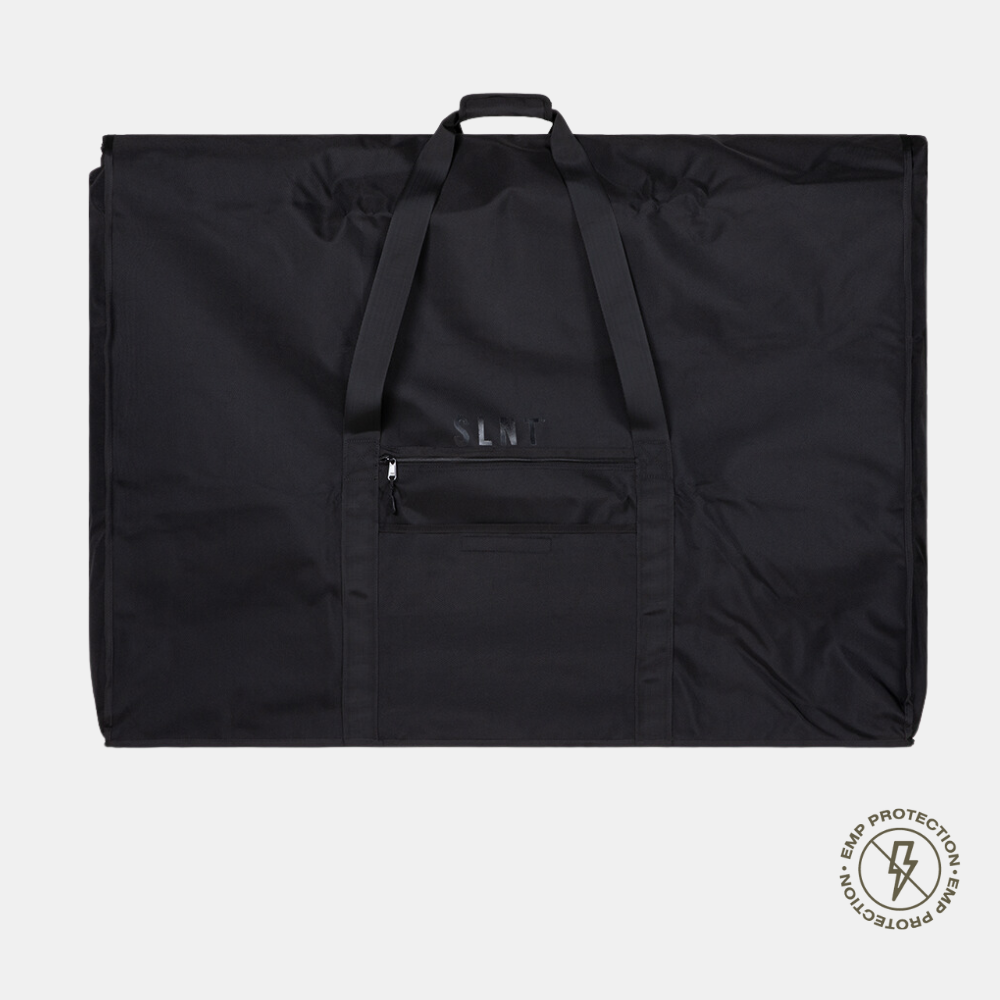
A frequent traveler slips a phone into a SLNT sleeve before airport security. No Bluetooth scans. No passive location pings. The device stays quiet until it’s needed again.
A parent drops tablets into a Faraday pouch after homework. The screen time ends cleanly, no arguments, no background data collection overnight.
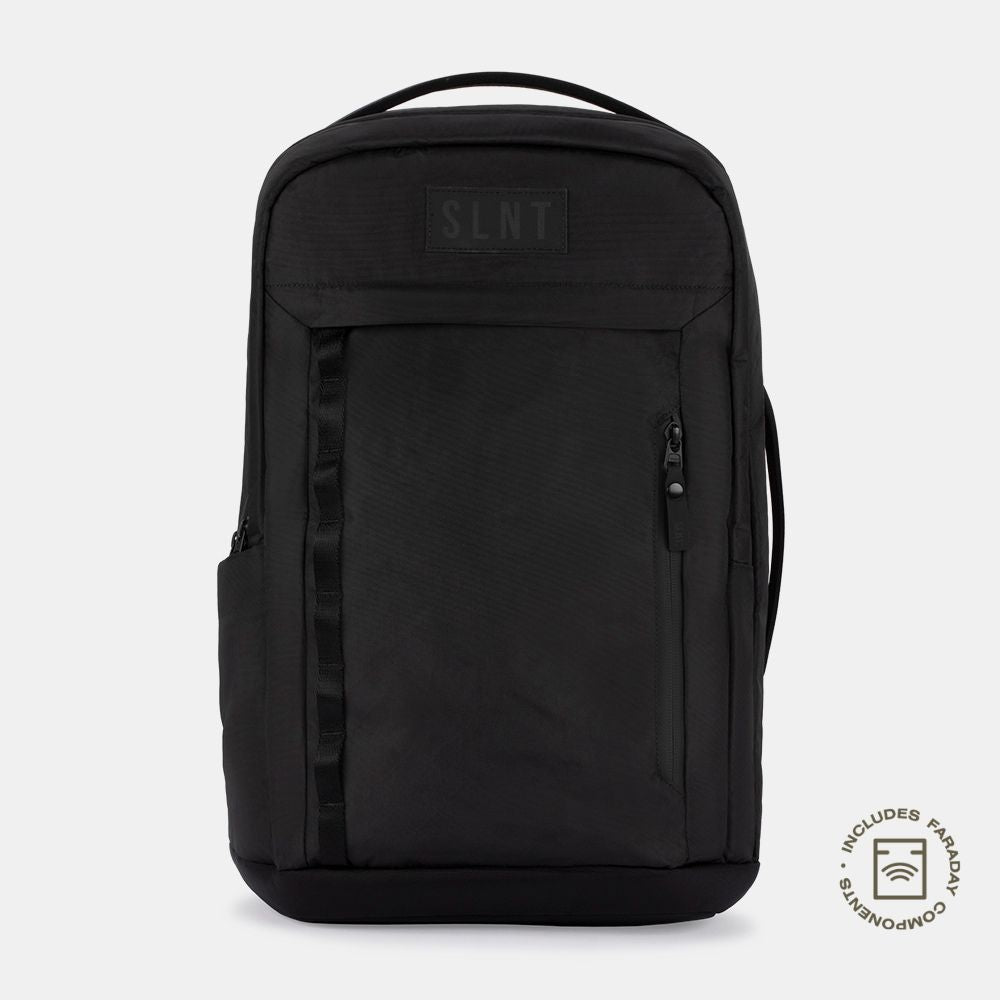
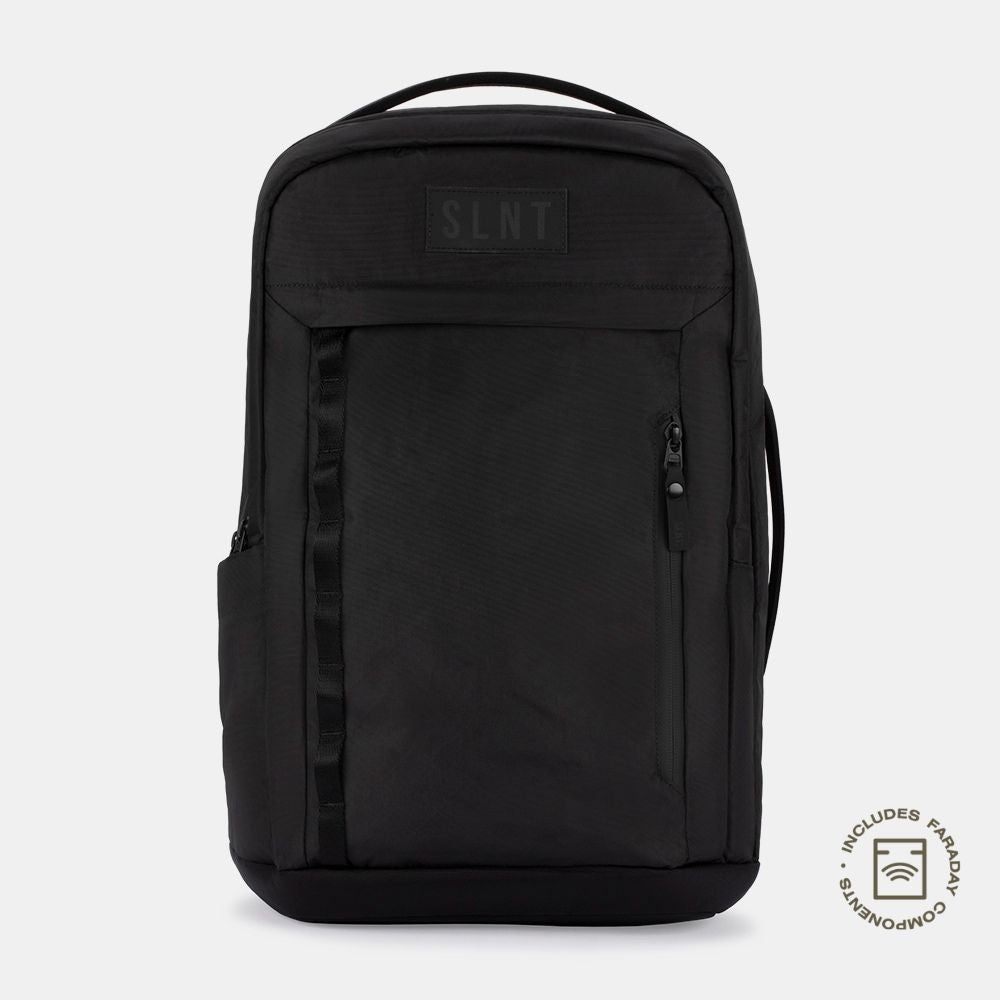
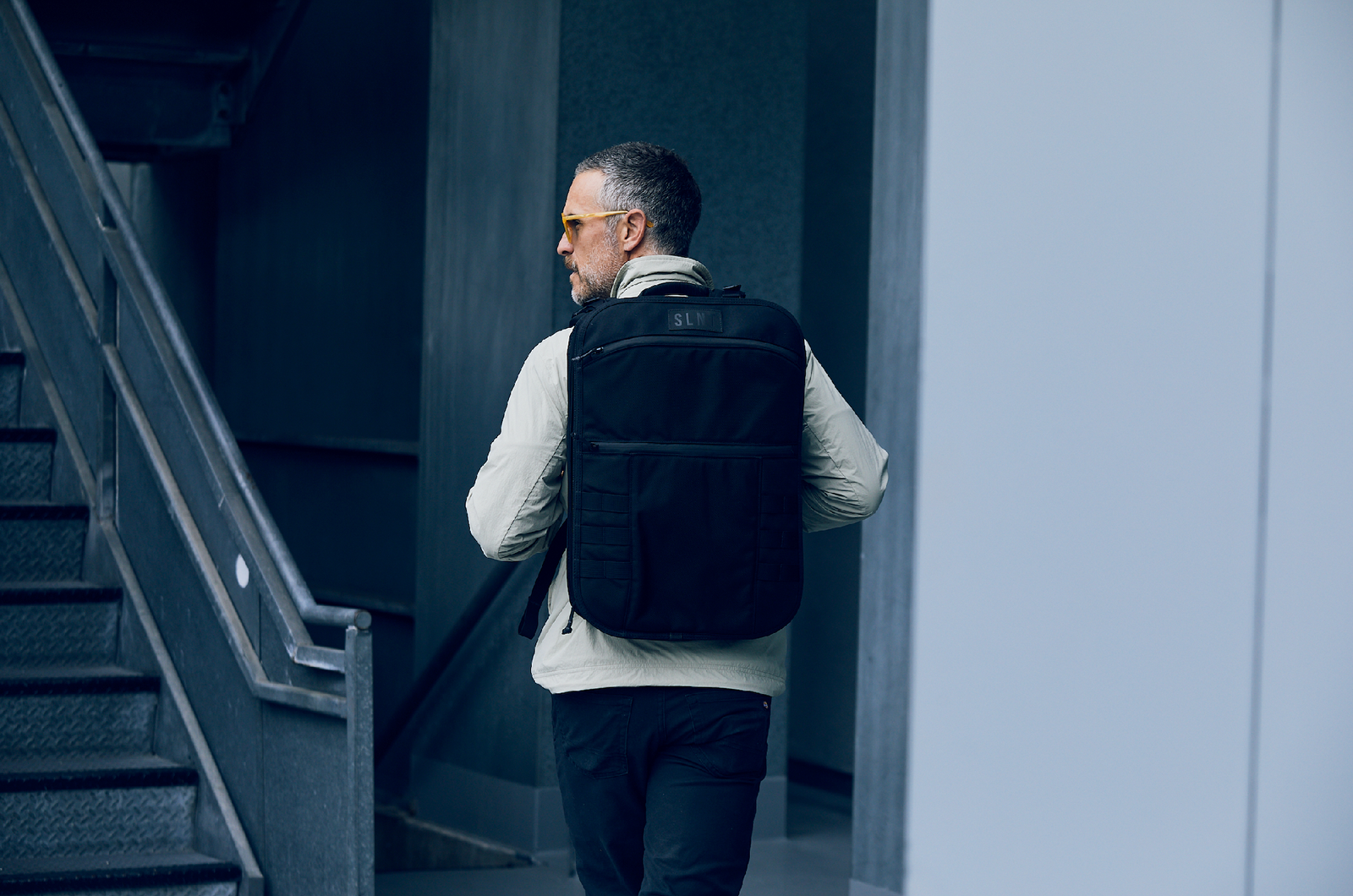
A remote worker uses a Faraday backpack during meetings and commutes. Work devices stay isolated in transit. Credentials stay contained. Focus stays intact.
A crypto holder stores hardware wallets inside a SLNT bag at home. No wireless access. No accidental exposure. Custody stays physical and deliberate.
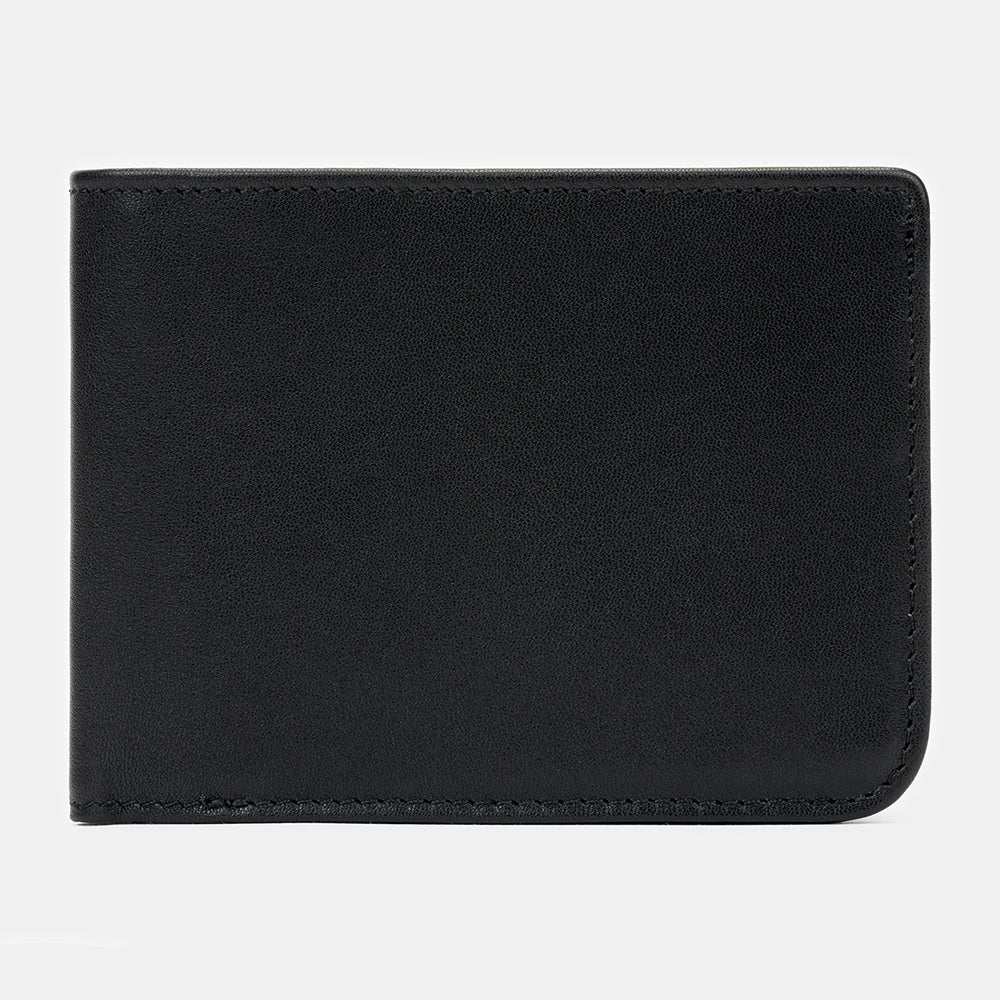
A daily commuter keeps a Faraday wallet in a jacket pocket. Contactless cards stay unreadable unless intentionally removed. Skimming risk disappears into the background.
None of these moments are dramatic. That’s the point. Privacy works best when it’s boring, consistent, and built into the day.
Why it matters
Privacy isn’t about hiding. It’s about autonomy.
When devices constantly transmit, they shape behavior, where you go, what you see, how you move. Turning signals off, even temporarily, restores margin. Mental clarity. Operational awareness. Control.
For some users, reduced wireless exposure is a secondary benefit. Faraday protection reduces EMF exposureonly when devices are shielded. It’s not a medical claim. It’s a practical outcome of stopping transmission.
SLNT gear doesn’t promise invisibility. It delivers boundaries.
Credibility, without the noise
-
Patented Faraday construction designed for consistent signal blocking
-
Independently tested performance
-
Originally built for military and operational use, now adopted in everyday life
If you want a neutral explanation of how Faraday shielding works at a scientific level, the National Institute of Standards and Technology provides a clear overview of electromagnetic shielding principles.
The bottom line
Every SLNT customer story points to the same result: control feels better than constant connection.
You don’t need to disappear. You don’t need to panic. You just need tools that let you decide when your devices speak and when they stay quiet.
That’s how you silence the chaos.