Faraday protection for first responders: real-world use cases

Every first responder carries a radio, a phone, and a responsibility to show up fast and stay sharp. What most people don’t see is the invisible trail those devices leave behind: signals broadcasting location, movement, and data whether you want them to or not.
The Problem
Modern emergency response runs on connectivity. Smartphones, tablets, body cams, key fobs, and laptops are always transmitting. Cellular pings. Bluetooth handshakes. GPS updates. RFID scans.
For first responders, that constant signal traffic creates real exposure:
-
Location tracking during sensitive calls or movements
-
Credential and data leakage from seized or unattended devices
-
Wireless contamination of evidence
-
Unintentional signal emissions inside vehicles, stations, or command posts
Software settings help, but they don’t solve the core issue. As long as a device can transmit, it can leak data. Airplane mode fails. Permissions change. Updates reset controls. The risk stays active.
The Solution
Faraday protection shuts the door at the hardware level.
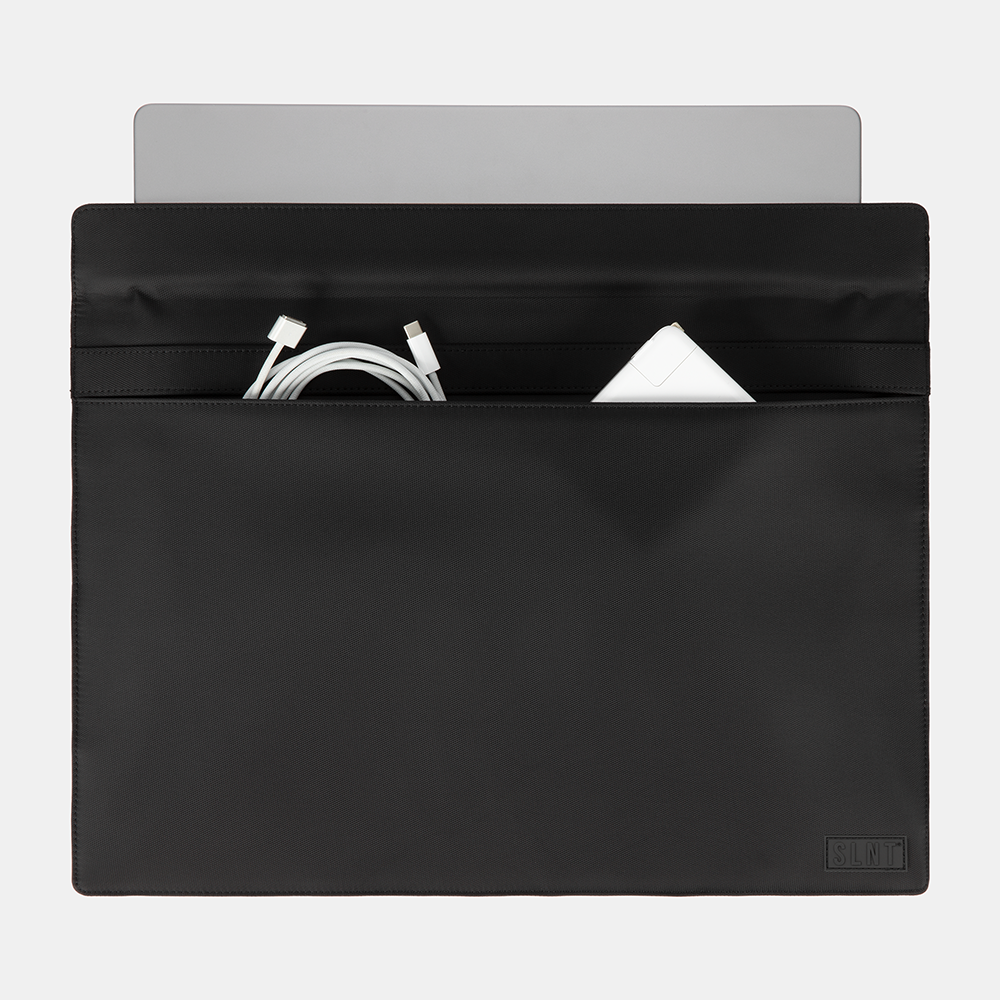
A Faraday enclosure physically blocks wireless signals: cellular, WiFi, Bluetooth, GPS, RFID, and NFC, from entering or leaving a device. No signal in. No signal out. No settings required.
This is not encryption. It’s not an app. It’s physical signal enforcement.
SLNT builds patented Faraday gear originally developed for military and special operations use and independently tested for real-world signal blocking performance.
How First Responders Use Faraday Gear in the Real World
In daily operations, Faraday protection fits quietly into routines without changing how teams work.
A phone goes into a Faraday sleeve during transport to prevent location broadcasting while moving between calls. No settings to remember. No mistakes under stress.
Confiscated or recovered devices are placed into a Faraday bag to prevent remote wiping, tracking, or data tampering before evidence processing. Signal isolation preserves integrity from the moment of capture.
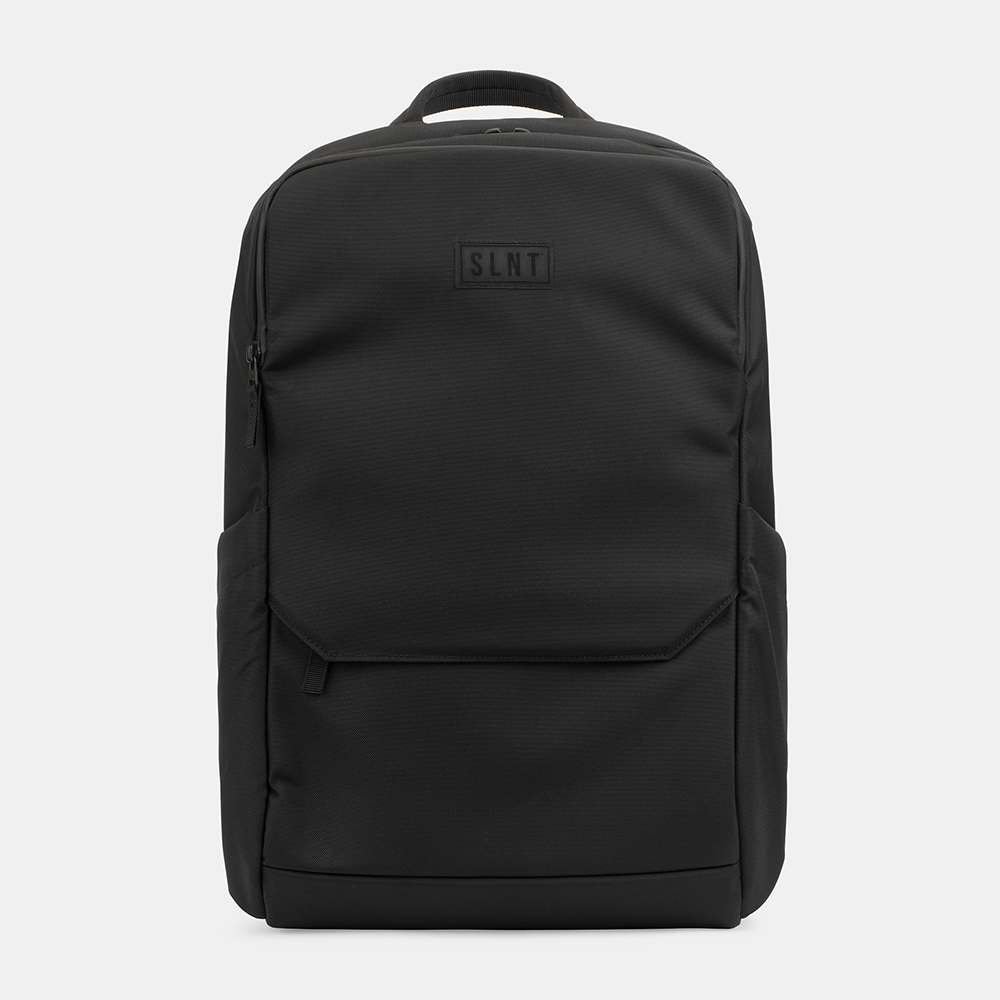
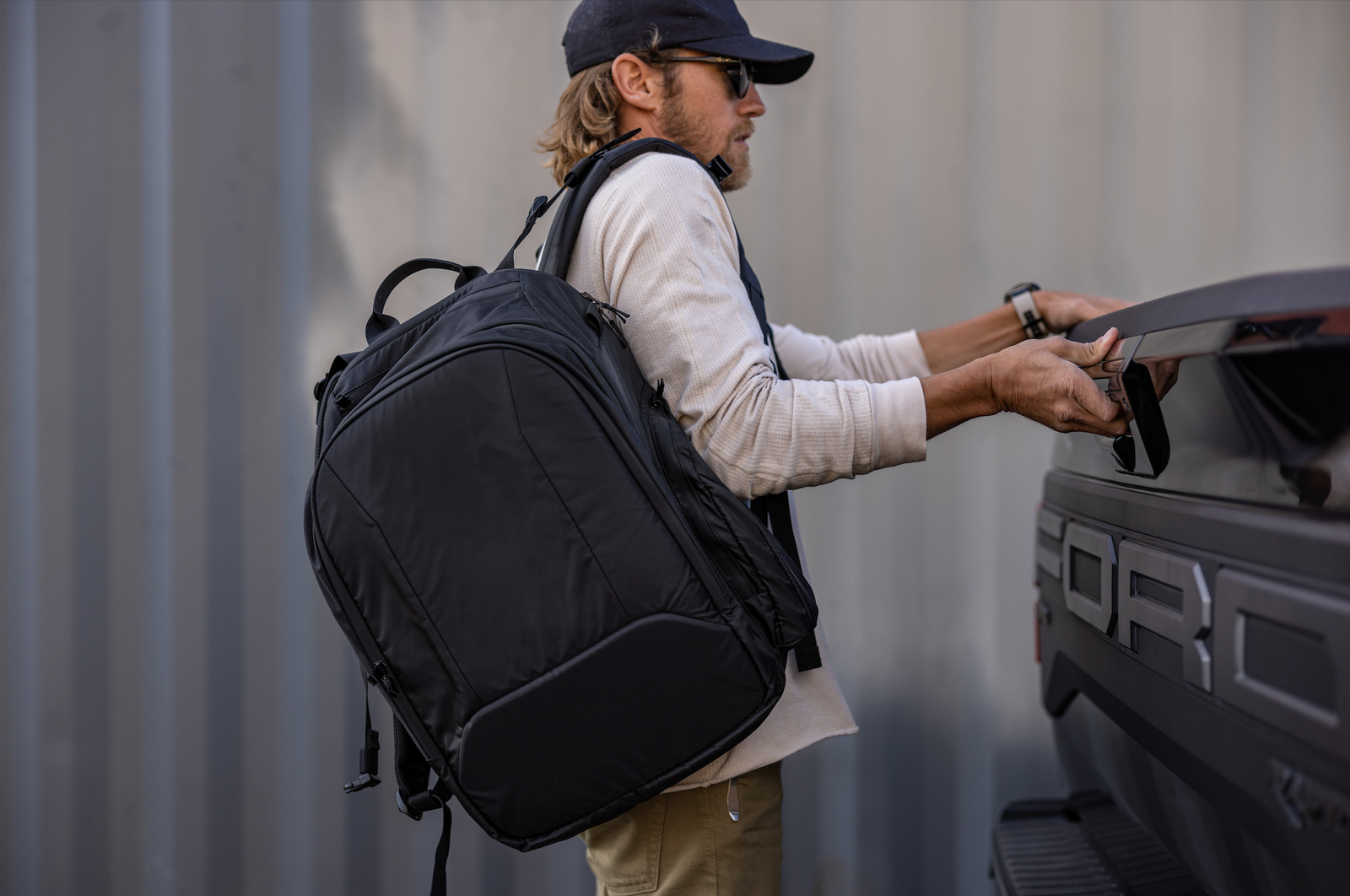
Inside vehicles,Faraday backpacks or utility bags contain spare phones, tablets, or digital equipment so they aren’t pinging towers or Bluetooth systems while parked at scenes or staging areas.
At stations or command centers, Faraday storage prevents unused devices from continuously scanning nearby networks or broadcasting metadata, reducing background exposure across the workspace.
During travel, training, or off-duty hours, personal phones stored in compact Faraday sleeves give responders control over when they are reachable and when they are truly offline.
For teams handling access cards, key fobs, or credentials,Faraday wallets and pouches block RFID and NFC signals to prevent skimming or relay attacks during transit or storage.
None of this is dramatic. It’s practical signal discipline applied to modern life.
Why It Matters
Privacy for first responders isn’t about secrecy. It’s aboutcontrol.
Control over when a device talks.
Control over what data moves.
Control over operational boundaries.
When signals are unmanaged, devices decide for you. When signals are contained, you decide.
SLNT® gear is used because it works quietly, consistently, and without digital complexity. Patented construction. Real-world adoption. Built for people who can’t afford guesswork.
The Bottom Line
If it’s broadcasting, it’s exposed.
First responders already manage risk in every direction. Digital signals should be no different. Faraday protection gives you a simple, physical way to control what your devices share and when they share it.
No panic. No paranoia. Just discipline.
If you want to understand how physical signal control fits into your routine, explore how Faraday protection works in real-world environments and take back control where it matters most.
Silence the chaos.