Why security teams issue SLNT: policies, procedures, and procurement tips


Every security policy has a weak point.
Today, it’s the phone in someone’s pocket.
Not malware. Not passwords. Not firewalls.
The device that never stops talking.
The Problem: Policy Can’t Override Physics
Modern security teams do a lot right.
They lock down software. They train people. They write policies.
But phones, tablets, laptops, key fobs, and wearables still broadcast.
Cellular.
WiFi.
Bluetooth.
GPS.
RFID and NFC.
Even when screens are off. Even in airplane mode. Even inside “secure” buildings.
That creates real exposure:
-
Location leakage during travel or sensitive meetings
-
Bluetooth and WiFi scanning inside offices
-
Credential and metadata exposure from unattended devices
-
Remote access or tampering with seized or inactive electronics
-
Compliance gaps between written policy and actual behavior
Software tools can limit risk. They cannot stop signals.
And if a device is broadcasting, it is discoverable.
The Solution: Physical Signal Enforcement
Security teams issue SLNT for one simple reason:it works at the hardware level.
Faraday protection is not a setting.
It is not an app.
It cannot be updated, bypassed, or misconfigured.
A Faraday enclosure physically blocks wireless signals from entering or leaving a device. When the device is shielded, transmission stops.
What Faraday protection does:
-
Blocks cellular, WiFi, Bluetooth, GPS, RFID, and NFC
-
Prevents wireless tracking, skimming, and remote access
-
Enforces compliance without relying on user behavior
What it does not do:
-
It doesnot stop the microphone, because the microphone is built into the device itself
-
Once removed from the bag it doesnot make devices invisible
This is why Faraday gear fits cleanly into security programs. It doesn’t replace policy. It enforces it.
Why Enterprises Use Faraday Bags
Security teams issue Faraday bags because they:
-
Physically stop wireless transmissions
-
Reduce human error in secure environments
-
Protect devices during travel, storage, and transfer
-
Support OPSEC, COMSEC, and evidence integrity
-
Require no software training or configuration
Where Faraday Gear Shows Up in Real Operations
A phone placed into a Faraday sleeve before entering a boardroom doesn’t need trust or reminders. It simply goes silent.
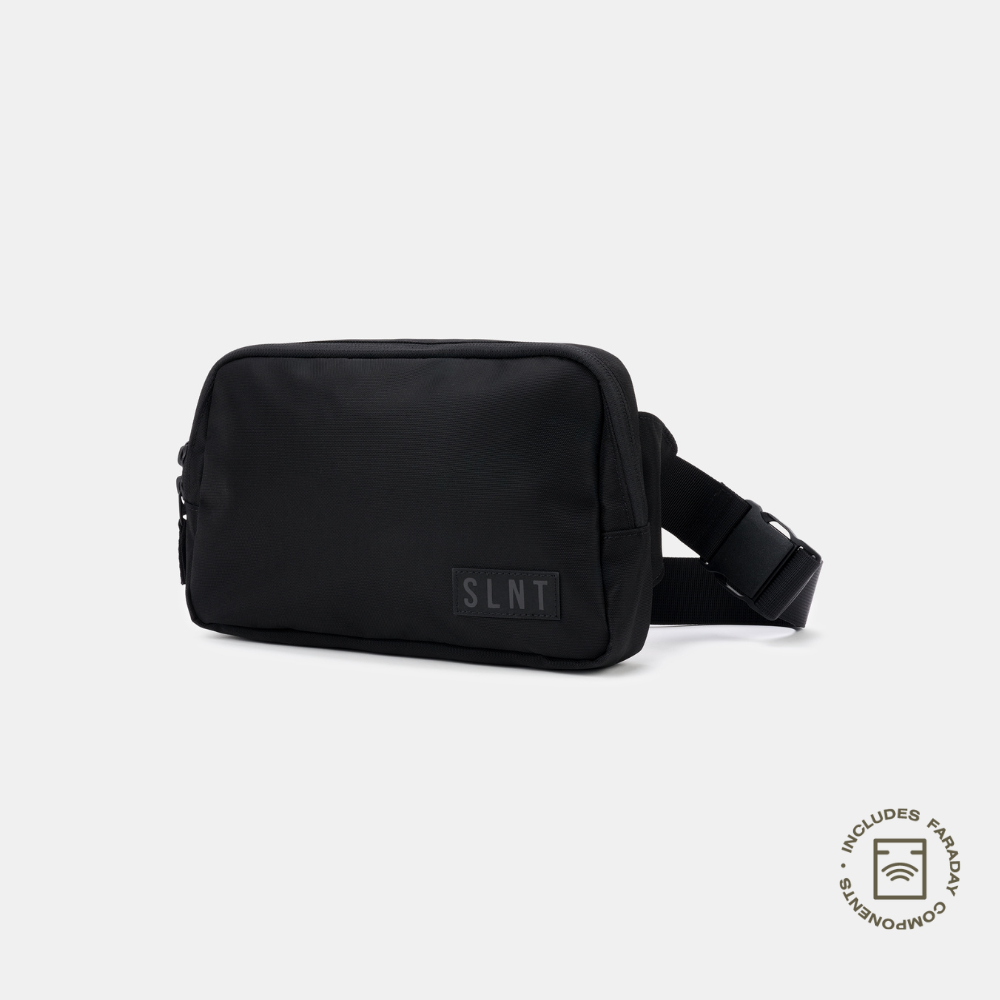
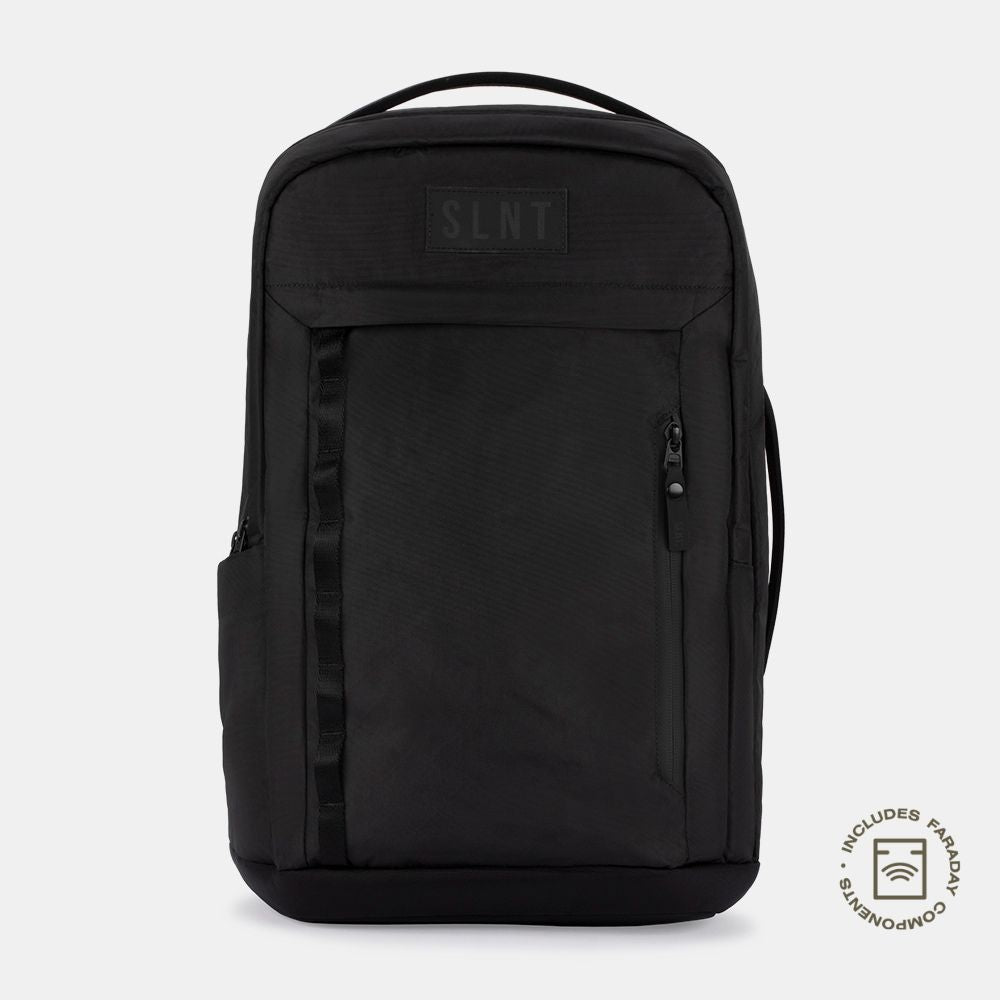
During executive travel, devices stored in Faraday backpacks stop leaking location data while moving through airports, rideshares, and hotels.
In offices with badge systems, RFID-blocking wallets and sleeves prevent credential skimming without changing how people move.
When laptops and tablets are not in use, storing them inside Faraday bags prevents background network scanning and Bluetooth probing on corporate floors.
In fleet vehicles and secure facilities, key fobs placed in small Faraday pouches eliminate relay attack risk without changing workflows.
For investigations or incident response, isolating seized devices inside Faraday enclosures preserves data integrity and prevents remote tampering.
None of this requires a policy reminder. The gear does the enforcement.
Why It Matters: Control, Not Complexity
Security breaks down at the edges.
Travel. Downtime. Transitions between spaces.
Faraday protection closes those gaps.
It gives teams:
-
Operational control when devices are not actively needed
-
Consistency across departments and roles
-
Clarity between “allowed” and “shielded” states
-
Reduced cognitive load for users and administrators
Privacy and security are not about hiding. They are about choosing when devices are allowed to speak.
For organizations that also consider EMF exposure, reduced wireless transmission while devices are stored is a secondary benefit. It is not the mission. Control is.
SLNT® gear is built withpatented Faraday technology, independently tested, and originally developed for military and government use before being adopted by enterprise teams worldwide.
Procurement Tips for Security and IT Teams
When evaluating Faraday solutions for enterprise use, focus on function over marketing.
Look for:
-
Independently verified signal blocking across cellular, WiFi, Bluetooth, GPS, RFID, and NFC
-
Documented lab testing with repeatable results, not internal demos
-
Consistent shielding performance across seams, closures, and access points
-
Purpose built options that scale from phones to laptops to mission critical accessories
-
Evidence of real world adoption by military, government, or enterprise teams
Avoid:
-
Products labeled as “privacy” tools that rely on apps, software, or coatings
-
Unverified pouches that only block in ideal conditions
-
Gear that requires setup, configuration, or user behavior to be effective
Faraday protection should be decisive.
Predictable.
Reliable.
It should work every time, without thought, without setup, without compromise.
The Bottom Line
Security teams issue SLNT because it removes ambiguity.
When a device is shielded, it is silent.
No signals. No exceptions. No reminders.
That is what enforceable privacy looks like.
Control doesn’t come from more rules.
It comes from tools that make the right behavior automatic.
That’s how you silence the chaos.
If you’re evaluating physical signal control for your organization, start by understanding where wireless exposure actually occurs—and where hardware-level protection fits naturally into existing policy.