SLNT for Schools: Classroom Phone Control and Student Privacy Programs

A classroom can go silent, but a phone never does.
Even when it’s face-down, “off,” or tucked in a backpack, it’s still pinging towers, scanning WiFi, and feeding data to apps students don’t even remember downloading.
For schools trying to protect learning timeand student privacy, that’s the real disruption, one you can’t solve with a basket full of phones.
The Problem Schools Are Actually Facing
Phones create two issues in classrooms. One everyone sees, and one most people don’t.
1. Distraction
Notifications, social apps, and constant micro-hits of dopamine. Teachers spend half their energy redirecting attention instead of teaching.
2. Data Exposure
Less visible, more serious. Modern phones are always transmitting:
-
Cellular and WiFi signals that reveal location
-
Bluetooth scans that identify nearby devices
-
App telemetry that logs behavior, search patterns, and movement
-
Background connections to ads, trackers, and third-party data brokers
Turning off the screen doesn’t stop that. Airplane mode doesn’t stop that. And any device sitting “idle” in a backpack is still part of the digital exhaust trail students leave behind every day.
Schools want two things: controlled classrooms and protected students.
Right now, they’re getting neither.
The Physical Fix Schools Haven’t Used Yet
Software solutions only go so far. Filtered internet, strict device policies, limits on apps, each helps, but none blocks the problem at its source.
A Faraday enclosure does.
SLNT® Faraday sleeves and bags create a hardware-level barrier that physically blocks:
-
Cellular
-
WiFi
-
Bluetooth
-
GPS
-
RFID/NFC
When a phone or tablet goes inside, it stops transmitting. No signal means no data leakage, no background tracking, no classroom disruptions, and no remote access.
This isn’t an app.
It’s not a setting.
It’s physics, independently testable, repeatable, and reliable. SLNT’s patented shielding technology was built for Special Operations long before schools considered using it in education programs.
Important compliance note: Faraday protectiondoes not stop the device microphone. The microphone is built into the phone and is unaffected. The Faraday enclosure stops thetransmission of data, not the internal recording hardware.
How This Works in Schools
This isn’t about punishment. It’s about clarity, structure, and privacy.
Here’s how schools naturally integrate Faraday protection into their daily flow:
Classroom learning periods
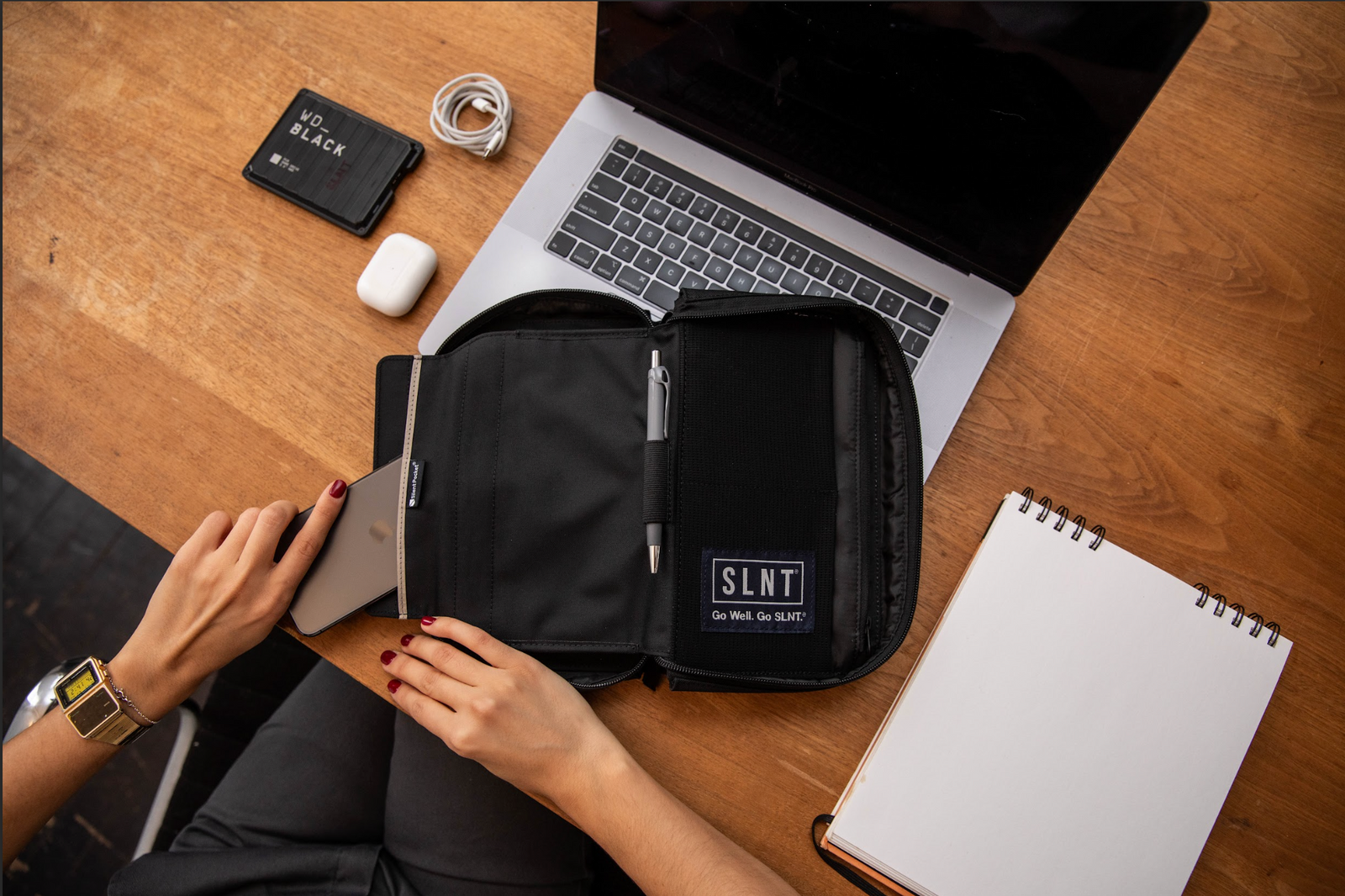
Teachers start the period with a simple routine: students drop devices into SLNT Faraday sleeves. Signals shut off instantly. No buzzing. No sneaking. No unapproved internet access. No distractions.
Testing environments
Phones inside SLNT sleeves remove the risk of location-tracking, cheating apps, or background transmissions. A clean testing environment becomes a consistent standard, not a hope.
Student privacy initiatives
Some districts are adopting “digital quiet zones.” Faraday protection ensures student data isn’t harvested during school hours. Apps can’t collect behavior patterns while the phone is sealed.
After-school programs and athletics
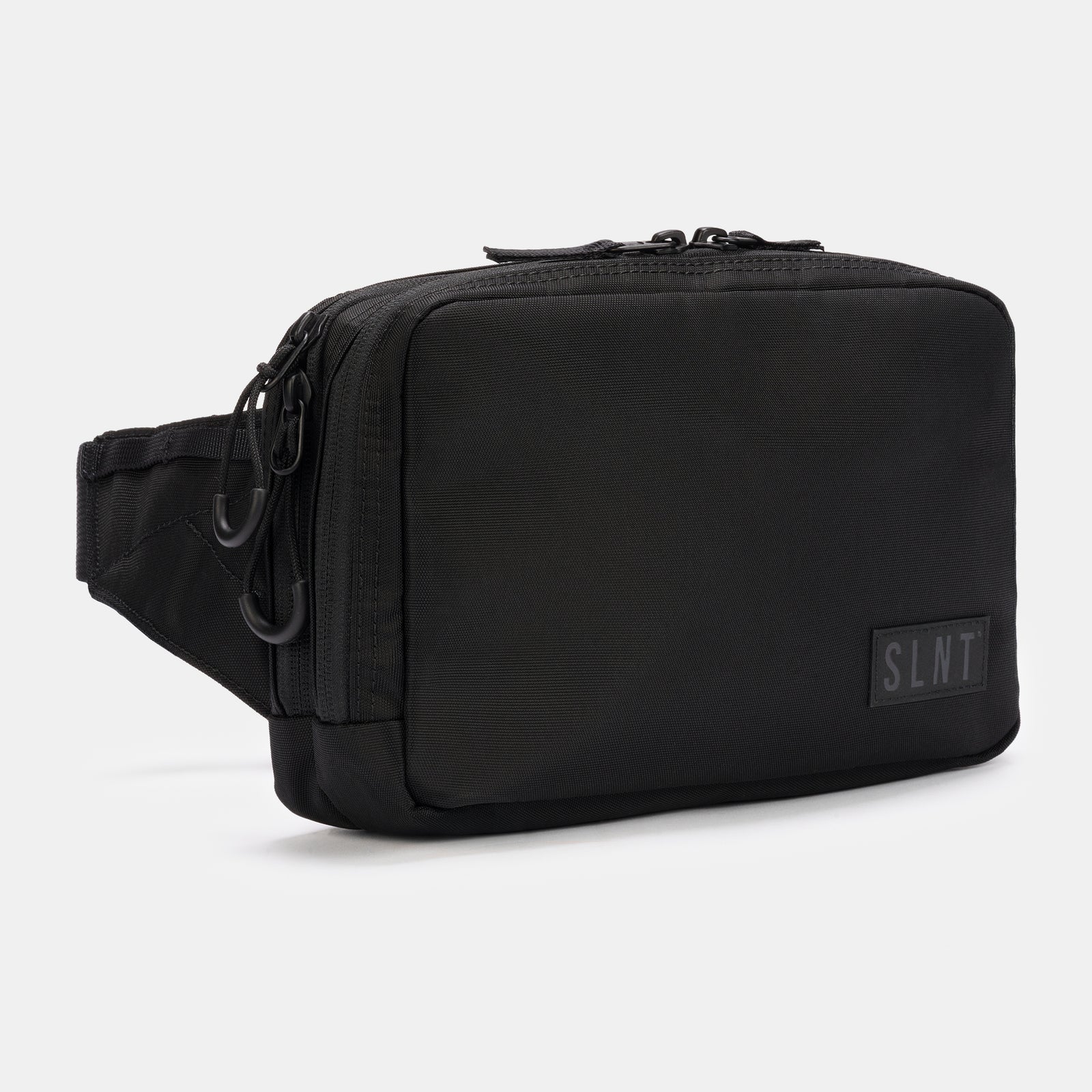
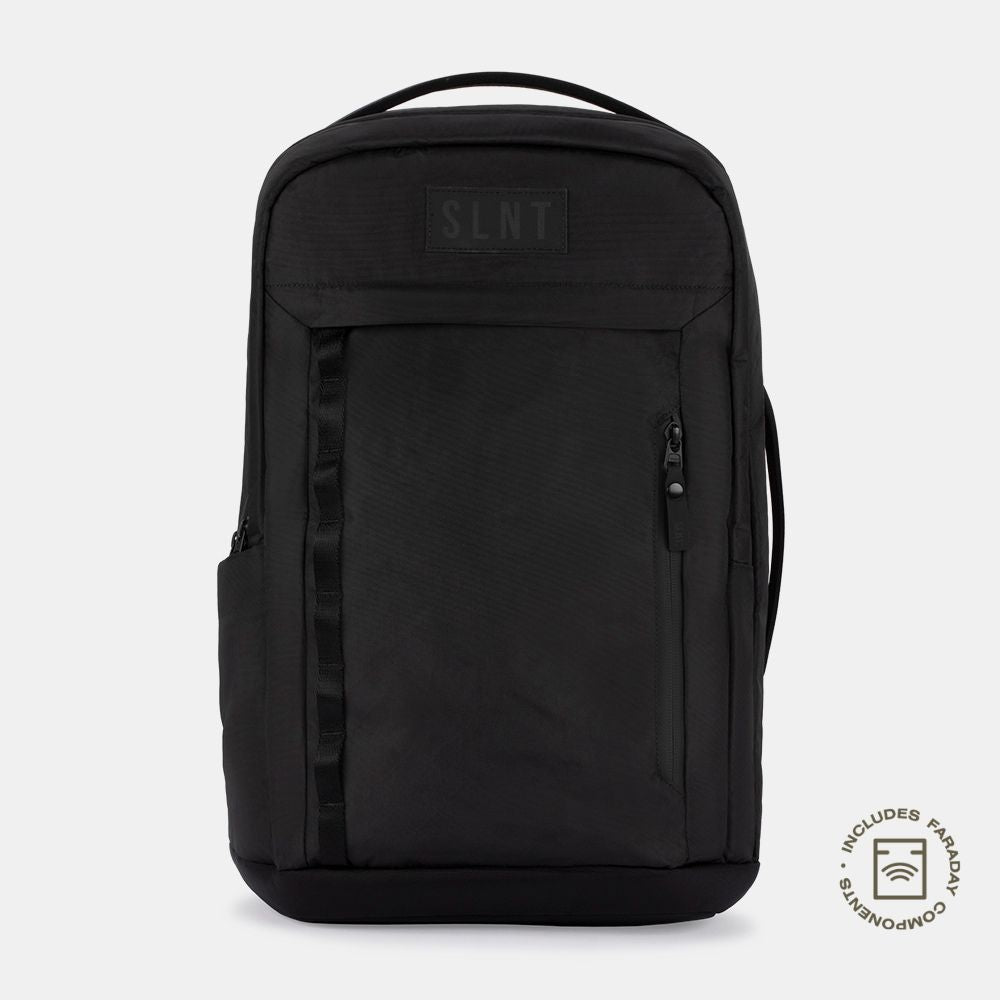
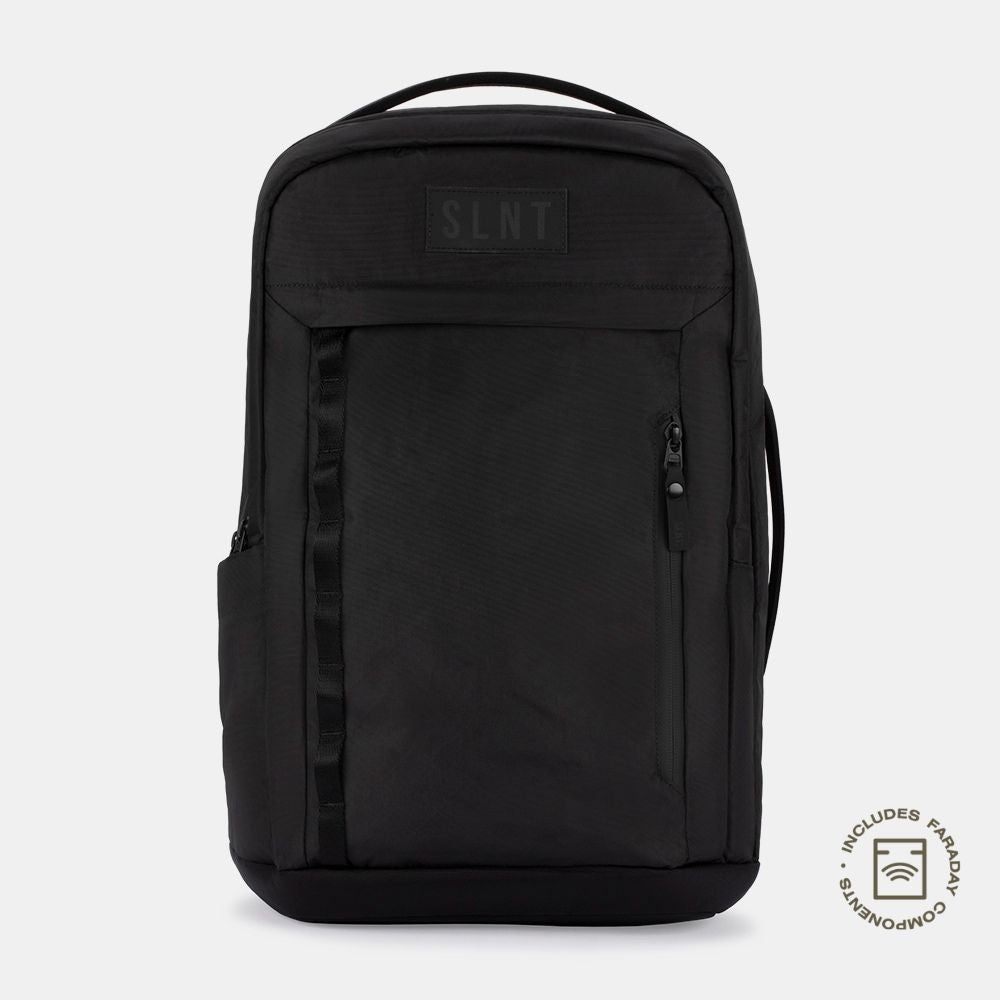
Coaches and supervisors lean on Faraday backpacks and slings to secure multiple devices at once, especially during travel, competition, and bus rides.
Visitor and staff device control
Front offices use SLNT utility bags as temporary check-in stations for guests, contractors, or staff entering sensitive zones.
Transportation and field trips
Faraday sleeves stop devices from constantly searching for towers during long drives, reducing both distraction and background data transmission.
Every example ties back to one thing: a controlled, predictable learning environment that also protects student digital autonomy.
Why This Matters Now
Privacy isn’t a luxury for adults. Students are building digital identities every day, often without realizing it.
1. Digital Autonomy
When a phone is sealed, it stops feeding data to systems that build profiles on kids before they’re old enough to understand the trade-offs.
2. Safety and Boundaries
A classroom without constant digital noise gives students space to focus, interact, and develop attention skills schools say are declining.
3. Institutional Responsibility
Schools are being held to higher standards in data protection. Blocking wireless signals prevents a major category of passive data exposure.
4. Mental Clarity
A quieter digital environment helps students come back to the real world, something teachers have been asking for since smartphones hit campus.
5. EMF Exposure Reduction (secondary benefit)
When devices are sealed inside a Faraday enclosure, unnecessary wireless emissions are reduced. This is not a health claim, just an exposure reduction grounded in physics and aligned with SLNT’s approach.
Credibility, not hype
SLNT’s Faraday technology is patented, independently tested, and originally created for use in military operations where signal control is mission-critical. Now it’s adaptable for education, precise, predictable, and simple.
What Is a School Phone Control Program?
A school phone control program is a structured system that limits student device access during class by using physical or policy-based tools to reduce distractions and protect student privacy. Effective programs include:
-
A consistent storage method
-
A way to stop wireless signals
-
Clear student expectations
-
Transparent privacy guidelines
-
Procedures for testing, emergencies, and field trips
The Bottom Line
Schools don’t need more rules.
They need tools that enforce the boundaries they already set.
Faraday protection gives educators a simple, repeatable way to keep classrooms focused and student data shielded, not by controlling kids, but by controlling signals.
This is how schools reclaim calm, clarity, and authority over their learning environments.
Take back control. Silence the chaos®.
If your school or district is exploring phone-free classrooms or student privacy initiatives, start by understanding how physical signal protection works. Faraday gear gives you a practical, hardware-level layer of control that policies and apps can’t match.
Schools can learn more or request support here:https://slnt.com/pages/schools